THE ADVENTURE COLLECTIVE® · Independent discovery and booking for outdoor travel

Experience pure crack climbing on Indian Creek’s famous sandstone splitters. This guided day focuses on jamming, gear placement, and multi-pitch movement in one of Utah’s most technical climbing arenas.
Experience pure crack climbing on Indian Creek’s famous sandstone splitters. This guided day focuses on jamming, gear placement, and multi-pitch movement in one of Utah’s most technical climbing arenas.
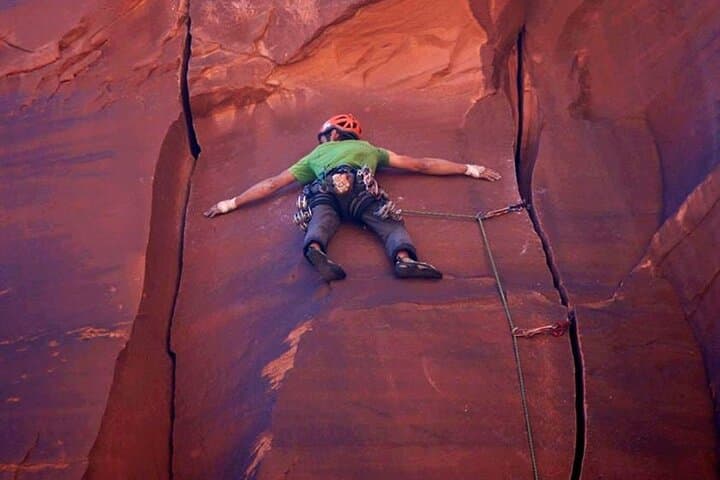
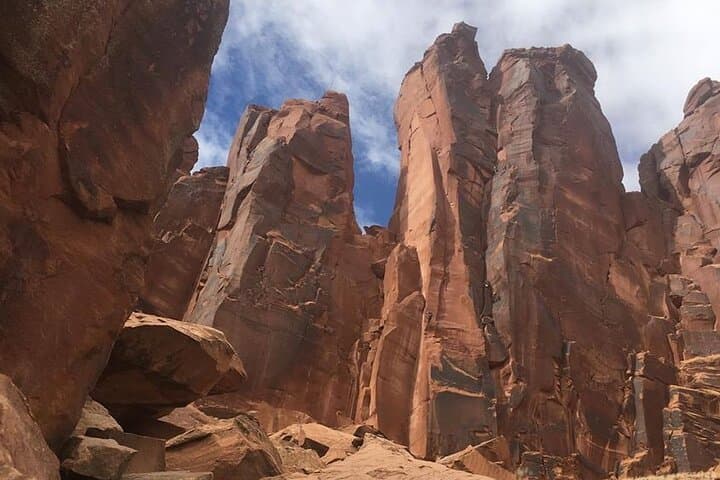
The canyon air is dry and sharp; sandstone walls rise in continuous, vertical seams that invite a different kind of conversation between hands and rock. At Indian Creek the climbing is honest—pure crack lines where jamming, body position, and patience decide the outcome. Guides set anchors, demo techniques, and read the line while the creek’s narrow canyon channels wind and light around climbers.
Verified experiences and guided adventures in the surrounding area.
Operated by Canyon Country Adventures - Moab · Monticello, Utah
The canyon air is dry and sharp; sandstone walls rise in continuous, vertical seams that invite a different kind of conversation between hands and rock. At Indian Creek the climbing is honest—pure crack lines where jamming, body position, and patience decide the outcome. Guides set anchors, demo techniques, and read the line while the creek’s narrow canyon channels wind and light around climbers.
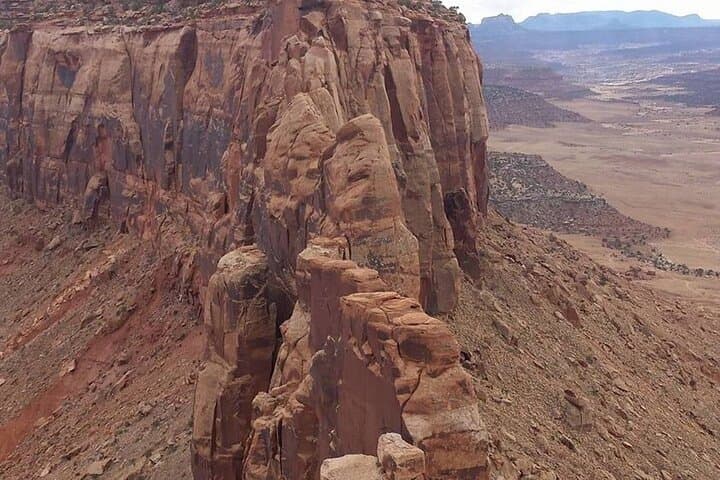
Geologically, Indian Creek is a southwest Utah product of Cedar Mesa Sandstone—well-cemented, clean faces cut by long, parallel cracks formed as the rock flexed and split. Culturally the area sits within the traditional lands of the Ute and Pueblo peoples and now lives under federal multiple-use management; climbers share access with campers, hikers, and local ranching history visible in old roads and fence lines.
Expect mostly single-pitch to short multi-pitch routes focused on hands- and off-width crack technique; routes range from low-angle splitter jams to intimidating wide cracks that reward learned movement. Approaches are short but across hot, sandy desert terrain and limited shade. Guides tailor pitches to ability—covering jamming, footwork, removable gear placement, anchors, and rope management.
Practical guide: start early to avoid heat, carry 3–4 liters of water, use durable crampon-like crack gloves or tape, and wear sticky climbing shoes that double as approach shoes. Weather swings quickly—sun protection and a lightweight insulating layer are essential. If new to trad climbing, a guided day here accelerates skill development while keeping safety the priority.
challenging.
6–8 hours.
Should have moderate to strong cardiovascular fitness and upper-body endurance; comfortable with sustained exposure and ropework.
No—guided days are tailored to ability; beginners learn fundamentals, though a moderate fitness level is required.
Yes—professional instruction and all climbing gear are included, but bring personal items like sunscreen, water, and snacks.
Spring and fall offer the most comfortable temperatures; summer is very hot and winter can be cold with occasional snow or ice on approaches.
Access is via dirt roads and the area is remote—expect limited or no cell service and plan logistics in advance.
Indian Creek’s sandstone belongs to the Cedar Mesa formation; the region is within lands historically used by Ute and Puebloan peoples and later by ranchers and early road builders.
Climbers should minimize chalk use, stay on durable surfaces, pack out all waste, and follow Leave No Trace principles to protect fragile desert soils and cryptobiotic crusts.
Canyon Country Adventures - Moab operates guided outdoor trips and adventures with an emphasis on safety, stewardship, and memorable experiences.
The canyon air is dry and sharp; sandstone walls rise in continuous, vertical seams that invite a different kind of conversation between hands and rock. At Indian Creek the climbing is honest—pure crack lines where jamming, body position, and patience decide the outcome. Guides set anchors, demo techniques, and read the line while the creek’s narrow canyon channels wind and light around climbers.
The canyon air is dry and sharp; sandstone walls rise in continuous, vertical seams that invite a different kind of conversation between hands and rock. At Indian Creek the climbing is honest—pure crack lines where jamming, body position, and patience decide the outcome. Guides set anchors, demo techniques, and read the line while the creek’s narrow canyon channels wind and light around climbers.
Geologically, Indian Creek is a southwest Utah product of Cedar Mesa Sandstone—well-cemented, clean faces cut by long, parallel cracks formed as the rock flexed and split. Culturally the area sits within the traditional lands of the Ute and Pueblo peoples and now lives under federal multiple-use management; climbers share access with campers, hikers, and local ranching history visible in old roads and fence lines.
Expect mostly single-pitch to short multi-pitch routes focused on hands- and off-width crack technique; routes range from low-angle splitter jams to intimidating wide cracks that reward learned movement. Approaches are short but across hot, sandy desert terrain and limited shade. Guides tailor pitches to ability—covering jamming, footwork, removable gear placement, anchors, and rope management.
Practical guide: start early to avoid heat, carry 3–4 liters of water, use durable crampon-like crack gloves or tape, and wear sticky climbing shoes that double as approach shoes. Weather swings quickly—sun protection and a lightweight insulating layer are essential. If new to trad climbing, a guided day here accelerates skill development while keeping safety the priority.