THE ADVENTURE COLLECTIVE® · Independent discovery and booking for outdoor travel

A compact six-day circuit through New Delhi, Agra and Jaipur that pairs sunrise at the Taj Mahal with street-food tours, royal palaces and local encounters. Practical pacing and guided logistics make it a strong choice for first-time India visitors.
A compact six-day circuit through New Delhi, Agra and Jaipur that pairs sunrise at the Taj Mahal with street-food tours, royal palaces and local encounters. Practical pacing and guided logistics make it a strong choice for first-time India visitors.
Morning light spills across Connaught Place as the group piles into a van — rickshaws honk, chai steam curls, and a local guide sketches the route on a well-worn map.
Verified experiences and guided adventures in the surrounding area.
Operated by One Life Adventures · New Delhi, Delhi
Morning light spills across Connaught Place as the group piles into a van — rickshaws honk, chai steam curls, and a local guide sketches the route on a well-worn map.
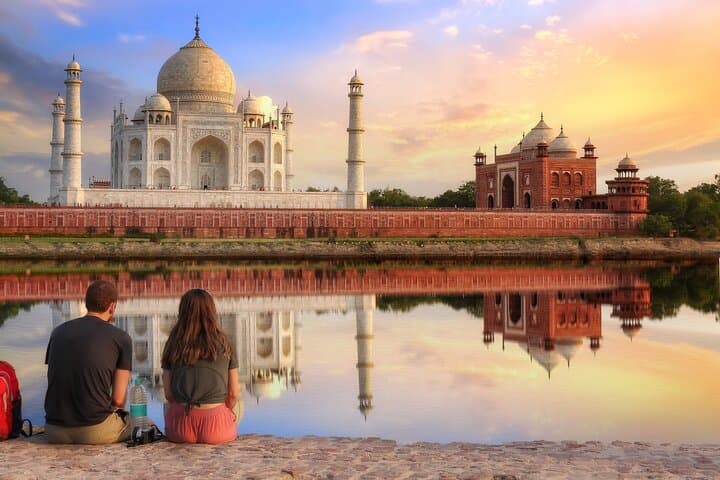
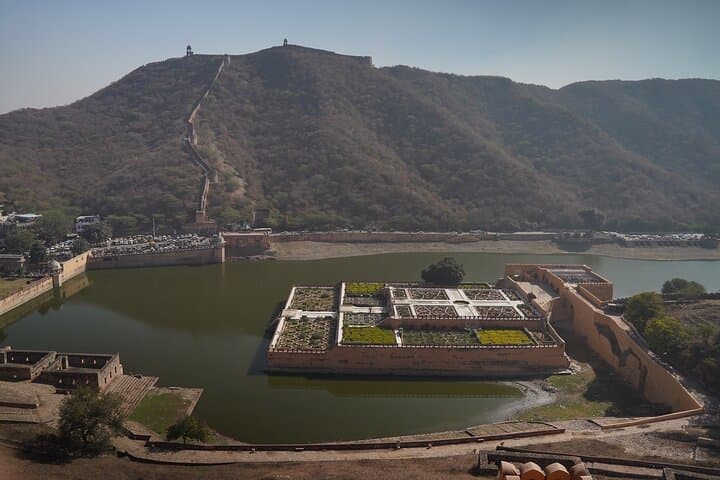
Over six days this compact circuit threads Delhi’s chaotic bazaars, Agra’s perfect mausoleum and Jaipur’s pink sandstone facades. History arrives first as the Mughal-era Taj Mahal, its white marble catching sunrise in quiet pools; geology and material choices matter here — the Taj’s riverbank sits on alluvial flats of the Yamuna, while Jaipur’s buildings showcase locally quarried sandstone carved into lattice windows and wind-palaces.
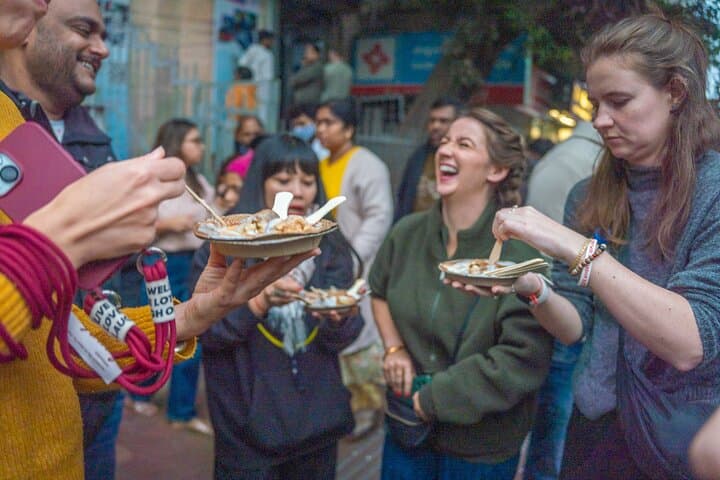
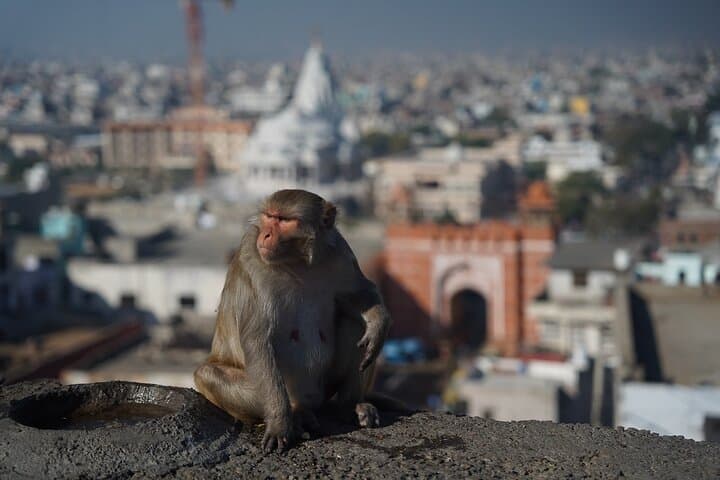
Culture is layered: a Sikh langar in Delhi reveals community kitchens feeding thousands, Chandni Chowk offers a sensory lesson in spice, and Galta-Ji’s monkey colony provides up-close wildlife encounters amid hilltop shrines. Evenings vary from rooftop dinners to a Bollywood screening, giving a genuine cross-section of modern and historic India.
Practical side: expect early starts (sunrise at the Taj), moderate walking across uneven stone and steps, and a mix of transport — short trains or 3–4 hour road transfers between cities. Carry local cash for markets, modest clothing for religious sites, and lightweight layers for cooler mornings. Hydration is essential; plan for spicy fare and fast-moving crowds.
This tour is immersive without being strenuous — it’s best for travelers who want concentrated cultural discovery paired with manageable daily pacing.
moderate.
6 days.
Moderate fitness—comfortable walking for 2–4 hours daily and negotiating stairs/uneven surfaces is required
Most travelers to India require a valid visa or e-Visa before arrival—check official government requirements for your nationality and apply in advance.
Days are moderate: expect several hours of walking, climbing palace steps and short transfers; no technical fitness needed but be comfortable on your feet.
Breakfasts and some meals are included; guides vet local restaurants and street-food stops—carry medication if you have strong dietary sensitivities.
Operators typically handle transfers and hotel check-ins; ask about pre- or post-tour hotel nights and luggage storage when booking.
The itinerary traces Mughal and Rajput landmarks: the Taj Mahal (17th-century Mughal mausoleum) and Jaipur, founded by Maharaja Sawai Jai Singh II in the 18th century as a planned capital.
High visitor numbers stress monuments and local ecosystems—use refillable bottles, avoid single-use plastics and follow site rules to reduce impact.
One Life Adventures operates guided outdoor trips and adventures with an emphasis on safety, stewardship, and memorable experiences.
Morning light spills across Connaught Place as the group piles into a van — rickshaws honk, chai steam curls, and a local guide sketches the route on a well-worn map.
Morning light spills across Connaught Place as the group piles into a van — rickshaws honk, chai steam curls, and a local guide sketches the route on a well-worn map.
Over six days this compact circuit threads Delhi’s chaotic bazaars, Agra’s perfect mausoleum and Jaipur’s pink sandstone facades. History arrives first as the Mughal-era Taj Mahal, its white marble catching sunrise in quiet pools; geology and material choices matter here — the Taj’s riverbank sits on alluvial flats of the Yamuna, while Jaipur’s buildings showcase locally quarried sandstone carved into lattice windows and wind-palaces.
Culture is layered: a Sikh langar in Delhi reveals community kitchens feeding thousands, Chandni Chowk offers a sensory lesson in spice, and Galta-Ji’s monkey colony provides up-close wildlife encounters amid hilltop shrines. Evenings vary from rooftop dinners to a Bollywood screening, giving a genuine cross-section of modern and historic India.
Practical side: expect early starts (sunrise at the Taj), moderate walking across uneven stone and steps, and a mix of transport — short trains or 3–4 hour road transfers between cities. Carry local cash for markets, modest clothing for religious sites, and lightweight layers for cooler mornings. Hydration is essential; plan for spicy fare and fast-moving crowds.
This tour is immersive without being strenuous — it’s best for travelers who want concentrated cultural discovery paired with manageable daily pacing.