THE ADVENTURE COLLECTIVE® · Independent discovery and booking for outdoor travel

Spend an independent half day at Stonehenge with entry and an audio guide. Explore the visitor centre, reconstructed Neolithic houses, and the stone circle at your own pace with shuttle access to the monument.
Spend an independent half day at Stonehenge with entry and an audio guide. Explore the visitor centre, reconstructed Neolithic houses, and the stone circle at your own pace with shuttle access to the monument.
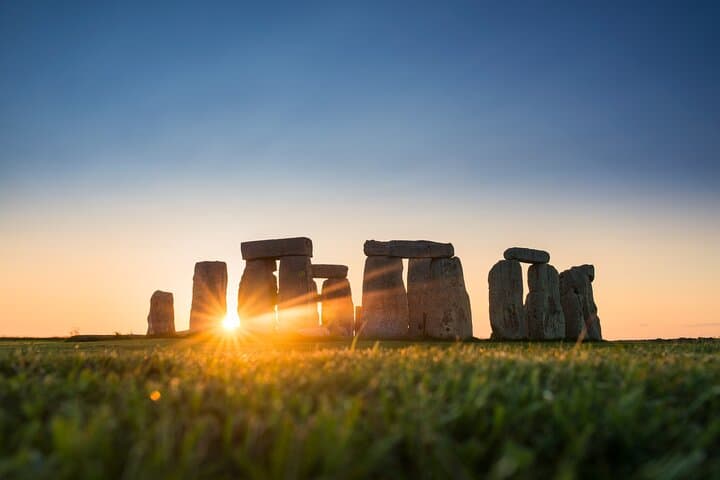
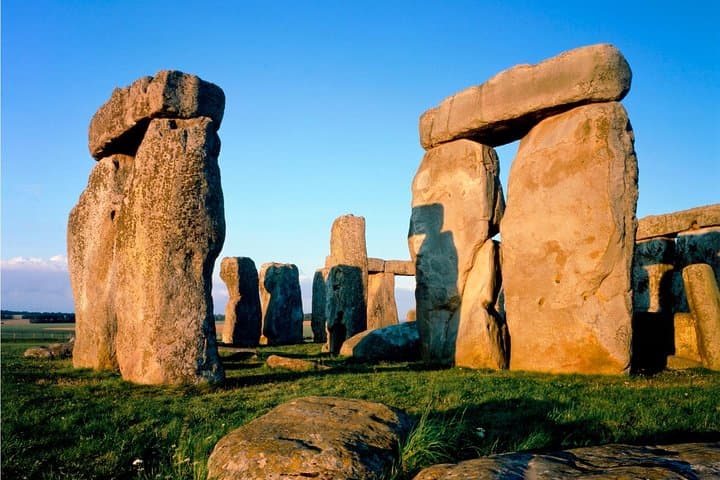
You step off a comfortable coach onto the windswept chalk of Salisbury Plain and the stones rise up like something that has been waiting specifically to change your sense of time. The air is cool, often wind-cut, and the circle’s shadows shift as clouds move — the monument feels active, not frozen.
Verified experiences and guided adventures in the surrounding area.
Operated by Evan Evans Tours · Amesbury, England
You step off a comfortable coach onto the windswept chalk of Salisbury Plain and the stones rise up like something that has been waiting specifically to change your sense of time. The air is cool, often wind-cut, and the circle’s shadows shift as clouds move — the monument feels active, not frozen.
Stonehenge is a Late Neolithic and Bronze Age complex, more than 4,500 years old. Geologically the great sarsens and smaller bluestones tell two stories: local chalk plains that supported ancient people and rock transported from distant parts of Britain. The visitor centre fills gaps with archaeology — reconstructed Neolithic houses, a 5,500-year-old burial, and interpretive displays that explain how barrows punctuate the landscape.
Culturally, Stonehenge is a public place, a UNESCO World Heritage Site and part of a living calendar for some modern communities. Expect clear signage, an audio guide to walk you through key finds, and a shuttle between the entrance and the monument that saves a steep walk across exposed ground.
Practical tips: allow the two-hour window to move slowly — read the panels, walk the perimeter, and visit the reconstructed houses. Weather is the big variable: bring a waterproof shell and sturdy shoes, and keep electronics charged for photos and the audio guide. Arrive early on busy days or take later departures to avoid peak coach clusters. Respect the site — do not touch or climb the stones; stay on designated paths to protect archaeology and chalk grassland.
easy.
6 hours (approx.).
Minimal fitness required; mostly coach travel with up to 2–3 hours of easy walking on uneven, sometimes muddy ground.
Yes — coaches and visitor facilities are wheelchair accessible; contact the operator at least seven days before travel to arrange a suitable vehicle.
The independent visit includes about two hours on site, plus time in the exhibition and reconstructed houses within the total half-day schedule.
Yes — Stonehenge provides shuttle buses between the visitor entrance and the monument; they are included with entry.
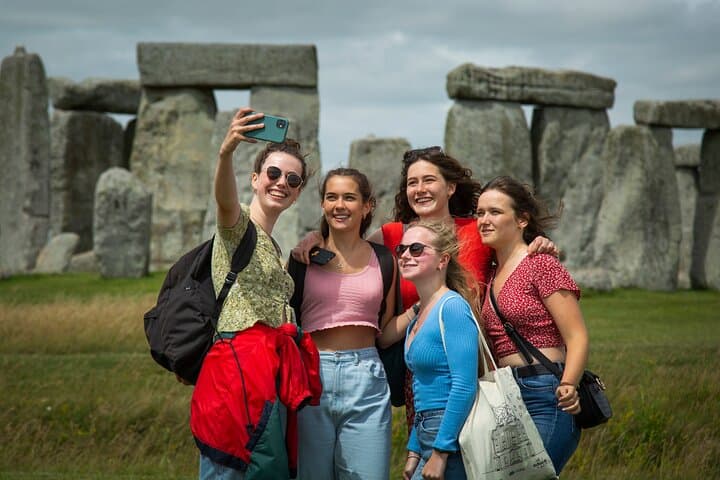
Photography is allowed, but access inside the stone circle is restricted to protect the monument; special access events are run separately on occasion.
Stonehenge sits within a landscape dense with Neolithic and Bronze Age monuments and burial mounds, reflecting centuries of ceremonial use.
The chalk grassland and archaeological deposits are fragile; staying on paths, using designated facilities, and following site rules reduce erosion and preserve finds.
Evan Evans Tours operates guided outdoor trips and adventures with an emphasis on safety, stewardship, and memorable experiences.

You step off a comfortable coach onto the windswept chalk of Salisbury Plain and the stones rise up like something that has been waiting specifically to change your sense of time. The air is cool, often wind-cut, and the circle’s shadows shift as clouds move — the monument feels active, not frozen.
You step off a comfortable coach onto the windswept chalk of Salisbury Plain and the stones rise up like something that has been waiting specifically to change your sense of time. The air is cool, often wind-cut, and the circle’s shadows shift as clouds move — the monument feels active, not frozen.
Stonehenge is a Late Neolithic and Bronze Age complex, more than 4,500 years old. Geologically the great sarsens and smaller bluestones tell two stories: local chalk plains that supported ancient people and rock transported from distant parts of Britain. The visitor centre fills gaps with archaeology — reconstructed Neolithic houses, a 5,500-year-old burial, and interpretive displays that explain how barrows punctuate the landscape.
Culturally, Stonehenge is a public place, a UNESCO World Heritage Site and part of a living calendar for some modern communities. Expect clear signage, an audio guide to walk you through key finds, and a shuttle between the entrance and the monument that saves a steep walk across exposed ground.
Practical tips: allow the two-hour window to move slowly — read the panels, walk the perimeter, and visit the reconstructed houses. Weather is the big variable: bring a waterproof shell and sturdy shoes, and keep electronics charged for photos and the audio guide. Arrive early on busy days or take later departures to avoid peak coach clusters. Respect the site — do not touch or climb the stones; stay on designated paths to protect archaeology and chalk grassland.