THE ADVENTURE COLLECTIVE® · Independent discovery and booking for outdoor travel

Cross the Mycale Strait for a day on Samos: seven hours roaming Pythagoreion, the Heraion and the Eupalinian aqueduct. This independent ferry trip from Kusadasi gives practical access to Samos’s best antiquities and coastal charm.
Cross the Mycale Strait for a day on Samos: seven hours roaming Pythagoreion, the Heraion and the Eupalinian aqueduct. This independent ferry trip from Kusadasi gives practical access to Samos’s best antiquities and coastal charm.
A salt-scented morning in Kusadasi, the harbor busy with ferries, sets the tone: you step aboard for a 30–60 minute crossing across the narrow Mycale Strait and land on Samos with tide-swept stone quays and a slow, sunlit pace. The port of Pythagoreion unfolds with whitewashed houses, fishermen mending nets, and the first glimpses of the island’s layered past.
Verified experiences and guided adventures in the surrounding area.
Operated by Arbek Travel · Pythagoreio, North Aegean
A salt-scented morning in Kusadasi, the harbor busy with ferries, sets the tone: you step aboard for a 30–60 minute crossing across the narrow Mycale Strait and land on Samos with tide-swept stone quays and a slow, sunlit pace. The port of Pythagoreion unfolds with whitewashed houses, fishermen mending nets, and the first glimpses of the island’s layered past.
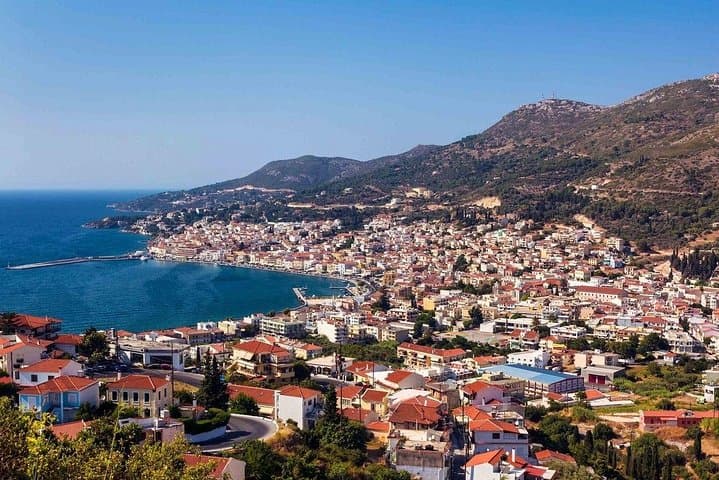
Samos is compact but deep in history. Walkable streets lead to the ruins of the Heraion and the long stone throat of the Eupalinian aqueduct — a 6th-century BCE engineering feat — reminders that this island shaped ancient science, wine culture and maritime trade. Geologically, Samos rises from folded limestone slopes and volcanic tuffs; coastal benches and small harbors give way to scrubby hills that frame sweeping Aegean views.
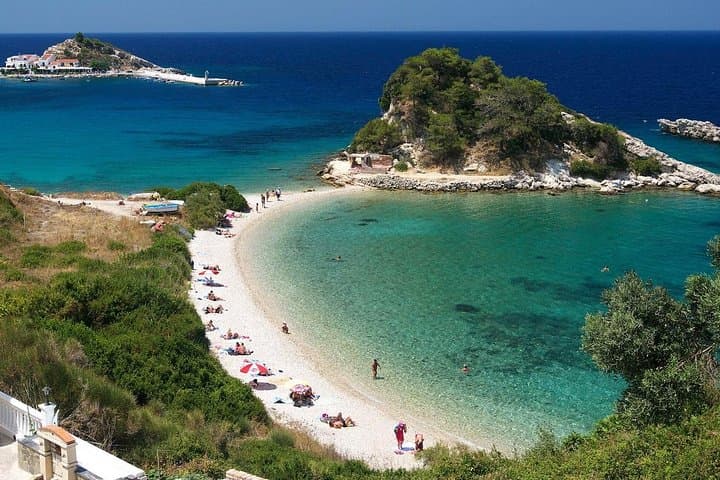
Culturally, expect simple island hospitality: local wine, tavernas serving grilled fish and dakos, and small shops selling Samian ceramics. Hidden corners like the archaeological museum or a short seaside walk to a pebbled cove reward those who linger.
Practical guidance: the tour runs about nine hours total (roughly seven hours on Samos), includes ferry ticket, port taxes and a shared return transfer; a valid passport is mandatory. Wear comfortable walking shoes for uneven archaeological sites, bring sun protection, and carry euros for small purchases. If prone to seasickness, take precautions before boarding. With predictable logistics and generous on-island time, this trip is a straightforward way to explore Samos’s principal sites in a single, focused day.
easy.
9 hours (approx.).
Suitable for travelers in average physical condition; involves walking on uneven historic sites for several hours.
Yes — travelers departing Kusadasi for Samos must carry a current valid passport and provide details before travel.
The itinerary allocates roughly seven hours on the island within a total round-trip duration of about nine hours.
The tour includes the ferry ticket and port taxes; individual site admissions (if applicable) are typically paid on site unless otherwise stated.
The tour is stroller-accessible and labeled physically easy, but archaeological sites have uneven surfaces that may limit access for some mobility aids.
Samos was a major Archaic Greek polis and the birthplace of Pythagoras; the island hosts the Heraion sanctuary and the Eupalinian aqueduct, an ancient tunneling achievement.
Samos’s coastal waters and Posidonia seagrass beds are ecologically sensitive—avoid anchoring on beds and support local producers to reduce visitor impact.
Arbek Travel operates guided outdoor trips and adventures with an emphasis on safety, stewardship, and memorable experiences.
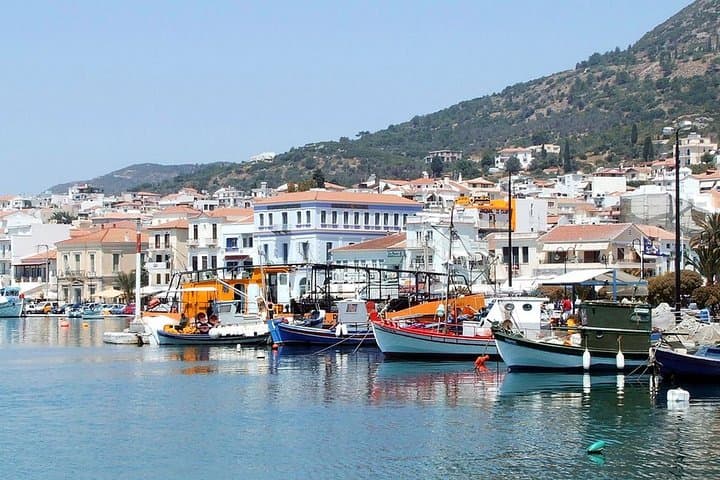
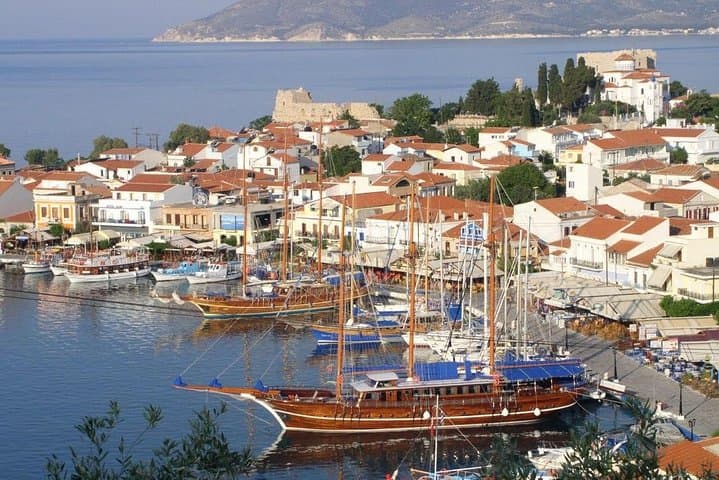
A salt-scented morning in Kusadasi, the harbor busy with ferries, sets the tone: you step aboard for a 30–60 minute crossing across the narrow Mycale Strait and land on Samos with tide-swept stone quays and a slow, sunlit pace. The port of Pythagoreion unfolds with whitewashed houses, fishermen mending nets, and the first glimpses of the island’s layered past.
A salt-scented morning in Kusadasi, the harbor busy with ferries, sets the tone: you step aboard for a 30–60 minute crossing across the narrow Mycale Strait and land on Samos with tide-swept stone quays and a slow, sunlit pace. The port of Pythagoreion unfolds with whitewashed houses, fishermen mending nets, and the first glimpses of the island’s layered past.
Samos is compact but deep in history. Walkable streets lead to the ruins of the Heraion and the long stone throat of the Eupalinian aqueduct — a 6th-century BCE engineering feat — reminders that this island shaped ancient science, wine culture and maritime trade. Geologically, Samos rises from folded limestone slopes and volcanic tuffs; coastal benches and small harbors give way to scrubby hills that frame sweeping Aegean views.
Culturally, expect simple island hospitality: local wine, tavernas serving grilled fish and dakos, and small shops selling Samian ceramics. Hidden corners like the archaeological museum or a short seaside walk to a pebbled cove reward those who linger.
Practical guidance: the tour runs about nine hours total (roughly seven hours on Samos), includes ferry ticket, port taxes and a shared return transfer; a valid passport is mandatory. Wear comfortable walking shoes for uneven archaeological sites, bring sun protection, and carry euros for small purchases. If prone to seasickness, take precautions before boarding. With predictable logistics and generous on-island time, this trip is a straightforward way to explore Samos’s principal sites in a single, focused day.