THE ADVENTURE COLLECTIVE® · Independent discovery and booking for outdoor travel

Drop into Río Cangrejal’s Class III–IV rapids on a full-day run from La Ceiba and trade the city for rainforest, deep plunge pools and technical boulder gardens. Expect five hours of instruction, paddling, and local natural history along the Naranjo section.
Drop into Río Cangrejal’s Class III–IV rapids on a full-day run from La Ceiba and trade the city for rainforest, deep plunge pools and technical boulder gardens. Expect five hours of instruction, paddling, and local natural history along the Naranjo section.
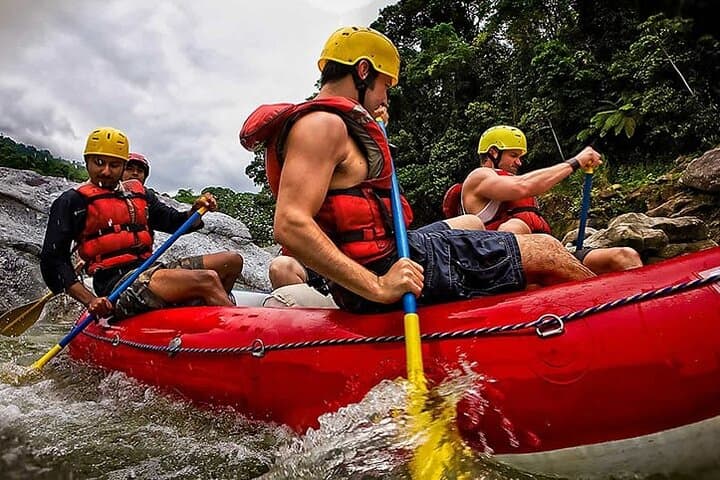
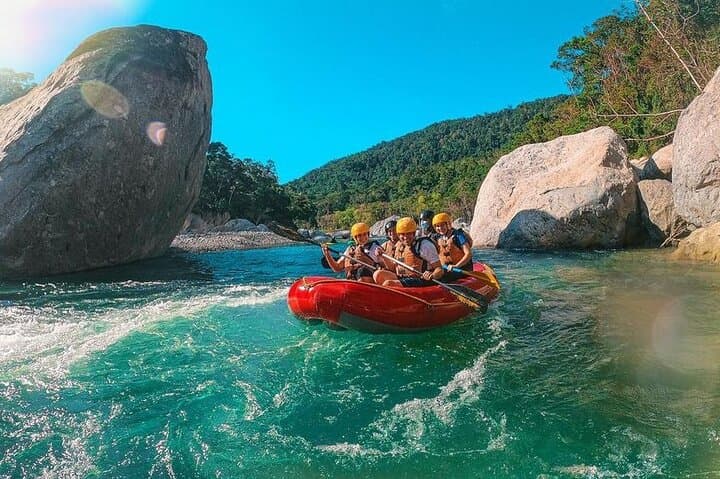
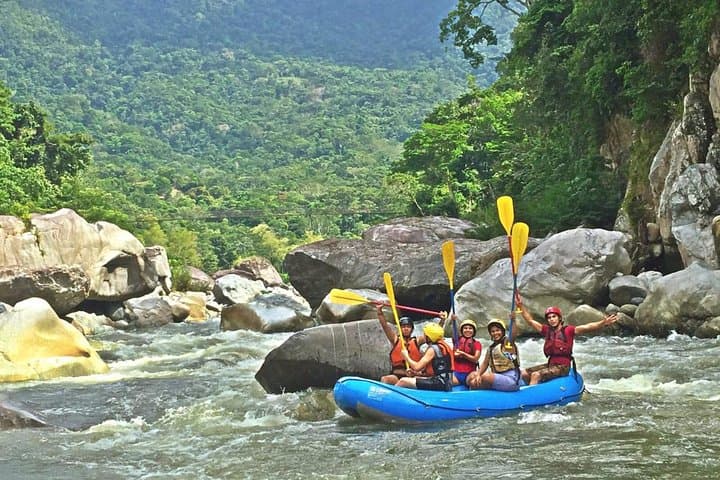
You step off the van where the rainforest meets the river and the first thing you notice is the sound: water throwing itself over boulders, a continuous clatter that drowns out conversation. The guides unload rafts against a backdrop of steep, forested ridges—Pico Bonito’s slopes pressing toward the river like an audience to the performance. Sun breaks through the canopy in quick flashes, turning the current a glassy green; ahead, whitewater waits.
Verified experiences and guided adventures in the surrounding area.
Operated by Honduras Traveling · La Ceiba, Atlántida
You step off the van where the rainforest meets the river and the first thing you notice is the sound: water throwing itself over boulders, a continuous clatter that drowns out conversation. The guides unload rafts against a backdrop of steep, forested ridges—Pico Bonito’s slopes pressing toward the river like an audience to the performance. Sun breaks through the canopy in quick flashes, turning the current a glassy green; ahead, whitewater waits.
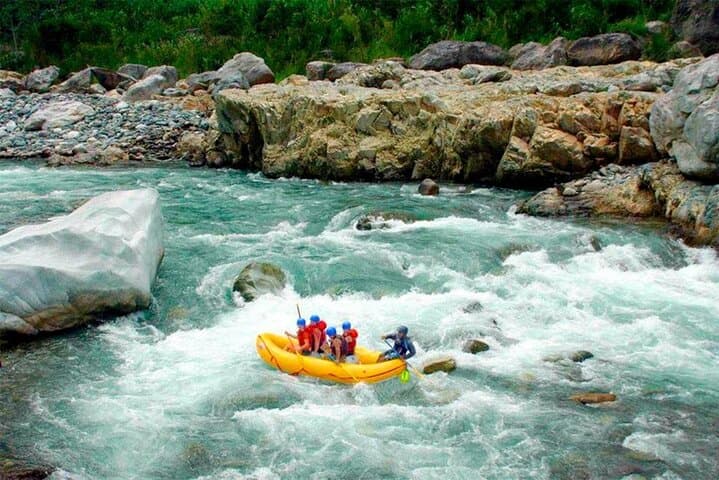
Río Cangrejal has been carving a route between coastal plain and mountain for millennia, exposing volcanic and metamorphic bedrock and creating the teeth-like boulder gardens that make this section famous. The river slices through Pico Bonito National Park, a biological hotspot protecting lowland tropical rainforest and a corridor for migratory birds. La Ceiba, the nearest city, grew from logging and banana export towns into a Garífuna and Mestizo cultural hub—today its people are as much a part of the river’s story as the rapids.
The run offered here focuses on the Naranjo section, five hours including transfers, safety briefing, and guided paddling through sustained Class III and occasional Class IV rapids. The guides teach strokes and commands on the bank, then push you into eddies and drops where the raft slaps and surges. Between runs the river offers placid pools deep enough for a jump; the rainforest leans close enough to feel like a living wall. Guides point out howler monkeys, toucans and the occasional iguana sunning on a rock—wildlife that uses the river as a corridor.
Practicalities: the full trip runs roughly five hours from pickup in La Ceiba; expect moderate hiking along riverbanks during skirt-and-scout stops. Operators provide helmets, PFDs, paddles, snacks, water and coffee. This is an adults-only, physically demanding trip not recommended for those with back, heart or pregnancy concerns. Booking includes hotel pickup and return—plan to be ready 30 minutes before departure.
Timing matters: water levels change with the rainy season—higher flows deliver bigger, more technical waves but also more hazard. Wear closed river shoes or sturdy sandals, synthetic quick-dry layers, and a small waterproof pack for a camera and sun protection. Bring cash for tips and local craft; support the guides—many are from nearby communities and invest in river conservation.
Río Cangrejal is equal parts adrenaline and ecosystem. It dares you forward on the river’s terms, and if you listen—paddle in sync, trust the guide, and respect the current—you leave with more than a thrill: a clearer sense of why these rivers are worth protecting.
challenging.
5 hours.
Good to excellent cardiovascular fitness and core strength; comfortable swimming ability required.
The full experience is about five hours including hotel pickup in La Ceiba, safety briefing, the river run, and return.
No prior whitewater experience is required, but you should be a confident swimmer with good fitness—guides teach paddling and safety.
The Naranjo section features sustained Class III rapids with some Class IV moves depending on water level; expect boulder gardens, waves and technical lines.
This operator restricts the trip to adults and recommends against participation for pregnant travelers or those with significant back, heart or cardiovascular conditions.
Quick-dry synthetic layers, a swimsuit, and closed-toe river shoes; bring sun protection and a light waterproof layer if rain is forecast.
Yes—professional guides, helmets, lifejackets, paddles, bottled water, snacks and a safety briefing are included.
La Ceiba grew around 20th-century timber and banana industries; Río Cangrejal has long been a transportation and subsistence corridor for local communities including Garífuna settlements along the coast.
High use and seasonal tourism pressure make river stewardship important—pack out all trash, avoid single-use plastics and hire certified local guides who contribute to conservation fees.
Honduras Traveling operates guided outdoor trips and adventures with an emphasis on safety, stewardship, and memorable experiences.
You step off the van where the rainforest meets the river and the first thing you notice is the sound: water throwing itself over boulders, a continuous clatter that drowns out conversation. The guides unload rafts against a backdrop of steep, forested ridges—Pico Bonito’s slopes pressing toward the river like an audience to the performance. Sun breaks through the canopy in quick flashes, turning the current a glassy green; ahead, whitewater waits.
You step off the van where the rainforest meets the river and the first thing you notice is the sound: water throwing itself over boulders, a continuous clatter that drowns out conversation. The guides unload rafts against a backdrop of steep, forested ridges—Pico Bonito’s slopes pressing toward the river like an audience to the performance. Sun breaks through the canopy in quick flashes, turning the current a glassy green; ahead, whitewater waits.
Río Cangrejal has been carving a route between coastal plain and mountain for millennia, exposing volcanic and metamorphic bedrock and creating the teeth-like boulder gardens that make this section famous. The river slices through Pico Bonito National Park, a biological hotspot protecting lowland tropical rainforest and a corridor for migratory birds. La Ceiba, the nearest city, grew from logging and banana export towns into a Garífuna and Mestizo cultural hub—today its people are as much a part of the river’s story as the rapids.
The run offered here focuses on the Naranjo section, five hours including transfers, safety briefing, and guided paddling through sustained Class III and occasional Class IV rapids. The guides teach strokes and commands on the bank, then push you into eddies and drops where the raft slaps and surges. Between runs the river offers placid pools deep enough for a jump; the rainforest leans close enough to feel like a living wall. Guides point out howler monkeys, toucans and the occasional iguana sunning on a rock—wildlife that uses the river as a corridor.
Practicalities: the full trip runs roughly five hours from pickup in La Ceiba; expect moderate hiking along riverbanks during skirt-and-scout stops. Operators provide helmets, PFDs, paddles, snacks, water and coffee. This is an adults-only, physically demanding trip not recommended for those with back, heart or pregnancy concerns. Booking includes hotel pickup and return—plan to be ready 30 minutes before departure.
Timing matters: water levels change with the rainy season—higher flows deliver bigger, more technical waves but also more hazard. Wear closed river shoes or sturdy sandals, synthetic quick-dry layers, and a small waterproof pack for a camera and sun protection. Bring cash for tips and local craft; support the guides—many are from nearby communities and invest in river conservation.
Río Cangrejal is equal parts adrenaline and ecosystem. It dares you forward on the river’s terms, and if you listen—paddle in sync, trust the guide, and respect the current—you leave with more than a thrill: a clearer sense of why these rivers are worth protecting.