THE ADVENTURE COLLECTIVE® · Independent discovery and booking for outdoor travel

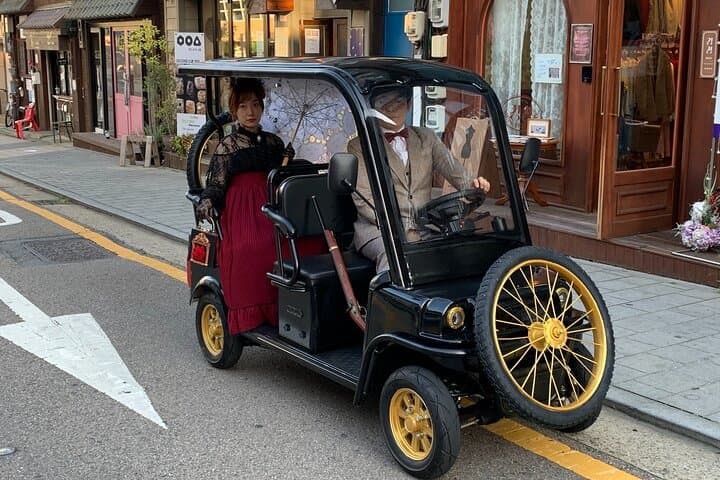
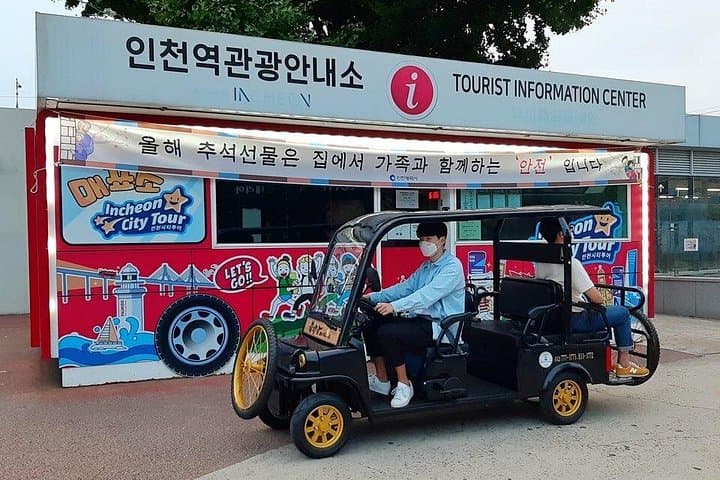
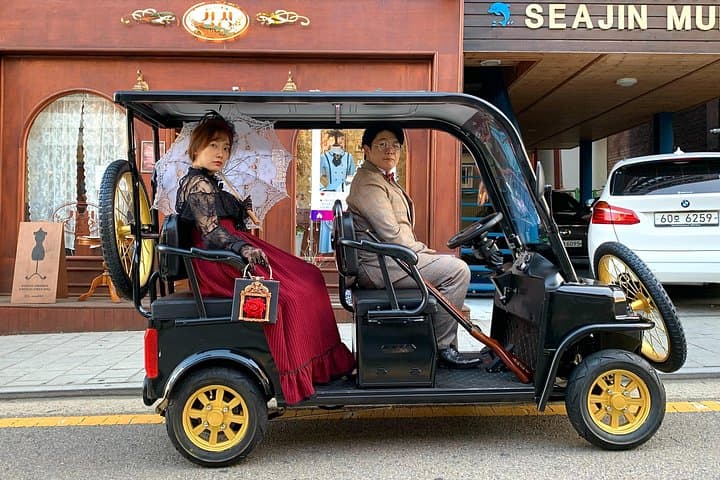
Ride a 19th-century–style electric car through Incheon’s open-port streets, stopping at red-brick art platforms, Chinatown shrines, and the original Jjajangmyeon site. This short, guided loop blends coastal history with easy city sightseeing.
Ride a 19th-century–style electric car through Incheon’s open-port streets, stopping at red-brick art platforms, Chinatown shrines, and the original Jjajangmyeon site. This short, guided loop blends coastal history with easy city sightseeing.
The electric car hums away from the quay and the gray sea breathes against the seawall, the city’s industrial edge softening into brick facades and painted stairs. Within minutes you’re moving through lanes where foreign traders once disembarked, the guide’s voice layering local anecdotes over the sound of tires and gulls.
Verified experiences and guided adventures in the surrounding area.
Operated by 조은투어 · Incheon, Incheon
The electric car hums away from the quay and the gray sea breathes against the seawall, the city’s industrial edge softening into brick facades and painted stairs. Within minutes you’re moving through lanes where foreign traders once disembarked, the guide’s voice layering local anecdotes over the sound of tires and gulls.
This 50-minute loop follows the arc of Incheon’s modern opening in 1883: red-brick warehouses at the Incheon Art Platform, narrow stairways that mark former foreign enclaves, the Chinese-style shrines in Chinatown, and the modest lot that became the first Gonghwachun noodle shop—now the Jjajangmyeon Museum. Geology here is coastal reclaim and man-made harbor; culturally the port shaped Korea’s early international exchange and immigrant communities, visible in architecture and food.
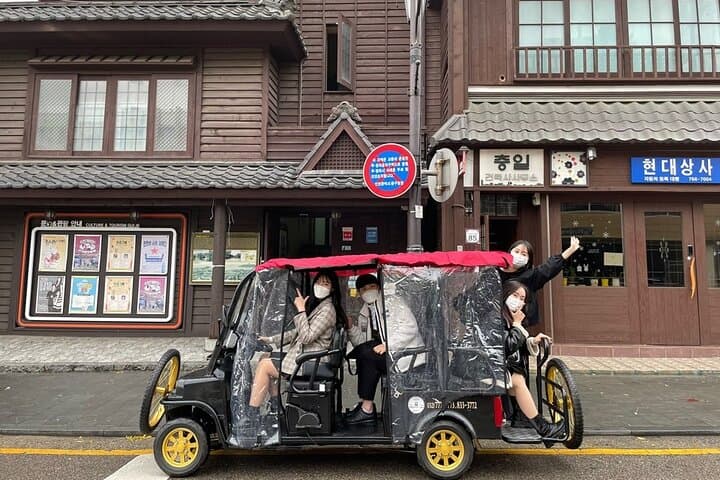
Stops are short but photographic: Songwol-dong’s fairy-tale murals, Jayu Park’s sea views, and small heritage buildings that recall colonial-era commerce. The route moves at an easy pace on quiet streets; the vehicle is eco-friendly, low to the ground, and suited for families and travelers who prefer minimal walking.
Practical guidance: arrive 10–15 minutes early for boarding and translation needs, carry light layers for wind off the Yellow Sea, and bring a camera with a neutral-density glare filter for seaside shots. Expect brief on-foot stretches at select stops and room for strollers and service animals. If wind or heavy rain threatens the harbor, tours may be canceled for safety.
easy.
50 minutes.
Suitable for travelers of all fitness levels; minimal walking required
The tour runs approximately 50 minutes and follows a fixed route through Incheon Open Port Street and nearby heritage sites.
Walking is minimal: most viewing is from the car with a few brief stops that include short walks and stairs.
Yes — the tour policy allows a full refund if canceled at least 24 hours before departure or if the operator cancels for weather.
Yes — the vehicle accommodates families and has room for strollers; infant seats are also available on request.
Incheon’s designation as an open port in the late 19th century rapidly introduced foreign trade, foreign residences, and modern institutions that shaped Korea’s modernization.
The port area balances heritage preservation with urban regeneration; visitors can support local conservation by staying on marked paths and choosing low-impact transit like the electric car.
조은투어 operates guided outdoor trips and adventures with an emphasis on safety, stewardship, and memorable experiences.
The electric car hums away from the quay and the gray sea breathes against the seawall, the city’s industrial edge softening into brick facades and painted stairs. Within minutes you’re moving through lanes where foreign traders once disembarked, the guide’s voice layering local anecdotes over the sound of tires and gulls.
The electric car hums away from the quay and the gray sea breathes against the seawall, the city’s industrial edge softening into brick facades and painted stairs. Within minutes you’re moving through lanes where foreign traders once disembarked, the guide’s voice layering local anecdotes over the sound of tires and gulls.
This 50-minute loop follows the arc of Incheon’s modern opening in 1883: red-brick warehouses at the Incheon Art Platform, narrow stairways that mark former foreign enclaves, the Chinese-style shrines in Chinatown, and the modest lot that became the first Gonghwachun noodle shop—now the Jjajangmyeon Museum. Geology here is coastal reclaim and man-made harbor; culturally the port shaped Korea’s early international exchange and immigrant communities, visible in architecture and food.
Stops are short but photographic: Songwol-dong’s fairy-tale murals, Jayu Park’s sea views, and small heritage buildings that recall colonial-era commerce. The route moves at an easy pace on quiet streets; the vehicle is eco-friendly, low to the ground, and suited for families and travelers who prefer minimal walking.
Practical guidance: arrive 10–15 minutes early for boarding and translation needs, carry light layers for wind off the Yellow Sea, and bring a camera with a neutral-density glare filter for seaside shots. Expect brief on-foot stretches at select stops and room for strollers and service animals. If wind or heavy rain threatens the harbor, tours may be canceled for safety.