THE ADVENTURE COLLECTIVE® · Independent discovery and booking for outdoor travel

A compact 2-day, 1-night trek from Cusco, the Inca Trail to Mapi offers ridge-top views, cloud-forest birding, and a taste of Quechua place-based culture. Ideal for fit hikers seeking high-altitude scenery with an overnight camp.
A compact 2-day, 1-night trek from Cusco, the Inca Trail to Mapi offers ridge-top views, cloud-forest birding, and a taste of Quechua place-based culture. Ideal for fit hikers seeking high-altitude scenery with an overnight camp.
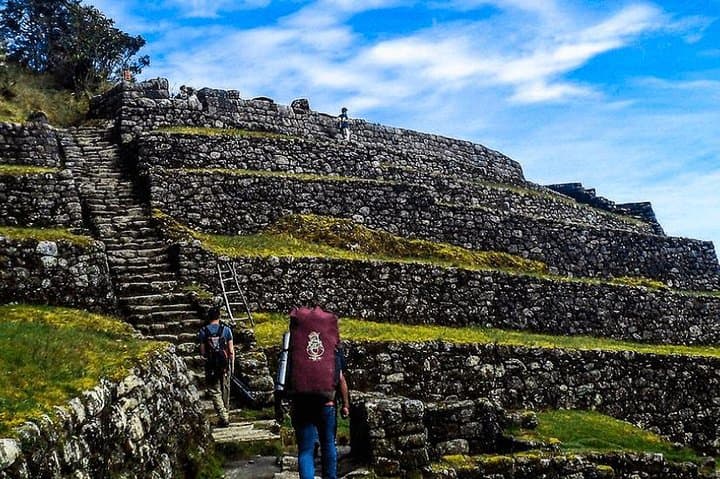
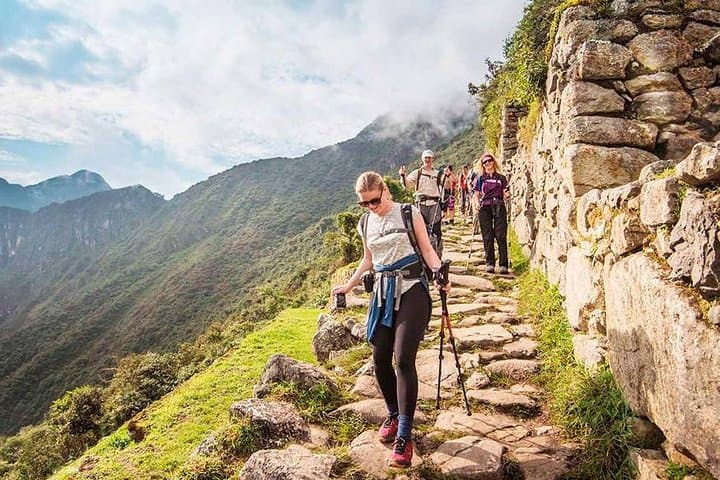
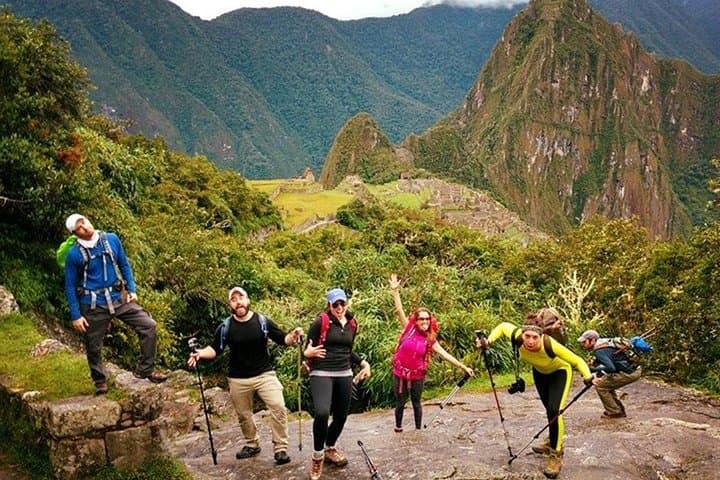
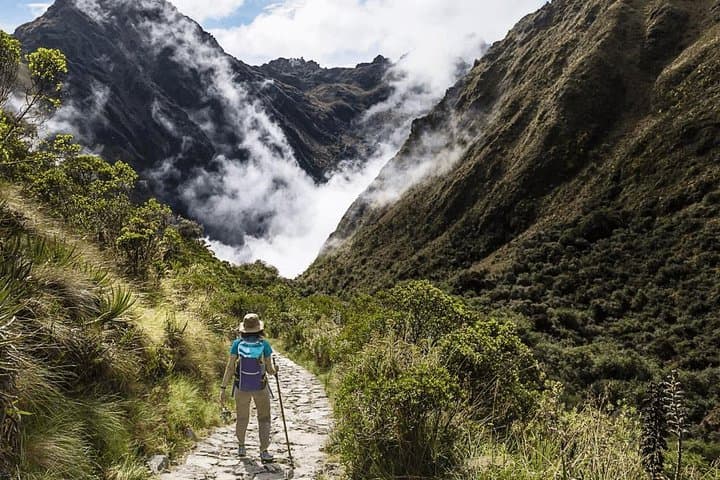
Morning mist lifts from high puna grass as you step onto an ancient cobbled path—the Inca Trail to Mapi pushes you into the raw Andes within two days and one night. Ridge lines sharpen, a river dares you to follow its course, and quechua place names mark each bend. The route threads through puna and cloud forest, passing terraces and medicinal plants that local guides still use.
Verified experiences and guided adventures in the surrounding area.
Operated by Antisuyo Travel · Cusco, Cusco
Morning mist lifts from high puna grass as you step onto an ancient cobbled path—the Inca Trail to Mapi pushes you into the raw Andes within two days and one night. Ridge lines sharpen, a river dares you to follow its course, and quechua place names mark each bend. The route threads through puna and cloud forest, passing terraces and medicinal plants that local guides still use.
This corridor was once part of the imperial road system of Tawantinsuyu, built to connect villages to Cusco and its solar rites. Geologically the trail rides volcanic and sedimentary beds uplifted by the Andes; steep drainages carve narrow valleys and offer abrupt viewpoints. Culturally, expect Quechua place-names and mountain veneration—apus are visible on clear mornings.
Overnights are simple: tent camps at designated clearings where guides pitch stoves and prepare highland fare. Birdlife is active at dawn; watch for ground-tyrants and hummingbirds in the forest fringe. The pace is steady but at altitude—legs and lungs work differently here.
Practical guidance: plan for 48 hours, pack a warm sleeping bag, and hydrate before and during the hike to counter altitude strain. Sturdy boots and layered clothing handle wet afternoons and cold nights. Permits and local rules may limit group size; use licensed operators and follow Leave No Trace—camp only in authorized spots and pack out waste.
This trek rewards with compact exposure to Andean landscapes, local plant knowledge, and a clear sense of why these routes once linked an empire.
challenging.
1–2 days (≈48 hours).
Good aerobic fitness and leg strength required; prior multi-day hiking experience recommended due to altitude and sustained climbs.
Physically demanding due to altitude and sustained hiking; you should be comfortable with long uphill sections and carry a daypack.
Local operators handle permits and permissions—book through a licensed company in advance as group sizes can be limited.
Basic camping with tents provided by the operator; expect communal meals prepared by guides and simple sleeping arrangements.
Fit beginners with prior day-hike experience can manage it, but acclimatization and pacing are essential; those with heart or spinal issues should avoid it.
The route forms part of the Inca road network (Qhapaq Ñan) that linked villages to Cusco and served ritual and administrative functions.
Stay on trails, use licensed guides, and pack out all waste; local communities monitor campsites to protect fragile highland vegetation.
Antisuyo Travel operates guided outdoor trips and adventures with an emphasis on safety, stewardship, and memorable experiences.
Morning mist lifts from high puna grass as you step onto an ancient cobbled path—the Inca Trail to Mapi pushes you into the raw Andes within two days and one night. Ridge lines sharpen, a river dares you to follow its course, and quechua place names mark each bend. The route threads through puna and cloud forest, passing terraces and medicinal plants that local guides still use.
Morning mist lifts from high puna grass as you step onto an ancient cobbled path—the Inca Trail to Mapi pushes you into the raw Andes within two days and one night. Ridge lines sharpen, a river dares you to follow its course, and quechua place names mark each bend. The route threads through puna and cloud forest, passing terraces and medicinal plants that local guides still use.
This corridor was once part of the imperial road system of Tawantinsuyu, built to connect villages to Cusco and its solar rites. Geologically the trail rides volcanic and sedimentary beds uplifted by the Andes; steep drainages carve narrow valleys and offer abrupt viewpoints. Culturally, expect Quechua place-names and mountain veneration—apus are visible on clear mornings.
Overnights are simple: tent camps at designated clearings where guides pitch stoves and prepare highland fare. Birdlife is active at dawn; watch for ground-tyrants and hummingbirds in the forest fringe. The pace is steady but at altitude—legs and lungs work differently here.
Practical guidance: plan for 48 hours, pack a warm sleeping bag, and hydrate before and during the hike to counter altitude strain. Sturdy boots and layered clothing handle wet afternoons and cold nights. Permits and local rules may limit group size; use licensed operators and follow Leave No Trace—camp only in authorized spots and pack out waste.
This trek rewards with compact exposure to Andean landscapes, local plant knowledge, and a clear sense of why these routes once linked an empire.