THE ADVENTURE COLLECTIVE® · Independent discovery and booking for outdoor travel

Walk the classic four-day Inca Trail from Cusco to Machu Picchu, crossing mountain passes, cloud forest, and multiple archaeological sites. This guide outlines what to expect—distances, elevations, logistics and gear—so you can arrive prepared for the Sun Gate reveal.
Walk the classic four-day Inca Trail from Cusco to Machu Picchu, crossing mountain passes, cloud forest, and multiple archaeological sites. This guide outlines what to expect—distances, elevations, logistics and gear—so you can arrive prepared for the Sun Gate reveal.
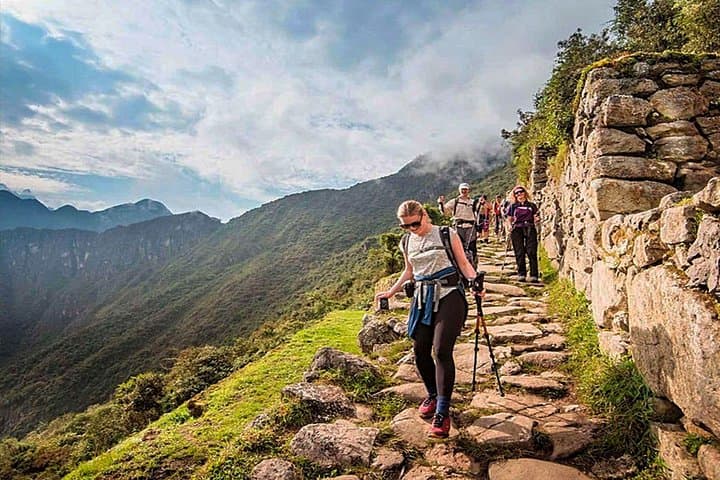
Dawn in the Sacred Valley feels edged with cold and possibility as you step onto a stone ribbon that climbs from river lowlands into the high Andes. The Inca Trail’s granite steps force a steady rhythm: breath, step, breath. Rivers dare you to slow down; cloud forest pockets hush your progress; the pass itself pushes back with thin air and wide, raw views.
Verified experiences and guided adventures in the surrounding area.
Operated by Vamos Machu Picchu · Cusco, Cusco Region
Dawn in the Sacred Valley feels edged with cold and possibility as you step onto a stone ribbon that climbs from river lowlands into the high Andes. The Inca Trail’s granite steps force a steady rhythm: breath, step, breath. Rivers dare you to slow down; cloud forest pockets hush your progress; the pass itself pushes back with thin air and wide, raw views.
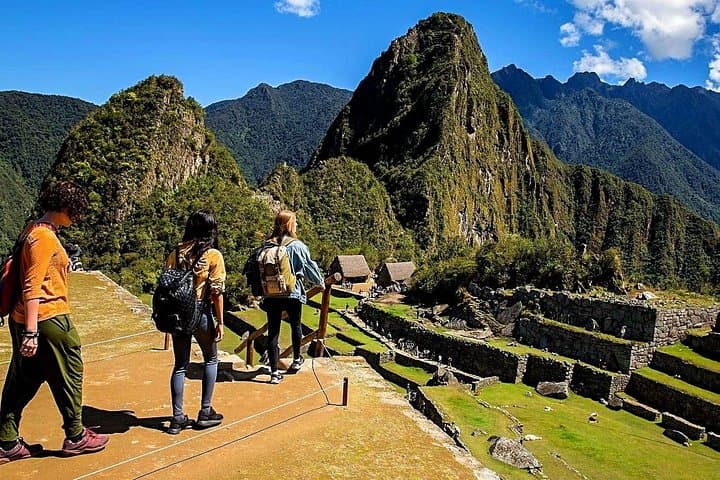
This four-day route follows portions of the imperial Qhapaq Ñan, the road network that linked Machu Picchu to Cusco. Geologically the trail shifts from river-carved valleys to glacially polished ridgelines and then into humid montane forest—each day brings new microclimates and archeological plazas such as Patallaqta, Runkurakay, Sayacmarca, Phuyupatamarca, and the terraced ruins at Wiñaywayna. Local Quechua culture is present in place names and the dry-stone work beneath your boots, and porters and guides maintain the living logistic tradition that keeps the trail open.
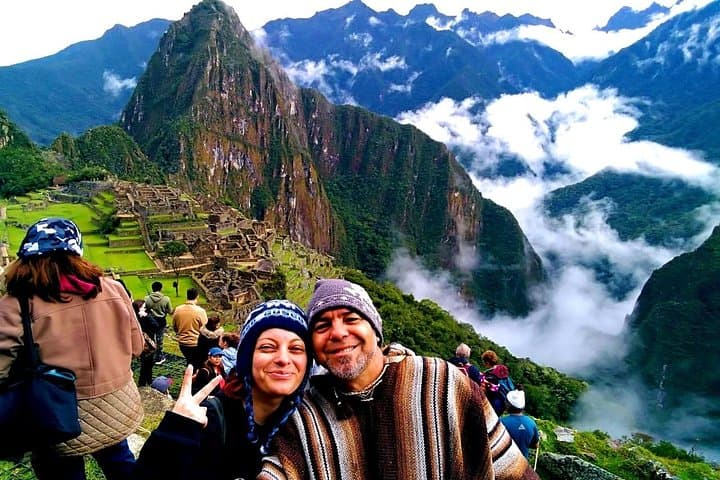
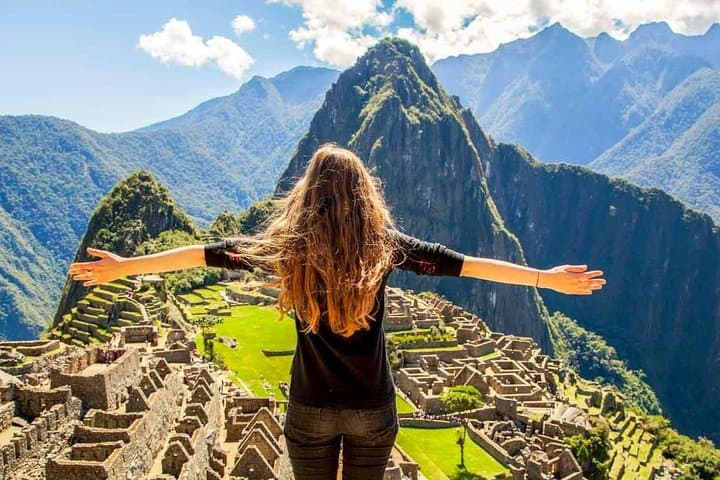
Practical guide: expect 10–16 km daily with long stair sections and a high point near 4,200 m (Dead Woman’s Pass). Camp sleeps are two-per-tent, with meals provided and porters carrying heavy gear; you’ll descend the final 5 km at dawn to Intipunku (Sun Gate) for a sunrise reveal of Machu Picchu. Acclimatize in Cusco for 48–72 hours, carry hydration and electrolytes, and favor supportive boots with good ankle support. Pack for rapid weather swings—layers, rain protection and a warm sleeping bag are mission-critical. Leave no trace, respect restricted sites, and move steadily: the trail rewards patience with one of the most direct approaches to a world wonder.
challenging.
4 days.
Requires strong cardiovascular fitness, leg endurance, and prior multi-day hiking experience; comfortable carrying a daypack at altitude.
Yes. The Inca Trail is regulated and requires a permit tied to a guided trek; permits are limited and should be booked well in advance.
Dead Woman’s Pass is the highest point (~4,200 m) and a steep ascent; it’s the most physically demanding section but short—pace yourself and hydrate.
Most operators provide porters who carry camping and communal gear; personal daypacks should contain valuables and items you’ll need during the day.
The trail is best for fit hikers accustomed to long days and altitude; people with cardiovascular issues or pregnancy are advised not to attempt it.
The trail is part of the Qhapaq Ñan, the imperial Inca road network that connected administrative centers and sacred sites across the empire.
Visitor numbers are capped and managed to reduce erosion and cultural impact; follow Leave No Trace principles and respect restricted areas to protect fragile ruins and ecosystems.
Vamos Machu Picchu operates guided outdoor trips and adventures with an emphasis on safety, stewardship, and memorable experiences.
Dawn in the Sacred Valley feels edged with cold and possibility as you step onto a stone ribbon that climbs from river lowlands into the high Andes. The Inca Trail’s granite steps force a steady rhythm: breath, step, breath. Rivers dare you to slow down; cloud forest pockets hush your progress; the pass itself pushes back with thin air and wide, raw views.
Dawn in the Sacred Valley feels edged with cold and possibility as you step onto a stone ribbon that climbs from river lowlands into the high Andes. The Inca Trail’s granite steps force a steady rhythm: breath, step, breath. Rivers dare you to slow down; cloud forest pockets hush your progress; the pass itself pushes back with thin air and wide, raw views.
This four-day route follows portions of the imperial Qhapaq Ñan, the road network that linked Machu Picchu to Cusco. Geologically the trail shifts from river-carved valleys to glacially polished ridgelines and then into humid montane forest—each day brings new microclimates and archeological plazas such as Patallaqta, Runkurakay, Sayacmarca, Phuyupatamarca, and the terraced ruins at Wiñaywayna. Local Quechua culture is present in place names and the dry-stone work beneath your boots, and porters and guides maintain the living logistic tradition that keeps the trail open.
Practical guide: expect 10–16 km daily with long stair sections and a high point near 4,200 m (Dead Woman’s Pass). Camp sleeps are two-per-tent, with meals provided and porters carrying heavy gear; you’ll descend the final 5 km at dawn to Intipunku (Sun Gate) for a sunrise reveal of Machu Picchu. Acclimatize in Cusco for 48–72 hours, carry hydration and electrolytes, and favor supportive boots with good ankle support. Pack for rapid weather swings—layers, rain protection and a warm sleeping bag are mission-critical. Leave no trace, respect restricted sites, and move steadily: the trail rewards patience with one of the most direct approaches to a world wonder.