THE ADVENTURE COLLECTIVE® · Independent discovery and booking for outdoor travel

A four-day journey along the classic 43 km Inca Trail that links high Andean passes, cloud-forest ruins and the Sun Gate reveal of Machu Picchu. Expect long stone stairways, archaeological sites, and altitude—book permits early and allow time to acclimatize.
A four-day journey along the classic 43 km Inca Trail that links high Andean passes, cloud-forest ruins and the Sun Gate reveal of Machu Picchu. Expect long stone stairways, archaeological sites, and altitude—book permits early and allow time to acclimatize.
On the first morning the trail pulls hikers out of Cusco's high valleys and into a living corridor of stone. Rugged steps climb through puna grass and then fall into the damp hush of cloud forest, where moss and orchids claim the old Inca road. Each day offers a new rhythm: steady ascent, a ridge that makes you breathe harder, a wide view that dares you to keep going.
Verified experiences and guided adventures in the surrounding area.
Operated by MACHUPICCHU SENSATIONS Travel & Expeditions · Aguas Calientes (Machu Picchu Pueblo), Cusco
On the first morning the trail pulls hikers out of Cusco's high valleys and into a living corridor of stone. Rugged steps climb through puna grass and then fall into the damp hush of cloud forest, where moss and orchids claim the old Inca road. Each day offers a new rhythm: steady ascent, a ridge that makes you breathe harder, a wide view that dares you to keep going.
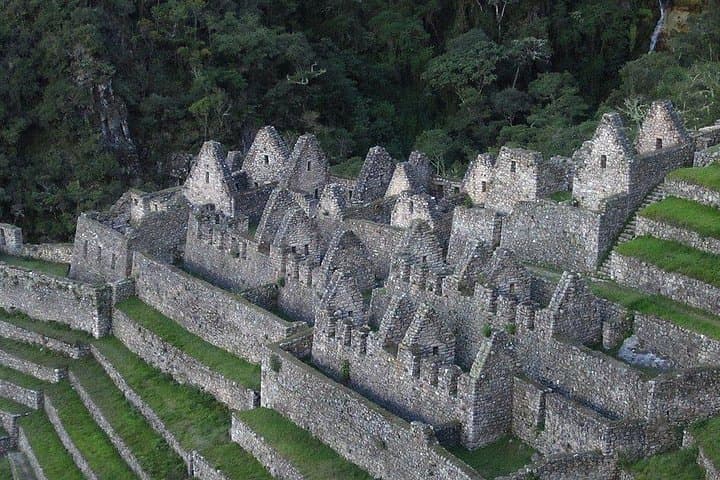
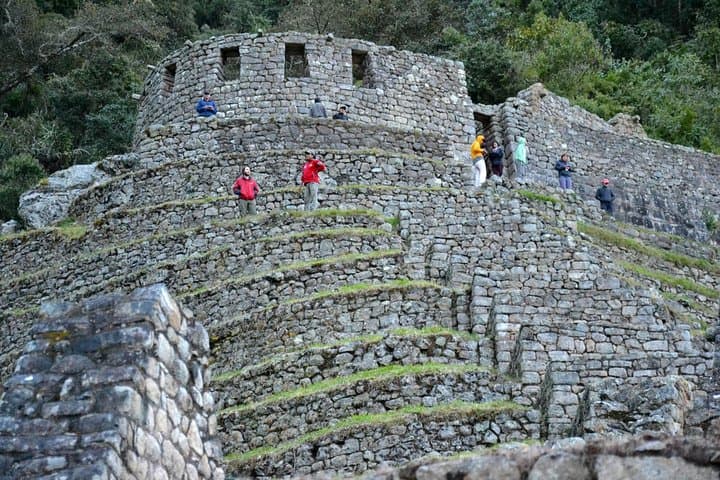
This four-day route covers roughly 43 km (about 26 miles) and crests at Warmiwañusqa (Dead Woman's Pass), near 4,200 m. The trail is as much archaeological route as mountain track—ruin clusters like Runkurakay, Sayacmarca, Phuyupatamarca and the terraced Wiñay Wayna give context to the final reveal, Inti Punku, the Sun Gate, where Machu Picchu first appears on the skyline.
Geologically the path slices the eastern flank of the Andes, shifting from dry puna to humid cloud forest and into tropical river valleys, a place where Andean hydrology and pre-Columbian engineering meet. Culturally, the walk follows an imperial highway that linked Sacsayhuamán and Ollantaytambo with sacred sites downstream.
Practical guidance: permits are required and the route is regulated—book months ahead. Plan 2–3 days in Cusco to acclimatize, expect 5–8 hours hiking daily on uneven stonework, carry a water purification method, and bring layered clothing for sharp temperature swings. Porters and staff handle camp logistics on most guided departures, but personal comfort items, a headlamp, and blister-care are essential. Start early on day four to reach the Sun Gate at sunrise—the payoff for sustained effort is undeniable and immediate.
challenging.
4 days (approx. 5–8 hours hiking per day).
Good cardiovascular fitness and experience with multi-day hiking is recommended; prior altitude exposure helps.
Yes. The classic Inca Trail requires a government-issued permit; numbers are limited and usually distributed through licensed operators.
The highest pass is about 4,200 m; many hikers feel shortness of breath and mild altitude effects—allow time in Cusco to acclimatize and descend if symptoms worsen.
On guided departures most operators provide tents, sleeping bags, meals and porters; verify inclusions when booking and bring personal items like snacks and a liner if you prefer extra warmth.
May through September are drier and the most popular months; rainier months can make steps slippery and muddy.
The trail was part of the Inca road system (Qhapaq Ñan), used for administrative, ceremonial and logistical movement across ecological zones.
The route is tightly regulated to limit erosion and cultural impact; follow Leave No Trace, avoid single-use plastics and respect porter crews and local rules.
MACHUPICCHU SENSATIONS Travel & Expeditions operates guided outdoor trips and adventures with an emphasis on safety, stewardship, and memorable experiences.
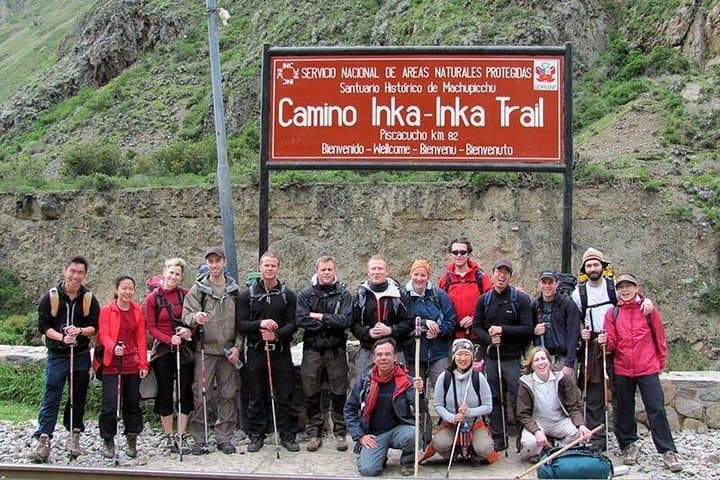
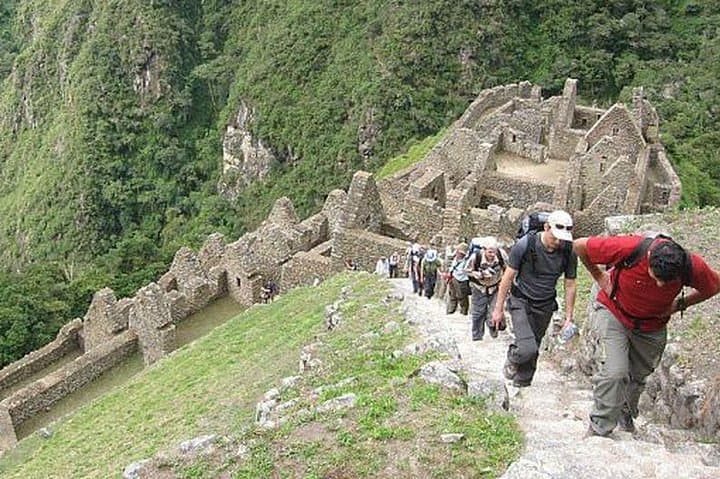
On the first morning the trail pulls hikers out of Cusco's high valleys and into a living corridor of stone. Rugged steps climb through puna grass and then fall into the damp hush of cloud forest, where moss and orchids claim the old Inca road. Each day offers a new rhythm: steady ascent, a ridge that makes you breathe harder, a wide view that dares you to keep going.
On the first morning the trail pulls hikers out of Cusco's high valleys and into a living corridor of stone. Rugged steps climb through puna grass and then fall into the damp hush of cloud forest, where moss and orchids claim the old Inca road. Each day offers a new rhythm: steady ascent, a ridge that makes you breathe harder, a wide view that dares you to keep going.
This four-day route covers roughly 43 km (about 26 miles) and crests at Warmiwañusqa (Dead Woman's Pass), near 4,200 m. The trail is as much archaeological route as mountain track—ruin clusters like Runkurakay, Sayacmarca, Phuyupatamarca and the terraced Wiñay Wayna give context to the final reveal, Inti Punku, the Sun Gate, where Machu Picchu first appears on the skyline.
Geologically the path slices the eastern flank of the Andes, shifting from dry puna to humid cloud forest and into tropical river valleys, a place where Andean hydrology and pre-Columbian engineering meet. Culturally, the walk follows an imperial highway that linked Sacsayhuamán and Ollantaytambo with sacred sites downstream.
Practical guidance: permits are required and the route is regulated—book months ahead. Plan 2–3 days in Cusco to acclimatize, expect 5–8 hours hiking daily on uneven stonework, carry a water purification method, and bring layered clothing for sharp temperature swings. Porters and staff handle camp logistics on most guided departures, but personal comfort items, a headlamp, and blister-care are essential. Start early on day four to reach the Sun Gate at sunrise—the payoff for sustained effort is undeniable and immediate.