THE ADVENTURE COLLECTIVE® · Independent discovery and booking for outdoor travel

Two days of concentrated Inca Trail highlights: a steep, atmospheric climb from Km 104 to the Wiñaywayna ruins, then an entry through the Sun Gate into Machu Picchu. Perfect for travelers short on time but fit enough for rocky stairways and altitude shifts.
Two days of concentrated Inca Trail highlights: a steep, atmospheric climb from Km 104 to the Wiñaywayna ruins, then an entry through the Sun Gate into Machu Picchu. Perfect for travelers short on time but fit enough for rocky stairways and altitude shifts.
Dawn opens on steep cloud forest ridges as the train pulls into Km 104 and you step off onto a narrow platform — humidity clings to your jacket and the trail ahead threads through ferns and stone steps that climb like living stairs.
Verified experiences and guided adventures in the surrounding area.
Operated by VIPAC Travel · Aguas Calientes, Cusco
Dawn opens on steep cloud forest ridges as the train pulls into Km 104 and you step off onto a narrow platform — humidity clings to your jacket and the trail ahead threads through ferns and stone steps that climb like living stairs.
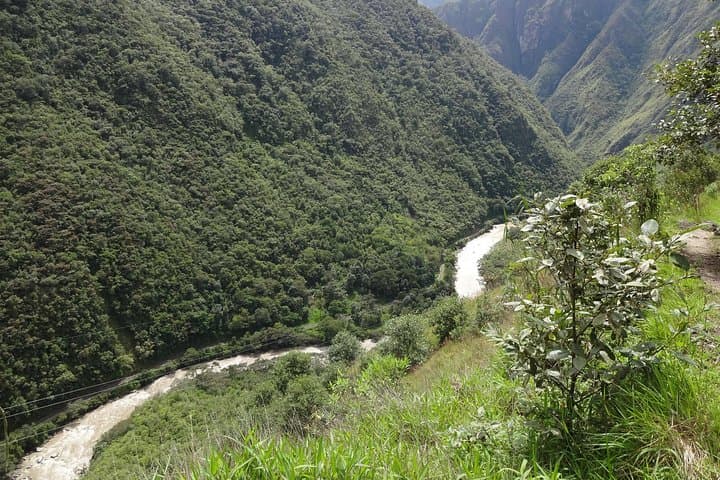
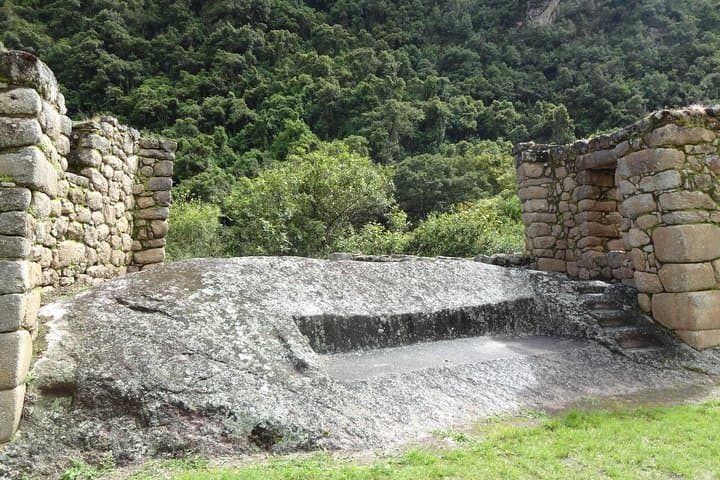
This two-day express follows the same corridor used by the Incas: a mosaic of cut stone terraces, drainage channels and staircases that hug granite spurs above the Urubamba Valley. You’ll reach the Wiñaywayna complex — an elegant set of terraces, waterworks and plazas dating to the 15th century — before entering Machu Picchu through Intipunku (the Sun Gate). Geologically the route slices through fractured granite and dense cloud forest; culturally it threads contemporary Quechua life with Inca engineering.
Expect short, steep sections of exposed stone steps, moss-slick switchbacks and stretches of singletrack edged by orchids and bromeliads. Elevations move from roughly 2,200 m (Km 104) up toward 2,650 m at Wiñaywayna, then down slightly to Machu Picchu at about 2,430 m — altitude changes are noticeable, so pace yourself.
Practical edge: book train seats and your Machu Picchu entry in advance; plastic single-use bottles are banned, so bring a refillable container and purification tablets if you plan to top up. Wear waterproof boots with good ankles, bring layered clothing for damp mornings and strong sun by midday, and carry a small daypack with snacks, rain protection and a headlamp. The itinerary compresses key highlights into 48 hours — it rewards fitness, light packing and an early wake-up to catch the sunrise over the Lost City of the Incas.
moderate.
2 days.
Good cardiovascular fitness and experience with sustained uphill walking; able to handle many stone steps and short steep sections.
Yes — Machu Picchu entry and train tickets are restricted. This express itinerary includes the necessary admissions but verify bookings before travel.
The trek is short but intense: expect many steep stone steps and altitude change; people with good fitness handle it well, but it’s not suitable for limited mobility.
Yes — most operators and hotels offer secure storage; the tour typically includes hotel pickup and returns you to Cusco after the train ride.
Yes — altitude can affect anyone. Acclimatize in Cusco, stay hydrated, avoid alcohol the night before, and inform guides of any symptoms.
The trail follows segments of the Qhapaq Ñan, the Inca road system that linked highland settlements to Machu Picchu, a 15th-century ceremonial and administrative center.
Visitor numbers and single-use plastics are controlled to protect fragile cloud forest ecosystems; practice leave-no-trace and stick to marked paths.
VIPAC Travel operates guided outdoor trips and adventures with an emphasis on safety, stewardship, and memorable experiences.


Dawn opens on steep cloud forest ridges as the train pulls into Km 104 and you step off onto a narrow platform — humidity clings to your jacket and the trail ahead threads through ferns and stone steps that climb like living stairs.
Dawn opens on steep cloud forest ridges as the train pulls into Km 104 and you step off onto a narrow platform — humidity clings to your jacket and the trail ahead threads through ferns and stone steps that climb like living stairs.
This two-day express follows the same corridor used by the Incas: a mosaic of cut stone terraces, drainage channels and staircases that hug granite spurs above the Urubamba Valley. You’ll reach the Wiñaywayna complex — an elegant set of terraces, waterworks and plazas dating to the 15th century — before entering Machu Picchu through Intipunku (the Sun Gate). Geologically the route slices through fractured granite and dense cloud forest; culturally it threads contemporary Quechua life with Inca engineering.
Expect short, steep sections of exposed stone steps, moss-slick switchbacks and stretches of singletrack edged by orchids and bromeliads. Elevations move from roughly 2,200 m (Km 104) up toward 2,650 m at Wiñaywayna, then down slightly to Machu Picchu at about 2,430 m — altitude changes are noticeable, so pace yourself.
Practical edge: book train seats and your Machu Picchu entry in advance; plastic single-use bottles are banned, so bring a refillable container and purification tablets if you plan to top up. Wear waterproof boots with good ankles, bring layered clothing for damp mornings and strong sun by midday, and carry a small daypack with snacks, rain protection and a headlamp. The itinerary compresses key highlights into 48 hours — it rewards fitness, light packing and an early wake-up to catch the sunrise over the Lost City of the Incas.