THE ADVENTURE COLLECTIVE® · Independent discovery and booking for outdoor travel

Trek the original Inca footpath across cloud forest, high passes and archaeological sites, arriving at Machu Picchu through the Sun Gate after four days. This guide covers what to expect, history, and practical tips for the classic 4-day route.
Trek the original Inca footpath across cloud forest, high passes and archaeological sites, arriving at Machu Picchu through the Sun Gate after four days. This guide covers what to expect, history, and practical tips for the classic 4-day route.
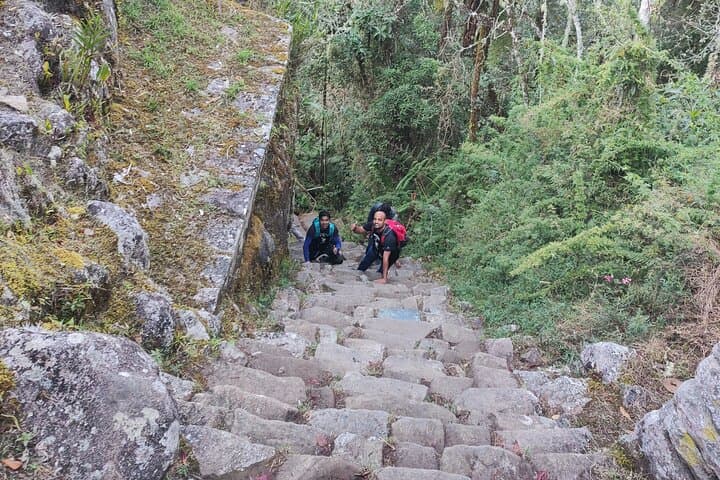
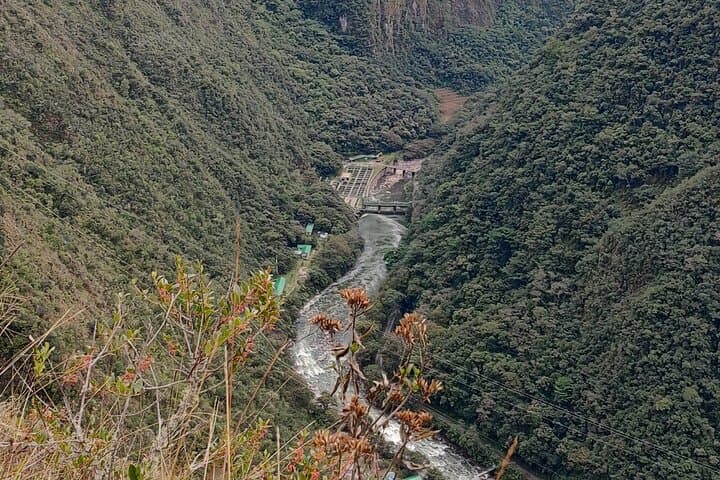
Dawn breaks over the high Andes as your group leaves Cusco and the road winds toward Piscacucho (km 82). Cold air bites at 2,720 m while porters shoulder canvas duffels and the Vilcanota River hurries below, daring you forward. On the trail stone stairways rise and fall, cloud forest tightens, and the silhouettes of snow-capped peaks come into view.
Verified experiences and guided adventures in the surrounding area.
Operated by Aremika Travel · Cusco, Cusco Region
Dawn breaks over the high Andes as your group leaves Cusco and the road winds toward Piscacucho (km 82). Cold air bites at 2,720 m while porters shoulder canvas duffels and the Vilcanota River hurries below, daring you forward. On the trail stone stairways rise and fall, cloud forest tightens, and the silhouettes of snow-capped peaks come into view.
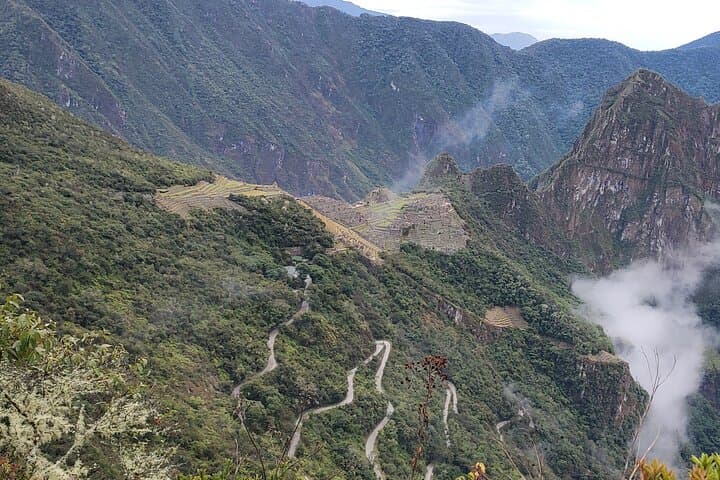
This route follows engineered Inca causeways, terraces and staircases carved into volcanic and granitic slopes centuries ago to connect mountain communities and sacred sites. You’ll pass archaeological waystations—Llactapata, Runkurakay, Sayacmarca—and cross biological zones from high puna to misty cloud forest where Q'ueuña trees and colorful hummingbirds claim the canopy. Local Quechua culture remains visible in place names, weaving traditions and the system of trail porters who still support treks.
Practically: permits are required and must be secured in advance; professional guides and porters handle logistics on this organized 4-day itinerary. Expect a highest pass of 4,215 m (Warmiwañusca), steep ascents and long days of hiking (up to 7–8 hours on day three). Nights are in organized camps with meals provided by expedition chefs. Altitude acclimatization in Cusco (3,400 m) for 1–2 days is strongly recommended.
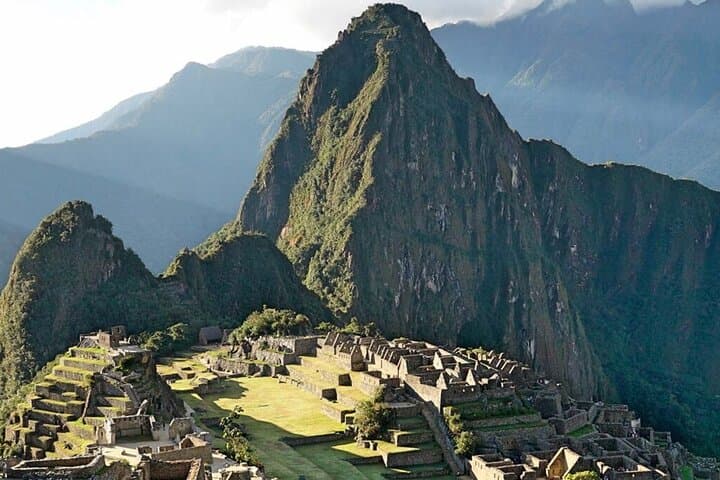
Plan layered clothing for temperature swings (5°C nights to sunny, cool days), sturdy boots with good grip, and 2–3 liters of daily water with electrolyte replacements. Move deliberately on descents; the trail’s ancient stonework is uneven. Timing your arrival at Intipunku (Sun Gate) for sunrise rewards you with the first full view of Machu Picchu—an earned reveal after four days of highland hiking.
challenging.
4 days.
Requires high aerobic fitness and endurance for sustained uphill and downhill hiking at altitude; prior multi-day trek experience recommended.
Yes—permits are limited and must be obtained in advance; they are tied to your passport and sold through licensed operators.
It’s the trail’s highest and steepest section (4,215 m) and a physical challenge—short steep climbs with altitude make it strenuous but manageable with fitness and pacing.
On organized 4-day treks, guides and camp staff provide tents, meals and a porter service for a small duffel (often up to 7 kg); personal sleeping bags are usually required or rentable.
Yes, but Huayna Picchu requires a separate timed ticket and limited capacity—book in advance if you plan to climb after arrival at Machu Picchu.
The Inca Trail was part of a vast network of paths (Qhapaq Ñan) linking administrative and religious centers; stonework and terraces date to the 15th century and earlier.
Strict visitor quotas, permit controls and certified operator rules aim to limit erosion and campsite impact; follow Leave No Trace and respect local guidelines for sanitation and waste.
Aremika Travel operates guided outdoor trips and adventures with an emphasis on safety, stewardship, and memorable experiences.
Dawn breaks over the high Andes as your group leaves Cusco and the road winds toward Piscacucho (km 82). Cold air bites at 2,720 m while porters shoulder canvas duffels and the Vilcanota River hurries below, daring you forward. On the trail stone stairways rise and fall, cloud forest tightens, and the silhouettes of snow-capped peaks come into view.
Dawn breaks over the high Andes as your group leaves Cusco and the road winds toward Piscacucho (km 82). Cold air bites at 2,720 m while porters shoulder canvas duffels and the Vilcanota River hurries below, daring you forward. On the trail stone stairways rise and fall, cloud forest tightens, and the silhouettes of snow-capped peaks come into view.
This route follows engineered Inca causeways, terraces and staircases carved into volcanic and granitic slopes centuries ago to connect mountain communities and sacred sites. You’ll pass archaeological waystations—Llactapata, Runkurakay, Sayacmarca—and cross biological zones from high puna to misty cloud forest where Q'ueuña trees and colorful hummingbirds claim the canopy. Local Quechua culture remains visible in place names, weaving traditions and the system of trail porters who still support treks.
Practically: permits are required and must be secured in advance; professional guides and porters handle logistics on this organized 4-day itinerary. Expect a highest pass of 4,215 m (Warmiwañusca), steep ascents and long days of hiking (up to 7–8 hours on day three). Nights are in organized camps with meals provided by expedition chefs. Altitude acclimatization in Cusco (3,400 m) for 1–2 days is strongly recommended.
Plan layered clothing for temperature swings (5°C nights to sunny, cool days), sturdy boots with good grip, and 2–3 liters of daily water with electrolyte replacements. Move deliberately on descents; the trail’s ancient stonework is uneven. Timing your arrival at Intipunku (Sun Gate) for sunrise rewards you with the first full view of Machu Picchu—an earned reveal after four days of highland hiking.