THE ADVENTURE COLLECTIVE® · Independent discovery and booking for outdoor travel

A four-day, permit-controlled trek from Km 82 to Machu Picchu that mixes high Andean passes and cloud-forest terraces. Expect steep ascents, granite stairways, tented camps and mandatory passports—this is the classic Inca Trail experience.
A four-day, permit-controlled trek from Km 82 to Machu Picchu that mixes high Andean passes and cloud-forest terraces. Expect steep ascents, granite stairways, tented camps and mandatory passports—this is the classic Inca Trail experience.
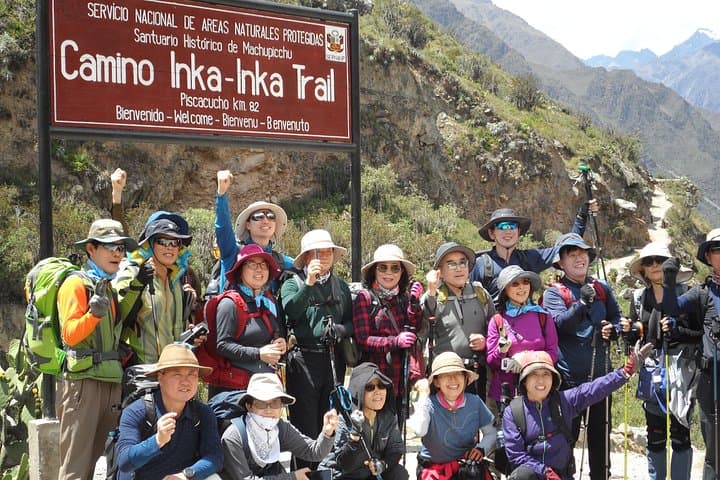
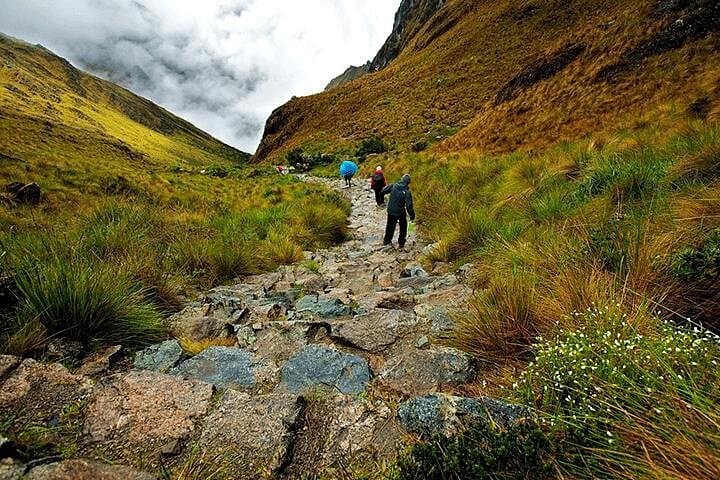
Dawn breaks on the Andean ridge as you set off from Km 82, the trailhead where mist lifts from terraced hills and granite stairways begin to dictate your pace. The path climbs, drops and tightens through puna and cloud forest; wind and sun feel like pace-setters as you move toward the silhouette of Machu Picchu.
Verified experiences and guided adventures in the surrounding area.
Operated by Grand America · Cusco, Cusco Region
Dawn breaks on the Andean ridge as you set off from Km 82, the trailhead where mist lifts from terraced hills and granite stairways begin to dictate your pace. The path climbs, drops and tightens through puna and cloud forest; wind and sun feel like pace-setters as you move toward the silhouette of Machu Picchu.
The Inca Trail is an engineered corridor of stonework and staircases built by the Inca to link sacred sites and administrative centers. Geologically you cross high volcanic and granite formations, then descend into a biodiverse cloud forest where humidity and orchids dominate. Culturally the route remains a pilgrimage: altars, shrines and named passes—like Warmiwañusca (Dead Woman’s Pass)—carry stories of ceremony and mountain guardians or apus.
Over four days expect roughly 40–45 km of walking with a highest pass near 4,200 m (13,800 ft). Camps are in tents; this itinerary includes cooks and camp crew who handle meals and gear. Permit-controlled access means passports and advance booking are mandatory.
Practical edge: acclimatize in Cusco for 48–72 hours, carry layered clothing for sharp temperature swings, and plan for heavy afternoon rains in the wet season. Use broken-in waterproof boots, a reliable rain jacket, and trekking poles to protect knees on steep descents. Keep a lightweight daypack with water (minimum 2–3 L), snacks, sunscreen and your passport — the day you enter Machu Picchu you’ll need it for checkpoint verification and the morning bus or final ascent.
This is classic high-Andean trekking: rewarding views, strict regulation, and a rustic, communal nights-under-the-stars routine.
challenging.
4 days.
Good aerobic fitness with experience hiking multi-day trails and comfortable with sustained uphill sections at altitude
Yes—permits are limited and tied to your passport; book well in advance through an authorized operator.
The route is physically demanding with long uphill days to about 4,200 m; prior acclimatization and moderate-to-strong fitness are important.
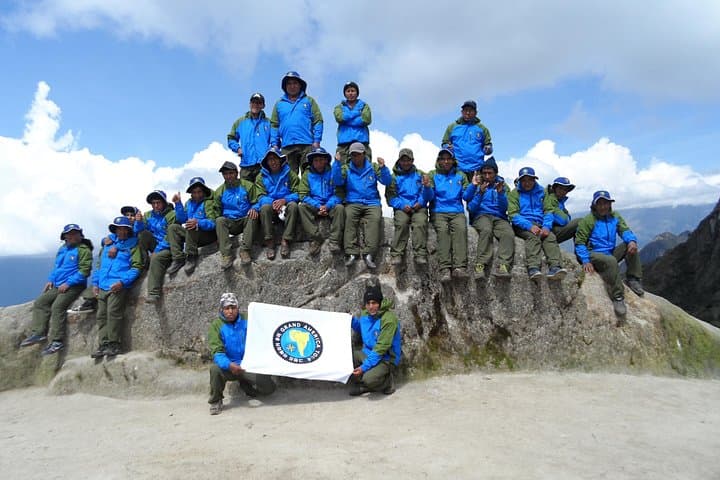
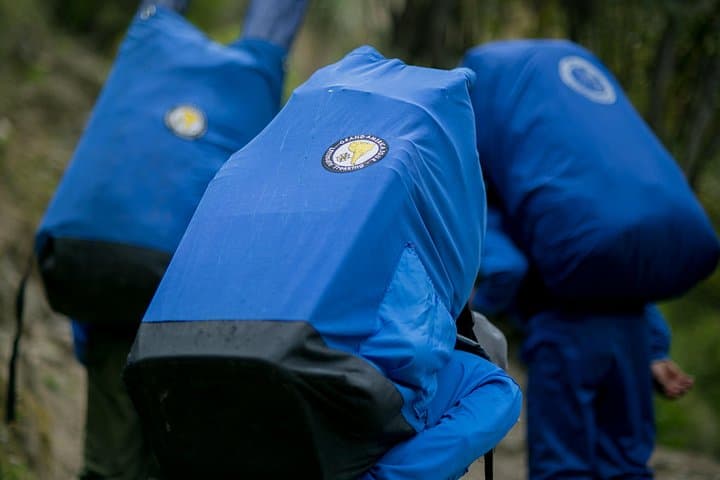
Many operators include tented camps, cooks and communal equipment; confirm whether personal porter service or bag limits apply before booking.
Trail access can be altered or closed due to heavy rain or landslides; local operators monitor conditions and may change schedules for safety.
The trail is an Inca-era route linking administrative and sacred sites, intentionally constructed with stone stairs and built viewpoints leading to Machu Picchu.
Access is strictly limited via permits to reduce erosion and overcrowding; follow Leave No Trace rules and respect campsite and trail restrictions to protect fragile cloud-forest ecosystems.
Grand America operates guided outdoor trips and adventures with an emphasis on safety, stewardship, and memorable experiences.
Dawn breaks on the Andean ridge as you set off from Km 82, the trailhead where mist lifts from terraced hills and granite stairways begin to dictate your pace. The path climbs, drops and tightens through puna and cloud forest; wind and sun feel like pace-setters as you move toward the silhouette of Machu Picchu.
Dawn breaks on the Andean ridge as you set off from Km 82, the trailhead where mist lifts from terraced hills and granite stairways begin to dictate your pace. The path climbs, drops and tightens through puna and cloud forest; wind and sun feel like pace-setters as you move toward the silhouette of Machu Picchu.
The Inca Trail is an engineered corridor of stonework and staircases built by the Inca to link sacred sites and administrative centers. Geologically you cross high volcanic and granite formations, then descend into a biodiverse cloud forest where humidity and orchids dominate. Culturally the route remains a pilgrimage: altars, shrines and named passes—like Warmiwañusca (Dead Woman’s Pass)—carry stories of ceremony and mountain guardians or apus.
Over four days expect roughly 40–45 km of walking with a highest pass near 4,200 m (13,800 ft). Camps are in tents; this itinerary includes cooks and camp crew who handle meals and gear. Permit-controlled access means passports and advance booking are mandatory.
Practical edge: acclimatize in Cusco for 48–72 hours, carry layered clothing for sharp temperature swings, and plan for heavy afternoon rains in the wet season. Use broken-in waterproof boots, a reliable rain jacket, and trekking poles to protect knees on steep descents. Keep a lightweight daypack with water (minimum 2–3 L), snacks, sunscreen and your passport — the day you enter Machu Picchu you’ll need it for checkpoint verification and the morning bus or final ascent.
This is classic high-Andean trekking: rewarding views, strict regulation, and a rustic, communal nights-under-the-stars routine.