THE ADVENTURE COLLECTIVE® · Independent discovery and booking for outdoor travel

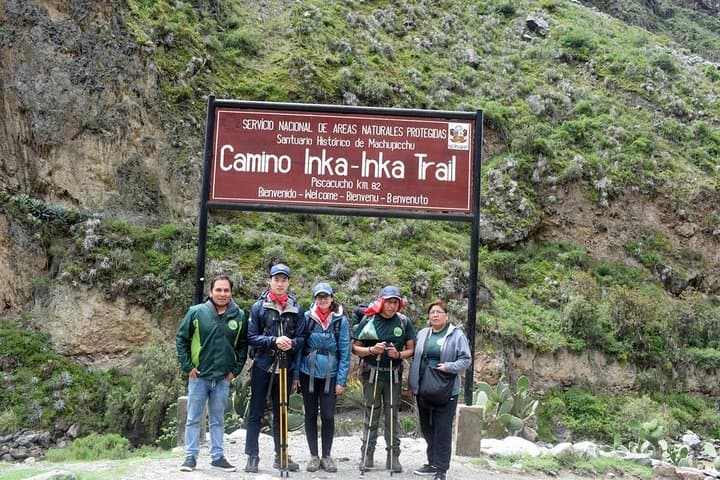
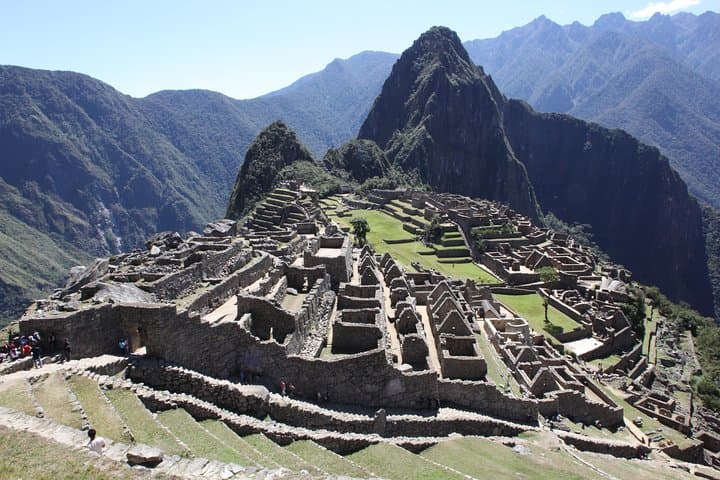
Walk the original stones of the Inca Trail on a four-day trek from Km 82 to the citadel of Machu Picchu. This classic route combines high passes, cloud forest, and multiple Inca sites—requiring good fitness and careful acclimatization.
Walk the original stones of the Inca Trail on a four-day trek from Km 82 to the citadel of Machu Picchu. This classic route combines high passes, cloud forest, and multiple Inca sites—requiring good fitness and careful acclimatization.
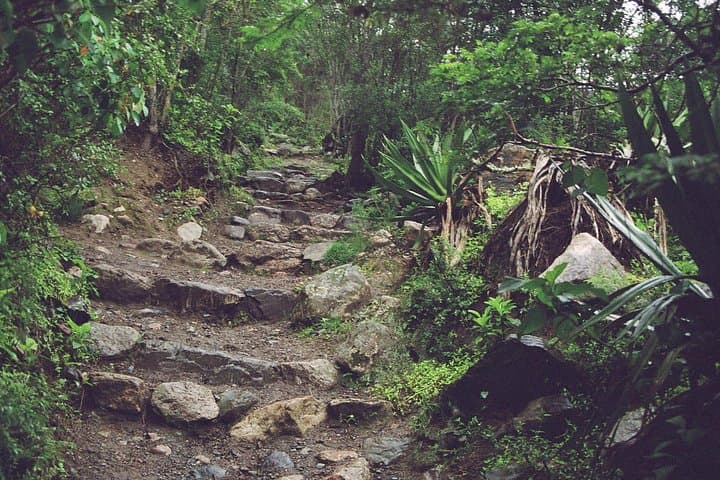
Pre-dawn in Cusco feels like a held breath: riders board a private bus toward Km 82, cloud forest edging the road as the Andes tighten into the Urubamba Valley. The trail takes you up through mossed stone steps and narrow paths where the mountains seem to lean in, the cloud-forest daring you onward, until you stand at Warmiwañusqa — the Dead Woman’s Pass — at roughly 4,200 meters and watch the wind rearrange the clouds.
Verified experiences and guided adventures in the surrounding area.
Operated by Aventuras EcotrekPeru Tour Operador · Cusco, Cusco
Pre-dawn in Cusco feels like a held breath: riders board a private bus toward Km 82, cloud forest edging the road as the Andes tighten into the Urubamba Valley. The trail takes you up through mossed stone steps and narrow paths where the mountains seem to lean in, the cloud-forest daring you onward, until you stand at Warmiwañusqa — the Dead Woman’s Pass — at roughly 4,200 meters and watch the wind rearrange the clouds.
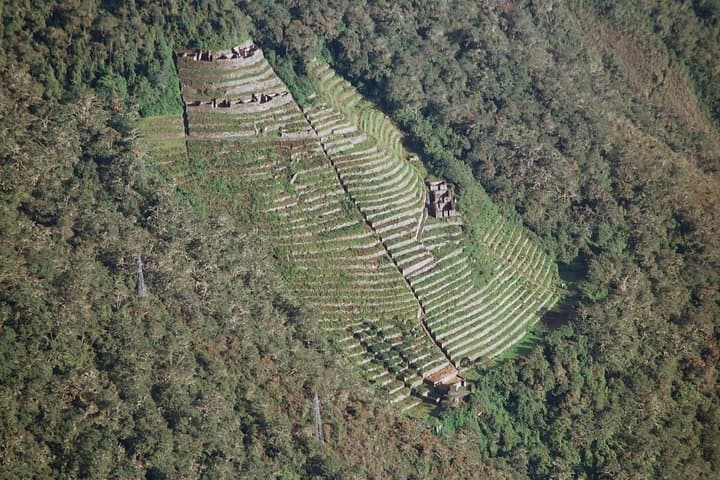
This four-day route follows roughly 43 km of original Inca caminos, a system of finely cut stone, terraces and drainage channels carved into volcanic and metamorphic bedrock. The trail threads archaeological sites—Runkurakay, Sayacmarca, Phuyupatamarca, and Wiñaywayna—each a practical piece of Inca engineering and ceremonial life. Porters, cooks and guides keep alive a contemporary highland culture: llama caravans have been replaced by human teams, but the rhythm of communal meals and nightly camps is unchanged.
Practical guidance: expect 4 days, ascent to 4,200 m and cumulative elevation gain around 1,200–1,600 m. Day two is the steepest; day three covers archaeological high points; day four begins before dawn to reach Inti Punku (Sun Gate) for sunrise over Machu Picchu at 2,430 m. Acclimatize in Cusco 48–72 hours, carry a light daypack, and layer for rapid weather shifts—rain and sun can trade places within an hour. Bring comfortable, broken-in boots, hydration, and respect the strict permit rules and park regulations. With proper preparation this trek is both a demanding hike and an intimate passage into Andean history.
challenging.
4 days.
High aerobic fitness recommended; frequent hikers who can handle steep ascents and high altitude will be most comfortable
Yes. Permits are required, limited daily, and linked to your passport—book through a licensed operator well in advance.
The trail is physically demanding mainly because of altitude; most hikers experience shortness of breath and should acclimatize beforehand.
Yes, most operators and many hostels in Cusco offer secure luggage storage so you only carry a daypack on the trail.
The dry season (May–September) offers more stable weather; the shoulder months can be quieter but expect daily showers year-round.
The trail was part of the Inca road network used for messengers, pilgrimage and state logistics, culminating at Machu Picchu—a 15th-century ceremonial and administrative center.
Permits limit daily numbers to reduce erosion and crowding; use licensed operators, pack out waste, and follow park rules to protect fragile highland ecosystems.
Aventuras EcotrekPeru Tour Operador operates guided outdoor trips and adventures with an emphasis on safety, stewardship, and memorable experiences.
Pre-dawn in Cusco feels like a held breath: riders board a private bus toward Km 82, cloud forest edging the road as the Andes tighten into the Urubamba Valley. The trail takes you up through mossed stone steps and narrow paths where the mountains seem to lean in, the cloud-forest daring you onward, until you stand at Warmiwañusqa — the Dead Woman’s Pass — at roughly 4,200 meters and watch the wind rearrange the clouds.
Pre-dawn in Cusco feels like a held breath: riders board a private bus toward Km 82, cloud forest edging the road as the Andes tighten into the Urubamba Valley. The trail takes you up through mossed stone steps and narrow paths where the mountains seem to lean in, the cloud-forest daring you onward, until you stand at Warmiwañusqa — the Dead Woman’s Pass — at roughly 4,200 meters and watch the wind rearrange the clouds.
This four-day route follows roughly 43 km of original Inca caminos, a system of finely cut stone, terraces and drainage channels carved into volcanic and metamorphic bedrock. The trail threads archaeological sites—Runkurakay, Sayacmarca, Phuyupatamarca, and Wiñaywayna—each a practical piece of Inca engineering and ceremonial life. Porters, cooks and guides keep alive a contemporary highland culture: llama caravans have been replaced by human teams, but the rhythm of communal meals and nightly camps is unchanged.
Practical guidance: expect 4 days, ascent to 4,200 m and cumulative elevation gain around 1,200–1,600 m. Day two is the steepest; day three covers archaeological high points; day four begins before dawn to reach Inti Punku (Sun Gate) for sunrise over Machu Picchu at 2,430 m. Acclimatize in Cusco 48–72 hours, carry a light daypack, and layer for rapid weather shifts—rain and sun can trade places within an hour. Bring comfortable, broken-in boots, hydration, and respect the strict permit rules and park regulations. With proper preparation this trek is both a demanding hike and an intimate passage into Andean history.