THE ADVENTURE COLLECTIVE® · Independent discovery and booking for outdoor travel

Walk the classic two-day Inca Trail from Kilometer 104 to Machu Picchu, passing Chachabamba, Wiñay Wayna and the Sun Gate. This compact itinerary pairs a guided ruins tour with an overnight in Aguas Calientes—ideal for travelers short on time but keen on an authentic trail experience.
Walk the classic two-day Inca Trail from Kilometer 104 to Machu Picchu, passing Chachabamba, Wiñay Wayna and the Sun Gate. This compact itinerary pairs a guided ruins tour with an overnight in Aguas Calientes—ideal for travelers short on time but keen on an authentic trail experience.
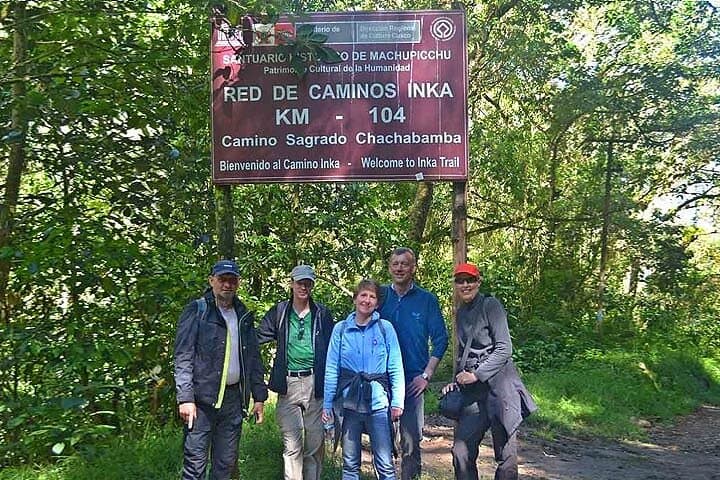
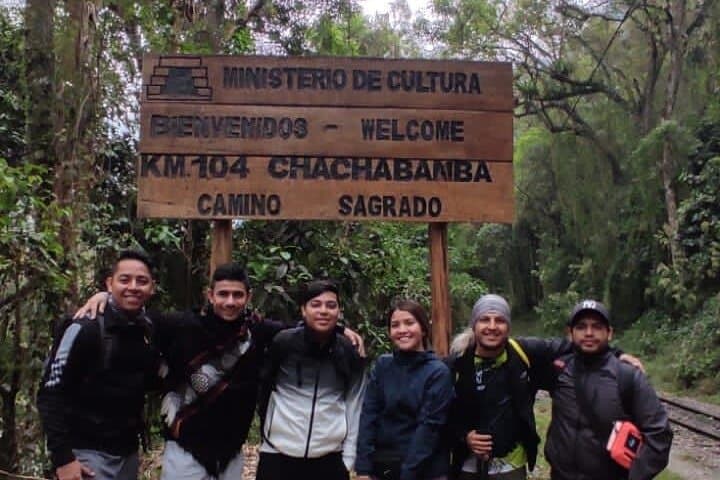
Dawn arrives as a cool mist threads through cloud forest and the first steps of the Inca Trail feel unexpectedly immediate — stone staircases hewn centuries ago, jungle ferns brushing your shoulders, the railway’s distant hum marking the modern world left behind.
Verified experiences and guided adventures in the surrounding area.
Operated by Trip Alpaca Adventure · Aguas Calientes, Cusco Region
Dawn arrives as a cool mist threads through cloud forest and the first steps of the Inca Trail feel unexpectedly immediate — stone staircases hewn centuries ago, jungle ferns brushing your shoulders, the railway’s distant hum marking the modern world left behind.
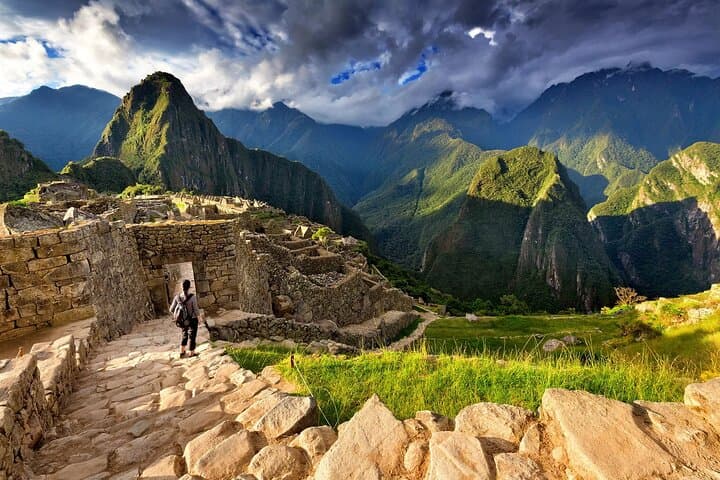
The two-day route follows the classic Kilometer 104 approach: Chachabamba’s low ruins, a climb of Inca steps past a waterfall, then the cultivated terraces of Wiñay Wayna before the late-afternoon reveal at Intipunku (Sun Gate). On day two a guided circuit through Machu Picchu’s plazas, temples and terraces gives context to the architecture: 15th-century stonework attributed to the reign of Pachacuti, sited where steep granite and river gorge meet cloud forest.
Geology here is abrupt — folded Andes rock and tropical microclimates create pockets of endemic orchids and hummingbirds. Culturally, the trail threads Inca agricultural sites and water channels, places still used for ritual and memory by local communities.
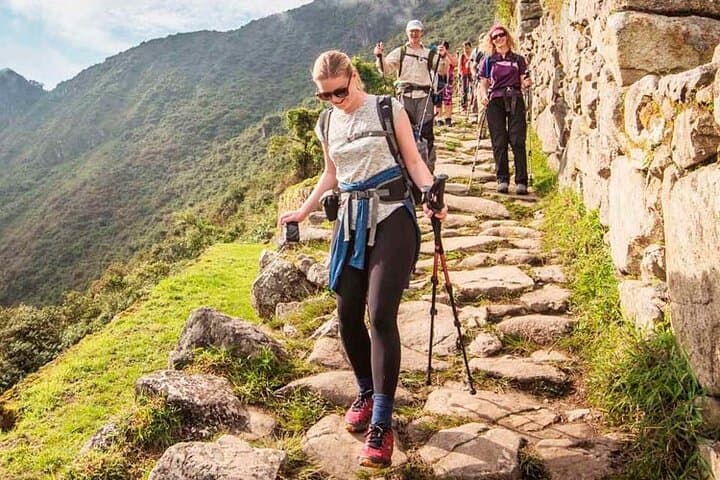
Practical guidance: expect steep ascents, many stone steps and altitudes above 2,000 m; moderate fitness and steady pace matter more than speed. The itinerary includes train transfers, one night in a 3-star hotel in Aguas Calientes, meals and entrance fees; permits limit daily hikers so bookings are required. Hydrate, layer for sudden rain and plan for uneven footing — trekking poles help on descents. Allow extra time in Cusco to acclimatize, and keep any trash on your person — the route is protected and visitor limits are enforced.
challenging.
2 days.
Suitable for hikers with good cardiovascular fitness who can manage steep stone steps and sustained uphill at high altitude.
Yes — the classic Inca Trail is controlled with limited permits; this operator includes entrance fees and secures permits as part of the booking.
Not for complete beginners; travelers should have moderate fitness and prior day-hiking experience, and should acclimatize in Cusco before starting.
Altitude can affect anyone. Rest, hydrate, avoid alcohol before the hike, and consider spending 1–2 nights in Cusco to acclimate; seek prompt help if symptoms worsen.
Only daypacks are carried on the trail; main luggage stays in Cusco/Aguas Calientes per operator policy—confirm specific transfer instructions at booking.
Machu Picchu was a 15th-century royal estate and religious site tied to Inca ruler Pachacuti; the trail connects agricultural sites and ceremonial viewpoints used by the Inca.
The classic Inca Trail is limited by daily permits and strict park rules; visitors should follow Leave No Trace principles and use authorized guides to reduce impact.
Trip Alpaca Adventure operates guided outdoor trips and adventures with an emphasis on safety, stewardship, and memorable experiences.
Dawn arrives as a cool mist threads through cloud forest and the first steps of the Inca Trail feel unexpectedly immediate — stone staircases hewn centuries ago, jungle ferns brushing your shoulders, the railway’s distant hum marking the modern world left behind.
Dawn arrives as a cool mist threads through cloud forest and the first steps of the Inca Trail feel unexpectedly immediate — stone staircases hewn centuries ago, jungle ferns brushing your shoulders, the railway’s distant hum marking the modern world left behind.
The two-day route follows the classic Kilometer 104 approach: Chachabamba’s low ruins, a climb of Inca steps past a waterfall, then the cultivated terraces of Wiñay Wayna before the late-afternoon reveal at Intipunku (Sun Gate). On day two a guided circuit through Machu Picchu’s plazas, temples and terraces gives context to the architecture: 15th-century stonework attributed to the reign of Pachacuti, sited where steep granite and river gorge meet cloud forest.
Geology here is abrupt — folded Andes rock and tropical microclimates create pockets of endemic orchids and hummingbirds. Culturally, the trail threads Inca agricultural sites and water channels, places still used for ritual and memory by local communities.
Practical guidance: expect steep ascents, many stone steps and altitudes above 2,000 m; moderate fitness and steady pace matter more than speed. The itinerary includes train transfers, one night in a 3-star hotel in Aguas Calientes, meals and entrance fees; permits limit daily hikers so bookings are required. Hydrate, layer for sudden rain and plan for uneven footing — trekking poles help on descents. Allow extra time in Cusco to acclimatize, and keep any trash on your person — the route is protected and visitor limits are enforced.