THE ADVENTURE COLLECTIVE® · Independent discovery and booking for outdoor travel

A focussed, two-day version of the classic Inca Trail that starts at Km 104 and takes you over original stonework to Intipunku, with an afternoon view of Machu Picchu. Perfect for travelers with limited time who want the trail experience plus a guided visit to the citadel.
A focussed, two-day version of the classic Inca Trail that starts at Km 104 and takes you over original stonework to Intipunku, with an afternoon view of Machu Picchu. Perfect for travelers with limited time who want the trail experience plus a guided visit to the citadel.
The morning air at Km 104 bites with highland clarity as the train releases its passengers onto gravel and stone. You step off into a corridor of cloud and birdcall, the Urubamba River daring you along the valley floor while the trail begins its steady climb toward Wiñayhuayna and the famous Intipunku—Sun Gate—where Machu Picchu first reveals itself.
Verified experiences and guided adventures in the surrounding area.
Operated by Cuzco Travel · Aguas Calientes, Cusco Region
The morning air at Km 104 bites with highland clarity as the train releases its passengers onto gravel and stone. You step off into a corridor of cloud and birdcall, the Urubamba River daring you along the valley floor while the trail begins its steady climb toward Wiñayhuayna and the famous Intipunku—Sun Gate—where Machu Picchu first reveals itself.
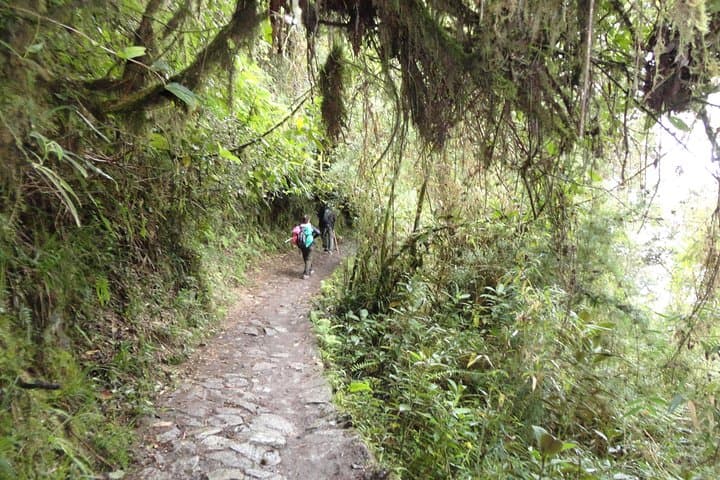
This short Inca Trail follows original stone causeways cut by engineers of the empire, passing archaeological terraces and strategic waystations. The route traces young Andes geology: folded volcanic and sedimentary layers carved by glaciers and rivers over millennia. Cultural traces—stone steps, niches, and agricultural benches—remind you this is a lived landscape, sacred to Quechua communities for generations.
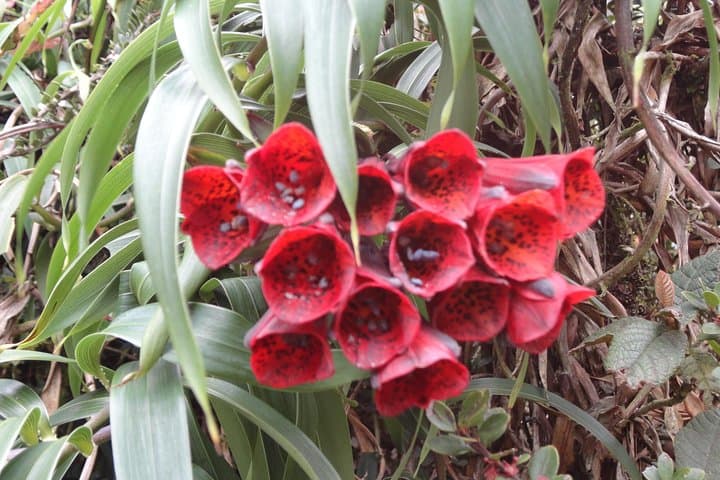
Expect about 15 kilometers total and a maximum route altitude near 2,750 meters. Terrain varies from packed earth and Inca stonework to narrow paths with steep stone staircases; afternoon storms can turn sections slick. Guides often weave history into the walk—how llamas and traders moved goods along these same steps—and point out native polylepis and orchid pockets clinging to cliffs.
Practical edge: start early to avoid crowds at Intipunku, carry 2–3 liters of water and a light rain layer, and pace your ascent to manage altitude. Wear supportive boots with good grip; trekking poles help on steeper descents. The itinerary includes train transfers, one night in Aguas Calientes, and a guided visit to Machu Picchu the next day—so plan for early wakeups, original ID for checkpoint entry, and flexible footwear for cobbled terraces. The trail is short but demands respect: hydration, steady pacing, and leave-no-trace discipline keep the path open for the next travelers.
moderate.
2 days (approx. 8–10 hours hiking total).
Moderate fitness—regular walkers who can handle sustained uphill and stairs at altitude will be comfortable.
Yes—this short route uses the regulated Inca Trail corridor. The operator includes the required Inca Trail entrance ticket in the package.
The maximum trail altitude is around 2,750 m, which is moderate; acclimatization in Cusco (3,400 m) for 1–2 days is strongly recommended to reduce symptoms of altitude sickness.
You must carry the original passport used when booking; checkpoints will request it for registration—no photocopies or digital IDs accepted.
Yes—most operators or hotels offer luggage storage; only small daypacks should be taken on the trail while main bags remain in Cusco or transported by the operator.
This route follows Inca-built pathways that linked administrative centers and sacred sites; many stone sections are original and were part of the empire’s road network.
Trail access is tightly regulated with daily visitor limits to protect fragile archaeological sites and cloudforest ecosystems; stick to paths and carry out all waste.
Cuzco Travel operates guided outdoor trips and adventures with an emphasis on safety, stewardship, and memorable experiences.


The morning air at Km 104 bites with highland clarity as the train releases its passengers onto gravel and stone. You step off into a corridor of cloud and birdcall, the Urubamba River daring you along the valley floor while the trail begins its steady climb toward Wiñayhuayna and the famous Intipunku—Sun Gate—where Machu Picchu first reveals itself.
The morning air at Km 104 bites with highland clarity as the train releases its passengers onto gravel and stone. You step off into a corridor of cloud and birdcall, the Urubamba River daring you along the valley floor while the trail begins its steady climb toward Wiñayhuayna and the famous Intipunku—Sun Gate—where Machu Picchu first reveals itself.
This short Inca Trail follows original stone causeways cut by engineers of the empire, passing archaeological terraces and strategic waystations. The route traces young Andes geology: folded volcanic and sedimentary layers carved by glaciers and rivers over millennia. Cultural traces—stone steps, niches, and agricultural benches—remind you this is a lived landscape, sacred to Quechua communities for generations.
Expect about 15 kilometers total and a maximum route altitude near 2,750 meters. Terrain varies from packed earth and Inca stonework to narrow paths with steep stone staircases; afternoon storms can turn sections slick. Guides often weave history into the walk—how llamas and traders moved goods along these same steps—and point out native polylepis and orchid pockets clinging to cliffs.
Practical edge: start early to avoid crowds at Intipunku, carry 2–3 liters of water and a light rain layer, and pace your ascent to manage altitude. Wear supportive boots with good grip; trekking poles help on steeper descents. The itinerary includes train transfers, one night in Aguas Calientes, and a guided visit to Machu Picchu the next day—so plan for early wakeups, original ID for checkpoint entry, and flexible footwear for cobbled terraces. The trail is short but demands respect: hydration, steady pacing, and leave-no-trace discipline keep the path open for the next travelers.