THE ADVENTURE COLLECTIVE® · Independent discovery and booking for outdoor travel

A four‑day mixed‑terrain adventure from Cusco that combines a 55 km mountain‑bike descent, jungle trekking, optional rafting and zipline, and a guided visit to Machu Picchu. Expect long descents, hot springs, and a final day inside one of the New Seven Wonders.
A four‑day mixed‑terrain adventure from Cusco that combines a 55 km mountain‑bike descent, jungle trekking, optional rafting and zipline, and a guided visit to Machu Picchu. Expect long descents, hot springs, and a final day inside one of the New Seven Wonders.
You push off from Abra Málaga at dawn, the air thin and sharp at 4,350 m as the first light cuts across serrated ridgelines. A long descent follows — 55 km of gravel and dirt track where the wind and the bike set the pace, and the Andes hand the landscape over to subtropical slopes. By late afternoon the heat and the jungle’s green replace the high‑altitude cold.
Verified experiences and guided adventures in the surrounding area.
Operated by Apu Ausangate Trek · Cusco, Cusco
You push off from Abra Málaga at dawn, the air thin and sharp at 4,350 m as the first light cuts across serrated ridgelines. A long descent follows — 55 km of gravel and dirt track where the wind and the bike set the pace, and the Andes hand the landscape over to subtropical slopes. By late afternoon the heat and the jungle’s green replace the high‑altitude cold.
This route threads recent railway towns, original Inca trail segments and river valleys used for centuries to link Andean settlements with the Vilcabamba refuge. Geologically you pass volcanic and metamorphic ridges into younger alluvial terraces; culturally you encounter coffee farms and small Quechua‑speaking communities who still work the land much as their ancestors did.
Expect varied terrain: high mountain passes, single‑track descents, farm roads, a flat walk alongside the Hidroelectrica rail line, and stepped Inca sections. Highlights include a controlled rafting option on the Vilcanota (class III–III+), Cocalmayo hot springs, a zipline near Santa Teresa, and the final approach to Machu Picchu via Aguas Calientes. The site visit includes a guided 2‑hour tour and time to explore terraces and the Intihuatana.
Practicalities: bring layered clothing for 4,350 m to ~2,000 m shifts, a well‑broken‑in mountain bike or be ready to use provided bikes, and waterproof footwear for muddy sections. Hydrate early, pace your descent on technical singletrack, and plan for early starts to avoid afternoon rain on shoulder months. The trip balances adrenaline and archaeology — you’ll finish where stonework and cloud meet.
moderate.
4 days.
Moderate cardio and leg strength for long descents, several 3‑hour hikes, and optional rafting and zipline; able to ride a mountain bike on mixed terrain.
Yes — the trip includes the entrance ticket for the Machu Picchu archaeological site and a guided 2‑hour tour.
Yes — professional bicycles and riding equipment are provided; guides give a safety and route briefing before the descent.
Rafting is offered with life jackets and helmets but Peruvian operators require participants to be able to swim for safety; check alternatives if you prefer not to raft.
The itinerary includes a train from Aguas Calientes back toward Ollantaytambo and bus/transport onward to Cusco; train times vary by availability.
This corridor links the high Andean heartland around Cusco to the Vilcabamba refuge used by Inca groups; stone paths and terraces reflect centuries of pre‑Hispanic engineering.
The route passes fragile cloud‑forest and river corridors; stick to trails, avoid single‑use plastics, and respect local farming plots to reduce erosion and waste.
Apu Ausangate Trek operates guided outdoor trips and adventures with an emphasis on safety, stewardship, and memorable experiences.
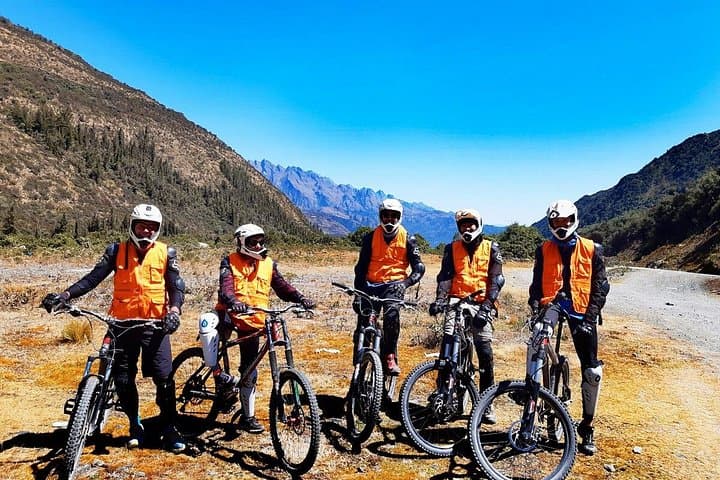
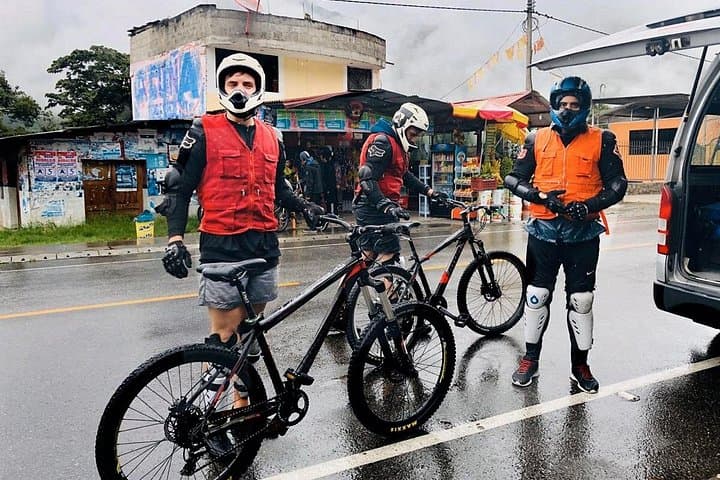
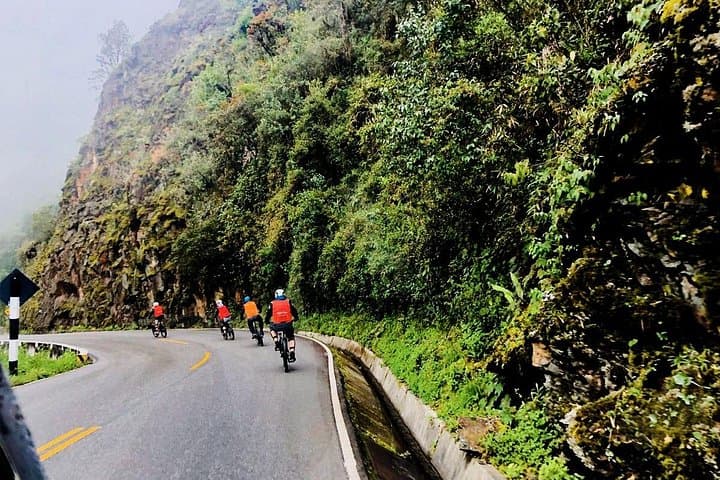
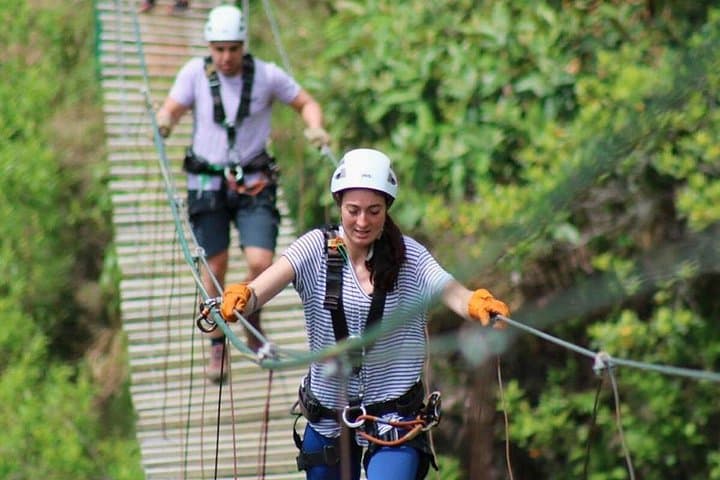
You push off from Abra Málaga at dawn, the air thin and sharp at 4,350 m as the first light cuts across serrated ridgelines. A long descent follows — 55 km of gravel and dirt track where the wind and the bike set the pace, and the Andes hand the landscape over to subtropical slopes. By late afternoon the heat and the jungle’s green replace the high‑altitude cold.
You push off from Abra Málaga at dawn, the air thin and sharp at 4,350 m as the first light cuts across serrated ridgelines. A long descent follows — 55 km of gravel and dirt track where the wind and the bike set the pace, and the Andes hand the landscape over to subtropical slopes. By late afternoon the heat and the jungle’s green replace the high‑altitude cold.
This route threads recent railway towns, original Inca trail segments and river valleys used for centuries to link Andean settlements with the Vilcabamba refuge. Geologically you pass volcanic and metamorphic ridges into younger alluvial terraces; culturally you encounter coffee farms and small Quechua‑speaking communities who still work the land much as their ancestors did.
Expect varied terrain: high mountain passes, single‑track descents, farm roads, a flat walk alongside the Hidroelectrica rail line, and stepped Inca sections. Highlights include a controlled rafting option on the Vilcanota (class III–III+), Cocalmayo hot springs, a zipline near Santa Teresa, and the final approach to Machu Picchu via Aguas Calientes. The site visit includes a guided 2‑hour tour and time to explore terraces and the Intihuatana.
Practicalities: bring layered clothing for 4,350 m to ~2,000 m shifts, a well‑broken‑in mountain bike or be ready to use provided bikes, and waterproof footwear for muddy sections. Hydrate early, pace your descent on technical singletrack, and plan for early starts to avoid afternoon rain on shoulder months. The trip balances adrenaline and archaeology — you’ll finish where stonework and cloud meet.