THE ADVENTURE COLLECTIVE® · Independent discovery and booking for outdoor travel

A four-day hybrid of mountain biking and trekking that drops from Abra Málaga into the high jungle, passing hot springs and rail lines en route to Machu Picchu. Expect long descents, jungle trails, optional river sports and a guided visit to the Inca citadel.
A four-day hybrid of mountain biking and trekking that drops from Abra Málaga into the high jungle, passing hot springs and rail lines en route to Machu Picchu. Expect long descents, jungle trails, optional river sports and a guided visit to the Inca citadel.
Dawn breaks over Abra Málaga and the air tastes of wet stone and coffee; you mount a bike, tires humming as the path peels away toward the cloud forest. The first day is a 60 km descent through high-jungle switchbacks, a running conversation between gravity and your brakes, then a walk that trades cliffside views for banana and avocado groves.
Verified experiences and guided adventures in the surrounding area.
Operated by Ausangate trail · Cusco, Cusco Region
Dawn breaks over Abra Málaga and the air tastes of wet stone and coffee; you mount a bike, tires humming as the path peels away toward the cloud forest. The first day is a 60 km descent through high-jungle switchbacks, a running conversation between gravity and your brakes, then a walk that trades cliffside views for banana and avocado groves.
This itinerary threads modern adventure across old Inca ways. The route follows sections of the original path that once linked Machu Picchu to Vilcabamba, passing terraces, irrigation lines and settlements that bear the region’s colonial and pre-Columbian echoes. Geologically the valley is young and steep—rivers carve quickly here, creating the hydroelectric line and the rail corridor you’ll follow into Aguas Calientes.
Locally the culture is coffee, citrus and hospitality: roadside restaurants serve hearty lunches; small hostels in Santa Teresa and Aguas Calientes provide basic comfort after long days. Ecologically, the high jungle hosts dense vegetation, hummingbirds and orchids; rivers dare you with their whitewater if you opt for rafting.
Practical guidance: expect four days of mixed biking and trekking with significant altitude change (from ~4,350 m at Abra Málaga down to ~2,000 m and lower). Bring layered, quick-dry clothing, a reliable helmet if you prefer your own, and a small daypack for trail essentials. Hydrate at every stop and regulate pace on steep descents. Plan return logistics in advance—train seats to Ollantaytambo sell out—and reserve Machu Picchu tickets early if you want Huayna Picchu. This trip rewards stamina with raw, varied terrain and a culminating visit to the citadel itself.
moderate.
4 days.
Good aerobic fitness and comfort with full days of walking plus a long day of downhill mountain biking; prior multi-day trek experience recommended
Moderate mountain biking skill is recommended—much of the first day is a long descent on mixed surfaces; guides provide bikes and helmets but you should be confident on downhill terrain.
Trekking sections are moderate: several 3–4 hour walking days over uneven trail with some steep sections, suitable for those used to full-day hikes.
Both are typically offered as optional add-ons in Santa María/Santa Teresa at extra cost and depend on river levels and provider schedules.
Options include train from Aguas Calientes to Ollantaytambo plus bus to Cusco (extra cost), or the longer bus transfer from Hidroeléctrica; book trains early.
The path follows sections of ancient Inca routes linking Machu Picchu with Vilcabamba; many of the stone terraces and irrigation features date to late pre-Columbian occupation.
Stick to marked trails, avoid single-use plastics and follow guide instructions; Machu Picchu visitor limits and permit systems reduce impact on the citadel and surrounding cloud forest.
Ausangate trail operates guided outdoor trips and adventures with an emphasis on safety, stewardship, and memorable experiences.
Dawn breaks over Abra Málaga and the air tastes of wet stone and coffee; you mount a bike, tires humming as the path peels away toward the cloud forest. The first day is a 60 km descent through high-jungle switchbacks, a running conversation between gravity and your brakes, then a walk that trades cliffside views for banana and avocado groves.
Dawn breaks over Abra Málaga and the air tastes of wet stone and coffee; you mount a bike, tires humming as the path peels away toward the cloud forest. The first day is a 60 km descent through high-jungle switchbacks, a running conversation between gravity and your brakes, then a walk that trades cliffside views for banana and avocado groves.
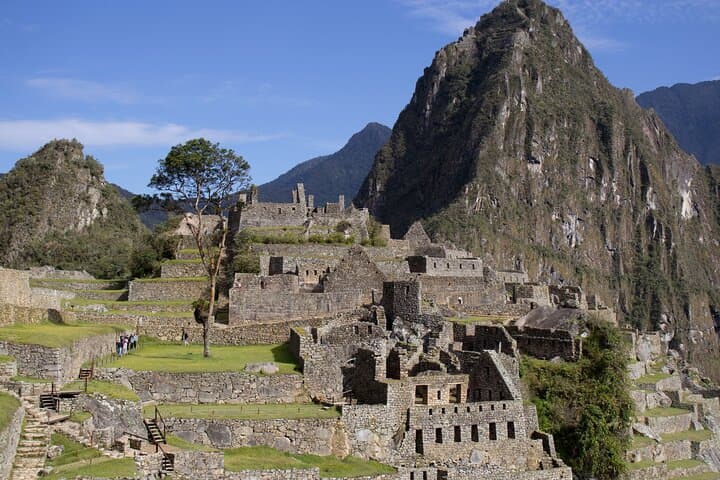
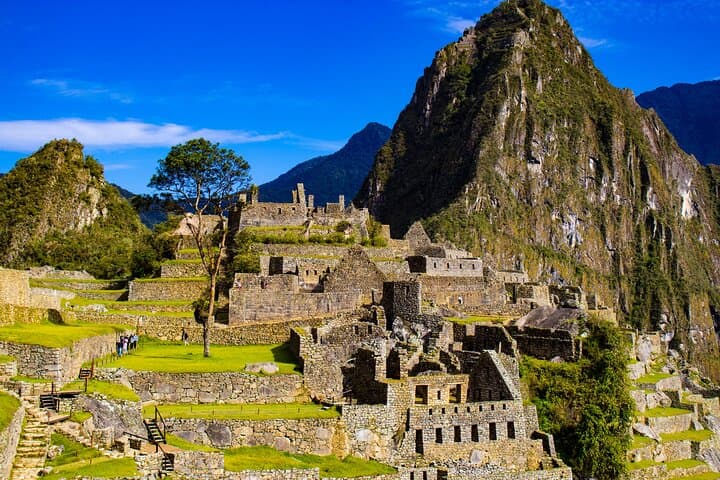
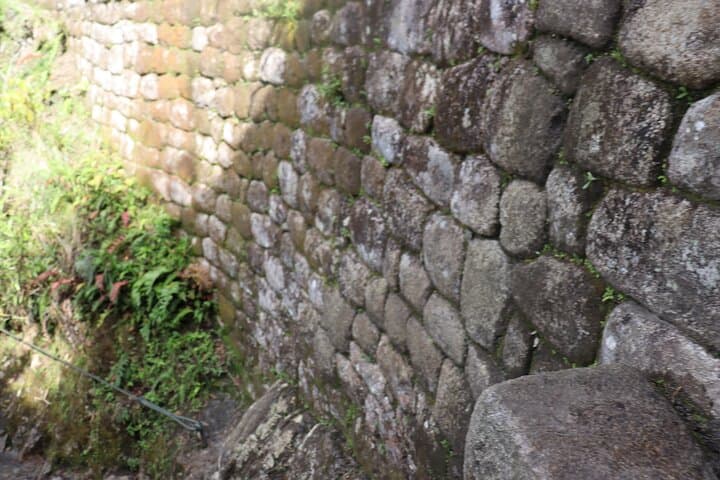
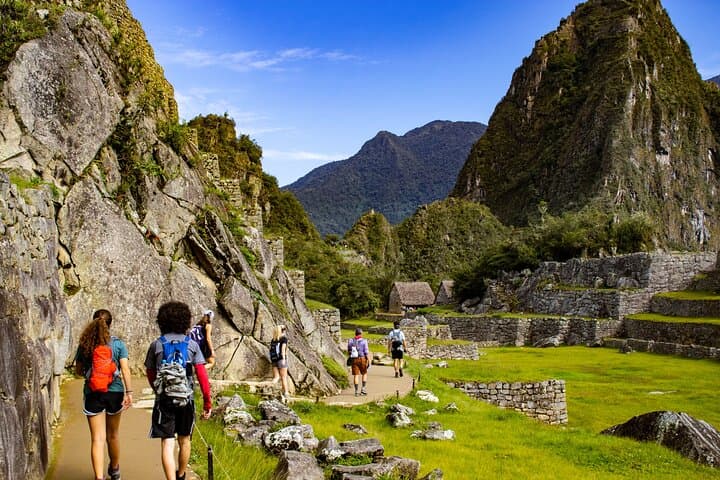
This itinerary threads modern adventure across old Inca ways. The route follows sections of the original path that once linked Machu Picchu to Vilcabamba, passing terraces, irrigation lines and settlements that bear the region’s colonial and pre-Columbian echoes. Geologically the valley is young and steep—rivers carve quickly here, creating the hydroelectric line and the rail corridor you’ll follow into Aguas Calientes.
Locally the culture is coffee, citrus and hospitality: roadside restaurants serve hearty lunches; small hostels in Santa Teresa and Aguas Calientes provide basic comfort after long days. Ecologically, the high jungle hosts dense vegetation, hummingbirds and orchids; rivers dare you with their whitewater if you opt for rafting.
Practical guidance: expect four days of mixed biking and trekking with significant altitude change (from ~4,350 m at Abra Málaga down to ~2,000 m and lower). Bring layered, quick-dry clothing, a reliable helmet if you prefer your own, and a small daypack for trail essentials. Hydrate at every stop and regulate pace on steep descents. Plan return logistics in advance—train seats to Ollantaytambo sell out—and reserve Machu Picchu tickets early if you want Huayna Picchu. This trip rewards stamina with raw, varied terrain and a culminating visit to the citadel itself.