THE ADVENTURE COLLECTIVE® · Independent discovery and booking for outdoor travel

Ride down from Abra Málaga, trek through cloud forest and arrive in time for a Machu Picchu sunrise. This three-day Inca Jungle route blends fast mountain biking, jungle trekking and optional rafting or zip-line for a compact adventure into one of Peru's most dramatic corridors.
Ride down from Abra Málaga, trek through cloud forest and arrive in time for a Machu Picchu sunrise. This three-day Inca Jungle route blends fast mountain biking, jungle trekking and optional rafting or zip-line for a compact adventure into one of Peru's most dramatic corridors.
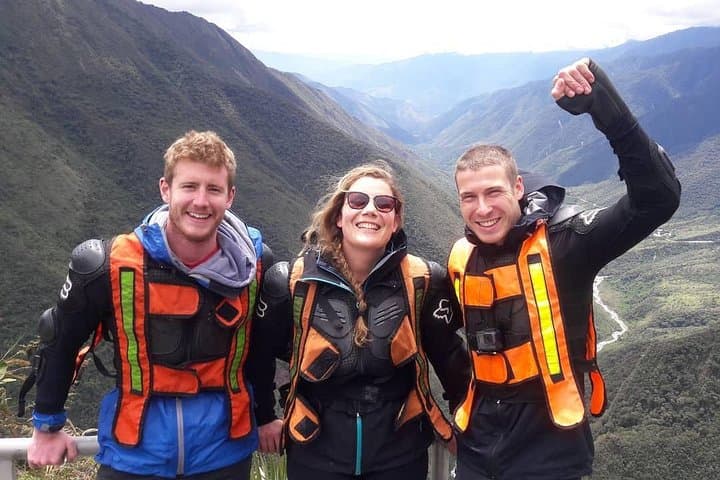
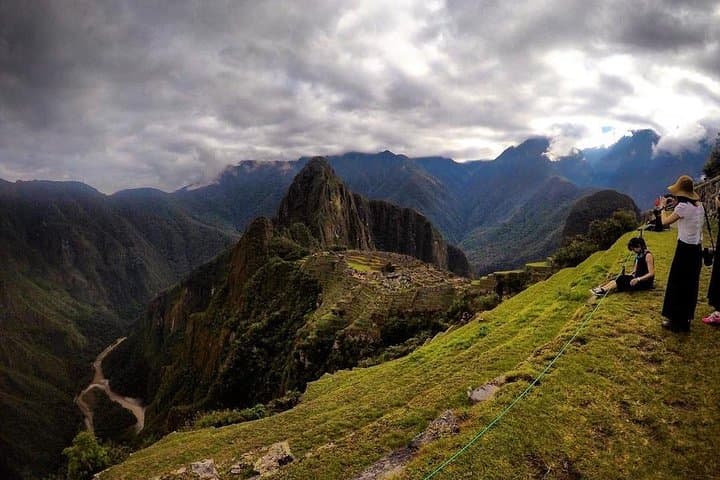
Dawn arrives cold and clear atop Abra Málaga at 4,350 meters, the wind pushing you toward a long descent — a ribbon of gravel and switchbacks that dares you to lean in. Over three days the route drops from high puna into the lush Yungas, mixing fast singletrack, jungle footpaths and a final early-morning climb into the citadel at Machu Picchu.
Verified experiences and guided adventures in the surrounding area.
Operated by inca machu picchu tours · Cusco, Cusco
Dawn arrives cold and clear atop Abra Málaga at 4,350 meters, the wind pushing you toward a long descent — a ribbon of gravel and switchbacks that dares you to lean in. Over three days the route drops from high puna into the lush Yungas, mixing fast singletrack, jungle footpaths and a final early-morning climb into the citadel at Machu Picchu.
This corridor is layered with history: old Inca footpaths cut into steep terraces and, later, the hydroelectric rail line that opened access to Aguas Calientes. Geologically the landscape shifts quickly — weathered volcanic ridges at high elevation give way to steep river valleys and humid cloud forest, where orchids and bromeliads crowd the understory.
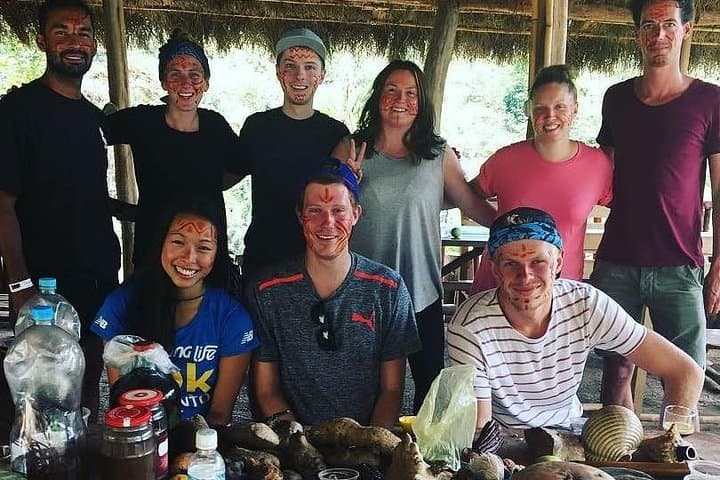
Culturally the trek threads through small farming communities and market towns; you may stop at roadside stalls selling local fruits and cassava. Guides explain Inca terrace engineering and the modern conservation challenges around heavy foot traffic at Machu Picchu.
Practical guidance: expect three active days with significant altitude change — bikes provided are full suspension and descent-focused, but riders must handle long, technical downhills. The Aguas Calientes approach includes a 1.5–2 hour climb to the citadel for sunrise; leave early and bring a headlamp. Optional rafting (Apr–Dec) is class III–III+ and requires basic swimming ability. Accommodation ranges from local lodges to basic hostels; meals listed include two breakfasts, two lunches and two dinners. Carry layered clothing, waterproof protection and enough cash for optional activities and snacks. Pace yourself on the descent and on the Machu Picchu ascent — the thin air will remind you it is still high Andes work.
moderate.
3 days.
Moderate fitness: able to ride sustained descents, hike several hours with elevation gain, and tolerate high-altitude exertion.
Yes, the tour includes the Machu Picchu entrance ticket as listed in the program.
Riders should have basic off-road descent skills; guides provide helmets and gloves, but very novice cyclists may find the steep, technical descents challenging.
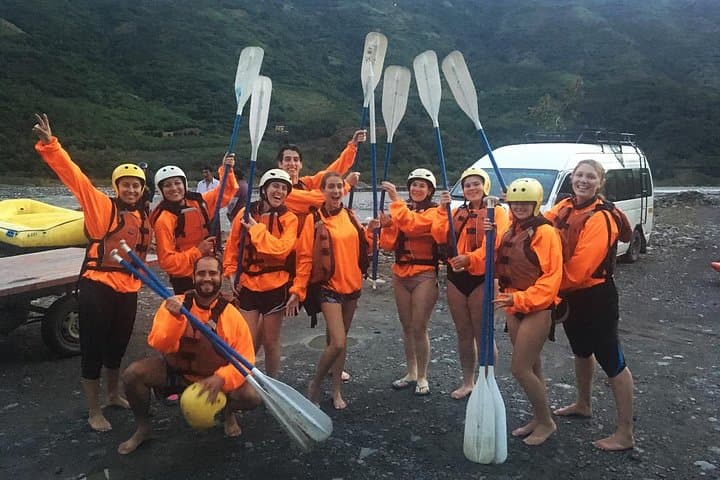
Rafting on the Vilcanota/Urubamba is offered as an optional activity between April and December and is rated class III–III+; swimming ability is required.
The trip includes one night in a hotel in Santa María and one night in a local hostel or house with basic services; private rooms are limited and depend on availability.
The route follows sections of lesser-known Inca pathways and later roads that linked highland Cusco with the jungle valleys; the hydroelectric railway later opened a new access route to Aguas Calientes.
Stick to established trails, pack out all waste and respect local restrictions at Machu Picchu — visitor caps and guided windows help limit impact on the site.
inca machu picchu tours operates guided outdoor trips and adventures with an emphasis on safety, stewardship, and memorable experiences.
Dawn arrives cold and clear atop Abra Málaga at 4,350 meters, the wind pushing you toward a long descent — a ribbon of gravel and switchbacks that dares you to lean in. Over three days the route drops from high puna into the lush Yungas, mixing fast singletrack, jungle footpaths and a final early-morning climb into the citadel at Machu Picchu.
Dawn arrives cold and clear atop Abra Málaga at 4,350 meters, the wind pushing you toward a long descent — a ribbon of gravel and switchbacks that dares you to lean in. Over three days the route drops from high puna into the lush Yungas, mixing fast singletrack, jungle footpaths and a final early-morning climb into the citadel at Machu Picchu.
This corridor is layered with history: old Inca footpaths cut into steep terraces and, later, the hydroelectric rail line that opened access to Aguas Calientes. Geologically the landscape shifts quickly — weathered volcanic ridges at high elevation give way to steep river valleys and humid cloud forest, where orchids and bromeliads crowd the understory.
Culturally the trek threads through small farming communities and market towns; you may stop at roadside stalls selling local fruits and cassava. Guides explain Inca terrace engineering and the modern conservation challenges around heavy foot traffic at Machu Picchu.
Practical guidance: expect three active days with significant altitude change — bikes provided are full suspension and descent-focused, but riders must handle long, technical downhills. The Aguas Calientes approach includes a 1.5–2 hour climb to the citadel for sunrise; leave early and bring a headlamp. Optional rafting (Apr–Dec) is class III–III+ and requires basic swimming ability. Accommodation ranges from local lodges to basic hostels; meals listed include two breakfasts, two lunches and two dinners. Carry layered clothing, waterproof protection and enough cash for optional activities and snacks. Pace yourself on the descent and on the Machu Picchu ascent — the thin air will remind you it is still high Andes work.