THE ADVENTURE COLLECTIVE® · Independent discovery and booking for outdoor travel

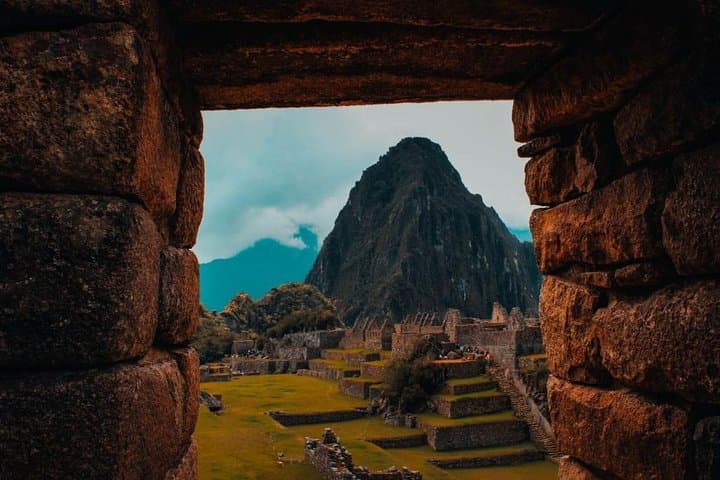
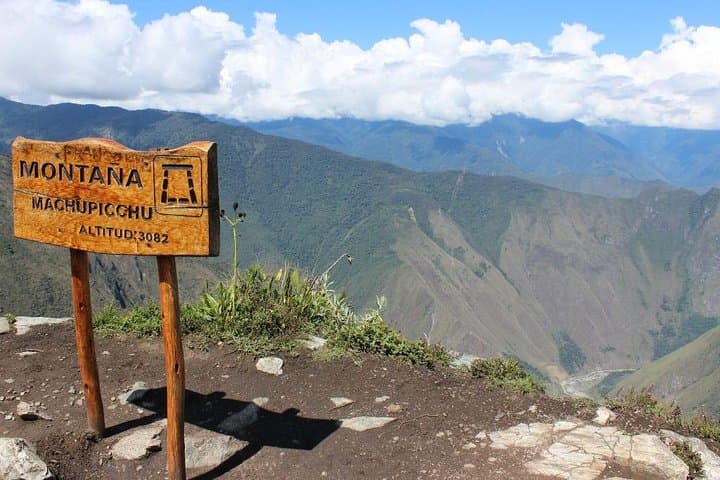
Trade a single long trek for four days of varied motion: mountain biking from Abra Málaga, rafting the Urubamba, ziplines through cloud forest and an early rise to Machu Picchu. This mixed-adventure route turns the classic Inca approach into a high-energy jungle corridor.
Trade a single long trek for four days of varied motion: mountain biking from Abra Málaga, rafting the Urubamba, ziplines through cloud forest and an early rise to Machu Picchu. This mixed-adventure route turns the classic Inca approach into a high-energy jungle corridor.
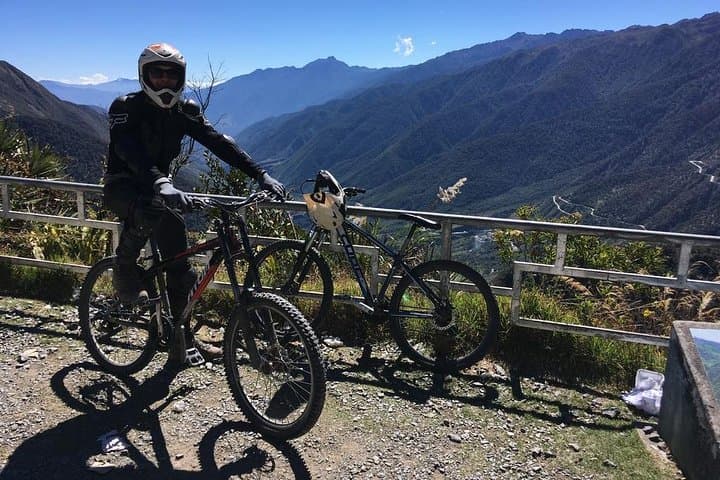
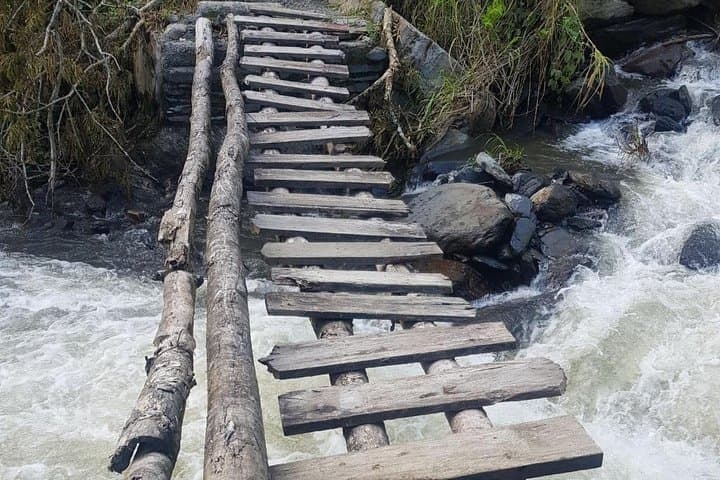
Dawn breaks over the high Andean ridge as riders clip into bikes and buses rumble toward Abra Málaga. The air shifts from thin, cold mountain breath to warm, humid jungle within hours; banana leaves slap at the trail and river rapids hiss below. This is the Inca Jungle route — a kinetic, multi-sport approach to reaching Machu Picchu that mixes singletrack descents, river runs, canopy zips and a final walk along the railway into Aguas Calientes.
Verified experiences and guided adventures in the surrounding area.
Operated by PaRa Travels · Aguas Calientes, Cusco Region
Dawn breaks over the high Andean ridge as riders clip into bikes and buses rumble toward Abra Málaga. The air shifts from thin, cold mountain breath to warm, humid jungle within hours; banana leaves slap at the trail and river rapids hiss below. This is the Inca Jungle route — a kinetic, multi-sport approach to reaching Machu Picchu that mixes singletrack descents, river runs, canopy zips and a final walk along the railway into Aguas Calientes.
The route repurposes old Inca stone paths where available, threads through cloud forest and valley terracing, and passes small archaeological sites and colonial-era waysides. Geologically this corridor is a sharp transition from Andean granitic highs to the sedimentary folds of the eastern slope; erosional canyons and thermal springs reflect that change. Culturally, the journey moves through Quechua-speaking villages where coffee and coca leaves are part of daily life, and local guides commonly explain medicinal plants and traditional crops.
Practically, expect four active days: a steep 2–3 hour bike descent, optional whitewater rafting on the Urubamba, zipline circuits near Cocalmayo, and a 4 a.m. approach to Machu Picchu with a 1,200-step jungle stair for those choosing to hike. Accommodations are basic hostels in Santa Maria, Santa Teresa and Aguas Calientes; meals are included. Prepare for rapid weather shifts — mornings on the ridge are cold, afternoons in the valley humid. Bring layered clothing, good trail shoes, a hydration pack, and a small daypack for valuables. Allow extra time for altitude adjustment in Cusco before departure; that will make the jungle sections far more enjoyable.
moderate.
4 days.
Moderate level of fitness; you should be comfortable with full days of hiking, a long bike descent, and short bursts of paddling or climbing.
Tickets to Machu Picchu are included in this tour; the operator handles park entry so you do not need an additional permit.
The descent can be steep and technical in places; basic mountain biking experience and comfort on uneven tracks are recommended.
Yes—many operators allow optional participation; inform the guide in advance and carry small cash for optional extras.
Tours often rearrange the sequence of activities or substitute alternatives; severe weather can lead to cancellations with policies defined by the operator.
Sections of the route follow original Inca pathways and pass small archaeological ruins used historically for communication and agriculture on the eastern slope.
The area spans fragile cloud-forest habitats; stick to paths, avoid single-use plastics and follow local guide rules to limit erosion and disturbance.
PaRa Travels operates guided outdoor trips and adventures with an emphasis on safety, stewardship, and memorable experiences.
Dawn breaks over the high Andean ridge as riders clip into bikes and buses rumble toward Abra Málaga. The air shifts from thin, cold mountain breath to warm, humid jungle within hours; banana leaves slap at the trail and river rapids hiss below. This is the Inca Jungle route — a kinetic, multi-sport approach to reaching Machu Picchu that mixes singletrack descents, river runs, canopy zips and a final walk along the railway into Aguas Calientes.
Dawn breaks over the high Andean ridge as riders clip into bikes and buses rumble toward Abra Málaga. The air shifts from thin, cold mountain breath to warm, humid jungle within hours; banana leaves slap at the trail and river rapids hiss below. This is the Inca Jungle route — a kinetic, multi-sport approach to reaching Machu Picchu that mixes singletrack descents, river runs, canopy zips and a final walk along the railway into Aguas Calientes.
The route repurposes old Inca stone paths where available, threads through cloud forest and valley terracing, and passes small archaeological sites and colonial-era waysides. Geologically this corridor is a sharp transition from Andean granitic highs to the sedimentary folds of the eastern slope; erosional canyons and thermal springs reflect that change. Culturally, the journey moves through Quechua-speaking villages where coffee and coca leaves are part of daily life, and local guides commonly explain medicinal plants and traditional crops.
Practically, expect four active days: a steep 2–3 hour bike descent, optional whitewater rafting on the Urubamba, zipline circuits near Cocalmayo, and a 4 a.m. approach to Machu Picchu with a 1,200-step jungle stair for those choosing to hike. Accommodations are basic hostels in Santa Maria, Santa Teresa and Aguas Calientes; meals are included. Prepare for rapid weather shifts — mornings on the ridge are cold, afternoons in the valley humid. Bring layered clothing, good trail shoes, a hydration pack, and a small daypack for valuables. Allow extra time for altitude adjustment in Cusco before departure; that will make the jungle sections far more enjoyable.