THE ADVENTURE COLLECTIVE® · Independent discovery and booking for outdoor travel

Ride, hike and raft from Abra Málaga to Machu Picchu on a four‑day route that alternates high alpine ridgelines with humid jungle valleys. Expect long descents on mountain bikes, multi‑hour hikes on original Inca trails, coffee farm visits and a sunrise arrival at Machu Picchu.
Ride, hike and raft from Abra Málaga to Machu Picchu on a four‑day route that alternates high alpine ridgelines with humid jungle valleys. Expect long descents on mountain bikes, multi‑hour hikes on original Inca trails, coffee farm visits and a sunrise arrival at Machu Picchu.
At dawn the group gathers at Abra Málaga, wind slicing past helmets as guides check brakes and maps. The first descent is immediate—60 km of switchbacks, gravel ribbons and open views as the high Andes give way to humid green. By midday the air tastes of coffee and river spray; by night you sleep to the sound of the Vilcanota below.
Verified experiences and guided adventures in the surrounding area.
Operated by Encuentros Peru Adventure · Cusco, Cusco Region
At dawn the group gathers at Abra Málaga, wind slicing past helmets as guides check brakes and maps. The first descent is immediate—60 km of switchbacks, gravel ribbons and open views as the high Andes give way to humid green. By midday the air tastes of coffee and river spray; by night you sleep to the sound of the Vilcanota below.
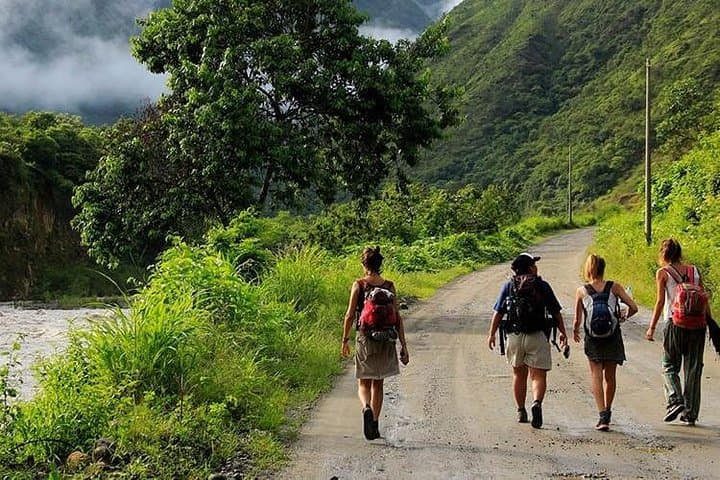
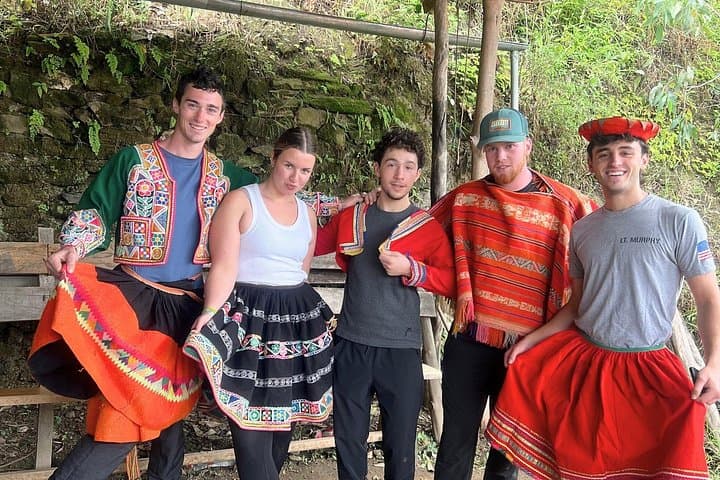
The route threads modern adventure through ancient infrastructure: original Inca paths, colonial-era villages and the same mountain corridors that once connected Cusco with remote communities. Geologically the trip drops from glaciated puna into cloud forest, so expect rocky alpine switchbacks turning to volcanic soils, fern glades and river terraces. Culturally the route moves from Andean highland customs into jungle agrarian life—local coffee farms, small hosterías and family-run hospices along the way.
Practical guidance: distribute weight in a comfortable daypack, carry layered clothing for rapid temperature swings and acclimatize in Cusco for at least 24–48 hours before departure. The biking section requires basic mountain-bike handling on mixed surfaces; guides supply bikes and helmets but bring gloves and padded shorts if you prefer. Trekking days include long ascents and river crossings; waterproof shoes, hydration (2–3 liters daily) and insect protection are essential. Expect early starts to catch the light at Machu Picchu for sunrise; buses from Aguas Calientes shorten the final climb, while the uphill trail is a steady 1.5-hour gain.
This itinerary rewards risk with close-up history, physical challenge and a finale at Machu Picchu that feels earned rather than bought—an active path to one of the world’s most photographed archaeological sites.
challenging.
4 days.
Require high aerobic fitness and stamina—regular hikers or cyclists in good shape will manage best.
Yes—operators supply mountain bikes, helmets and basic protective gear; you may bring personal gloves, padded shorts or a favored helmet for comfort.
Entrance to Machu Picchu is included in this itinerary; bring your passport and the guide will handle park entry procedures.
High fitness is recommended—participants should be comfortable with long days of cycling and hiking, and able to handle sustained uphill sections.
Yes—support vehicles are available for guests who prefer to skip the bike descent or rafting; note optional rafting is paid locally.
The trail uses segments of pre‑Hispanic routes that connected highland communities to lower jungle settlements and later supported colonial travel and trade.
Visitors should stick to designated paths, avoid single‑use plastics and follow guide instructions to protect fragile cloud‑forest soils and archaeological sites.
Encuentros Peru Adventure operates guided outdoor trips and adventures with an emphasis on safety, stewardship, and memorable experiences.
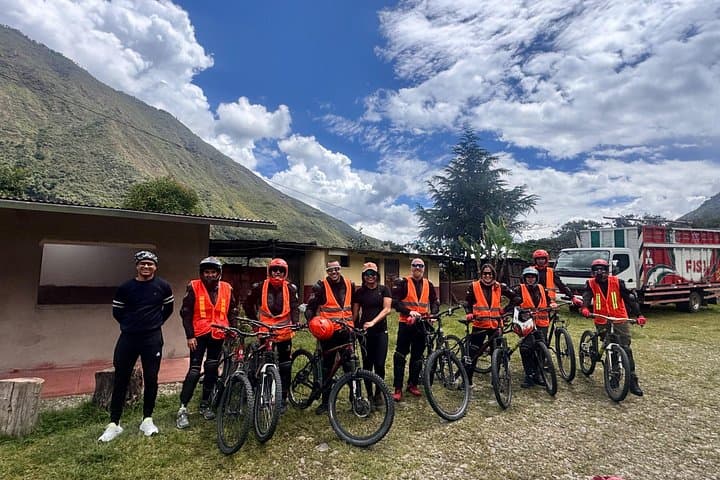
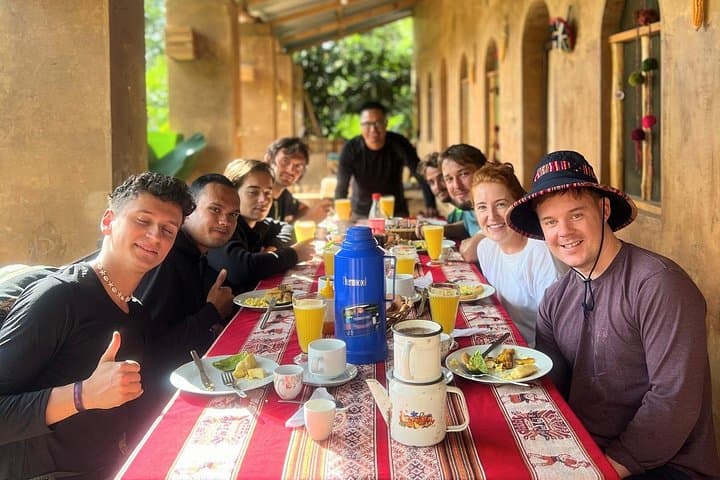
At dawn the group gathers at Abra Málaga, wind slicing past helmets as guides check brakes and maps. The first descent is immediate—60 km of switchbacks, gravel ribbons and open views as the high Andes give way to humid green. By midday the air tastes of coffee and river spray; by night you sleep to the sound of the Vilcanota below.
At dawn the group gathers at Abra Málaga, wind slicing past helmets as guides check brakes and maps. The first descent is immediate—60 km of switchbacks, gravel ribbons and open views as the high Andes give way to humid green. By midday the air tastes of coffee and river spray; by night you sleep to the sound of the Vilcanota below.
The route threads modern adventure through ancient infrastructure: original Inca paths, colonial-era villages and the same mountain corridors that once connected Cusco with remote communities. Geologically the trip drops from glaciated puna into cloud forest, so expect rocky alpine switchbacks turning to volcanic soils, fern glades and river terraces. Culturally the route moves from Andean highland customs into jungle agrarian life—local coffee farms, small hosterías and family-run hospices along the way.
Practical guidance: distribute weight in a comfortable daypack, carry layered clothing for rapid temperature swings and acclimatize in Cusco for at least 24–48 hours before departure. The biking section requires basic mountain-bike handling on mixed surfaces; guides supply bikes and helmets but bring gloves and padded shorts if you prefer. Trekking days include long ascents and river crossings; waterproof shoes, hydration (2–3 liters daily) and insect protection are essential. Expect early starts to catch the light at Machu Picchu for sunrise; buses from Aguas Calientes shorten the final climb, while the uphill trail is a steady 1.5-hour gain.
This itinerary rewards risk with close-up history, physical challenge and a finale at Machu Picchu that feels earned rather than bought—an active path to one of the world’s most photographed archaeological sites.