THE ADVENTURE COLLECTIVE® · Independent discovery and booking for outdoor travel

A four-day mixed-route adventure from Abra Málaga to Machu Picchu combining mountain biking, rafting, zip-lining and Inca-trail hiking with a Sky Lodge dome night. Expect big altitude swings, jungle trails, hot springs and an early predawn ascent into Machu Picchu.
A four-day mixed-route adventure from Abra Málaga to Machu Picchu combining mountain biking, rafting, zip-lining and Inca-trail hiking with a Sky Lodge dome night. Expect big altitude swings, jungle trails, hot springs and an early predawn ascent into Machu Picchu.
Fog thins over the crest of Abra Málaga as the group straps helmets and readies bikes at 4,316 m. From that high ridge the Andes suddenly become a downhill theater — switchbacks, eucalyptus stands and cliffside views give way to warmer, greener valley air as riders freewheel toward Alfamayo.
Verified experiences and guided adventures in the surrounding area.
Operated by Quechuas Expeditions · Aguas Calientes, Cusco Region
Fog thins over the crest of Abra Málaga as the group straps helmets and readies bikes at 4,316 m. From that high ridge the Andes suddenly become a downhill theater — switchbacks, eucalyptus stands and cliffside views give way to warmer, greener valley air as riders freewheel toward Alfamayo.
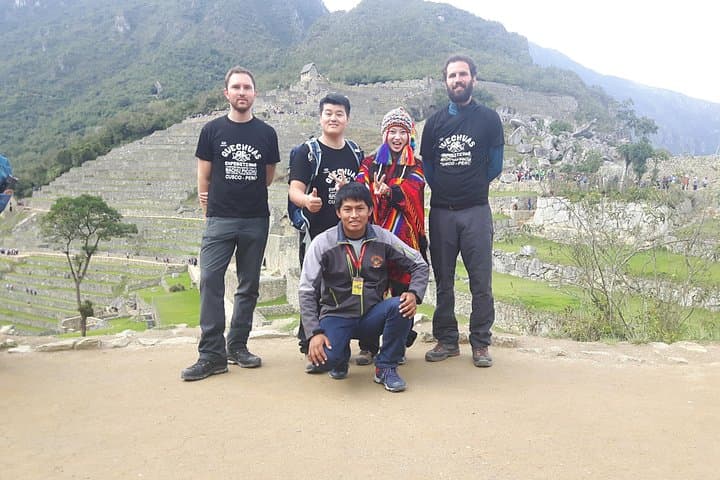
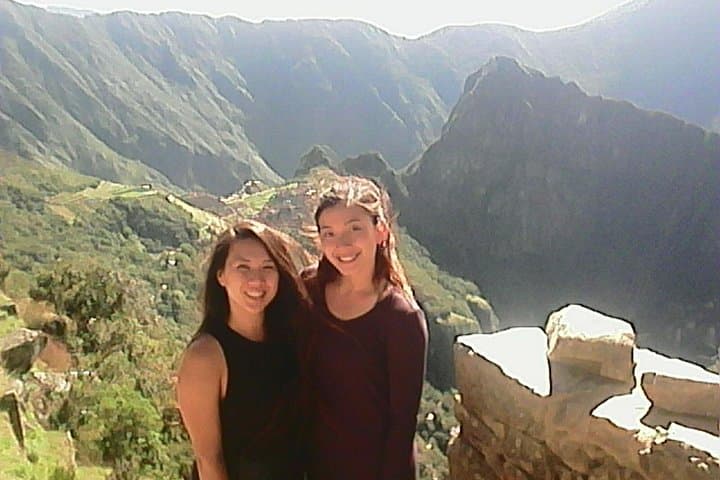
Across four days the route stitches high-mountain geology with cloud-forest ecology: a demanding mix of gravel descents, steep jungle trails and stepped Inca stone. The tour threads Huamanmarca, follows river gorges to hot springs at Cocalmayo, and skirts hydroelectric tracks en route to Aguas Calientes. Rafting on the Urubamba tests handling skills on Class II–III rapids; zip lines near Santa Teresa offer fast aerial glimpses of the valley. The finale is the predawn climb up the Inca stairs into Machu Picchu, where 2,000-year-old terraces and finely cut stone reveal the engineering reach of the Inca heartland.
Expect altitude swings (Abra Málaga ≈4,300 m to Aguas Calientes ≈2,040 m), mixed terrain from paved descent roads to muddy jungle paths, and multi-hour hiking days (some 2–5 hours per segment). Guides provide equipment for biking, rafting and zip-line; accommodations vary from hotel rooms to a Sky Lodge dome for a single-night glamping stay.
Practical guidance: acclimatize in Cusco for 24–48 hours before departure, use stiff-soled trekking boots for the hikes, carry a waterproof layer and 2–3 liters of water, and plan for early starts. This itinerary balances adrenaline with cultural insight — arrive fit, sleep well, and let the route push you toward Machu Picchu with clear-eyed pace.
challenging.
4 days.
Good cardiovascular fitness and leg strength; comfortable with multi-hour days and altitude changes
No — moderate mountain biking experience is sufficient; guides lead the descent and provide helmets and gloves, but confident handling on gravel and steep switchbacks is required.
No — rafting is guided and usually Class II–III; guides give instruction, but swimmers should be comfortable in moving water and wear provided safety gear.
The climb from Aguas Calientes via stone steps takes about 45–75 minutes depending on pace; being acclimatized and using trekking poles can make it easier.
Acclimatize in Cusco for 1–2 days, hydrate, avoid heavy alcohol before departure, and inform guides immediately if you experience severe symptoms; guides can adjust pace and seek assistance if needed.
The Inca Jungle route follows modern and preexisting paths near the Sacred Valley; many nearby stone sites like Huamanmarca show local agricultural and defensive uses of the Inca period.
This corridor is sensitive: stay on trails, avoid single-use plastics, and respect Quechua community lands; responsible operators limit group sizes and follow waste-management practices.
Quechuas Expeditions operates guided outdoor trips and adventures with an emphasis on safety, stewardship, and memorable experiences.
Fog thins over the crest of Abra Málaga as the group straps helmets and readies bikes at 4,316 m. From that high ridge the Andes suddenly become a downhill theater — switchbacks, eucalyptus stands and cliffside views give way to warmer, greener valley air as riders freewheel toward Alfamayo.
Fog thins over the crest of Abra Málaga as the group straps helmets and readies bikes at 4,316 m. From that high ridge the Andes suddenly become a downhill theater — switchbacks, eucalyptus stands and cliffside views give way to warmer, greener valley air as riders freewheel toward Alfamayo.
Across four days the route stitches high-mountain geology with cloud-forest ecology: a demanding mix of gravel descents, steep jungle trails and stepped Inca stone. The tour threads Huamanmarca, follows river gorges to hot springs at Cocalmayo, and skirts hydroelectric tracks en route to Aguas Calientes. Rafting on the Urubamba tests handling skills on Class II–III rapids; zip lines near Santa Teresa offer fast aerial glimpses of the valley. The finale is the predawn climb up the Inca stairs into Machu Picchu, where 2,000-year-old terraces and finely cut stone reveal the engineering reach of the Inca heartland.
Expect altitude swings (Abra Málaga ≈4,300 m to Aguas Calientes ≈2,040 m), mixed terrain from paved descent roads to muddy jungle paths, and multi-hour hiking days (some 2–5 hours per segment). Guides provide equipment for biking, rafting and zip-line; accommodations vary from hotel rooms to a Sky Lodge dome for a single-night glamping stay.
Practical guidance: acclimatize in Cusco for 24–48 hours before departure, use stiff-soled trekking boots for the hikes, carry a waterproof layer and 2–3 liters of water, and plan for early starts. This itinerary balances adrenaline with cultural insight — arrive fit, sleep well, and let the route push you toward Machu Picchu with clear-eyed pace.