THE ADVENTURE COLLECTIVE® · Independent discovery and booking for outdoor travel

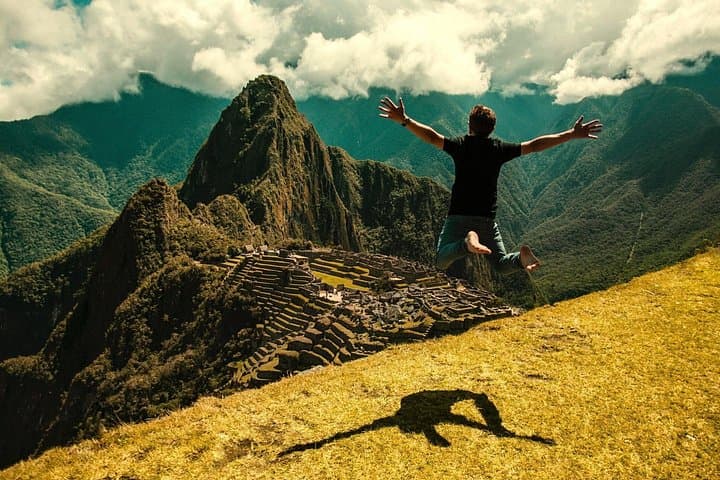
Ride from a 4,350 m Andean pass through cloud forest, hike along the train tracks to Aguas Calientes, and watch Machu Picchu sunrise on a compact three-day circuit. Expect big elevation changes, mixed terrain, and optional adrenaline extras.
Ride from a 4,350 m Andean pass through cloud forest, hike along the train tracks to Aguas Calientes, and watch Machu Picchu sunrise on a compact three-day circuit. Expect big elevation changes, mixed terrain, and optional adrenaline extras.
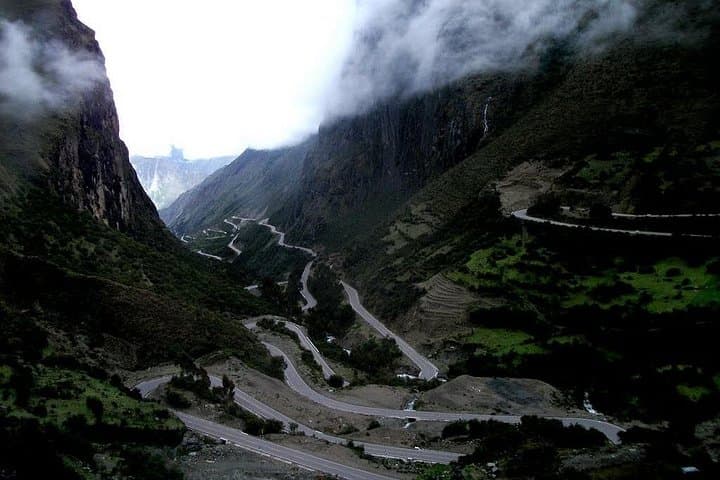
A low sun breaks over Cusco as your van climbs the switchbacks toward Abra Malaga, the air thinning and the Andes widening around you. At 4,350 m the world is sharp-edged: snow-dusted ridges one moment, then a sudden release as you drop onto a mountain bike and the landscape pushes back—villages, coffee plots, and the Urubamba River daring you downstream.
Verified experiences and guided adventures in the surrounding area.
Operated by Abel junior Serrano Paucar · Cusco, Cusco
A low sun breaks over Cusco as your van climbs the switchbacks toward Abra Malaga, the air thinning and the Andes widening around you. At 4,350 m the world is sharp-edged: snow-dusted ridges one moment, then a sudden release as you drop onto a mountain bike and the landscape pushes back—villages, coffee plots, and the Urubamba River daring you downstream.
This route threads colonial and Inca history through cloud forest and high puna. The Sacred Valley’s stone terraces and Ollantaytambo’s living Inca streets recall a landscape shaped by agricultural engineering and trade. Geologically, the line from high Andes to the Amazon basin compresses climates: glacial-scoured passes give way to humid, orchid-rich canyons as you descend to Santa Teresa and the hydroelectric line that leads to Aguas Calientes.
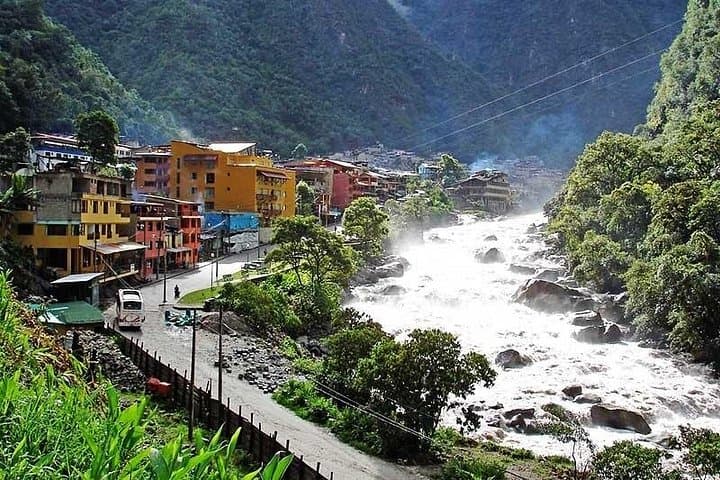
Expect three days of varied terrain: a ~45 km mostly downhill bike descent from Abra Malaga (about 3 hours), optional Class III–IV rafting on the Urubamba, a 10 km (~3 hour) riverside walk from Hidroeléctrica to Aguas Calientes along the rail, then an early morning bus to Machu Picchu for a guided 2‑hour tour. Altitudes range from ~4,350 m at the pass down to ~2,040 m in Aguas Calientes and ~2,430 m at Machu Picchu, so acclimatize in Cusco (3,400 m) beforehand.
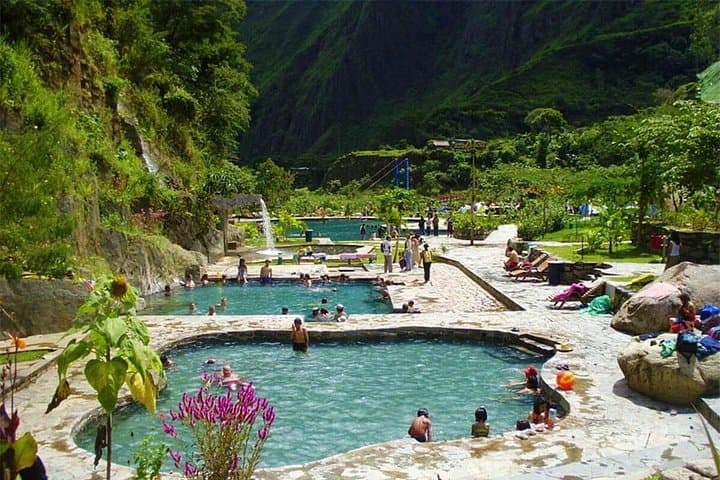
Practical edge: bring layered clothing, sturdy shoes for mixed dirt and cobble, a small daypack, and pace yourself for altitude. Guides provide bikes, helmets and two nights’ basic lodging; optional activities (rafting, zipline) add adrenaline but are not included. Plan for variable weather and leave time to enjoy hot springs or a late afternoon train back to Ollantaytambo.
challenging.
3 days.
Participants should have moderate to good cardiovascular fitness; comfortable with long descents on a bike and multi-hour hikes at altitude.
The tour includes hotel pickup in Cusco, transport to/from key points, bike with front suspension, helmet and gloves, 2 nights basic hostel accommodation, some meals (lunch Day 1 to breakfast Day 3), professional bilingual guide, train back to Cusco and Machu Picchu entrance fee.
No—rafting on the Urubamba and zipline in Santa Teresa are optional activities and cost extra; you can add them locally if available and weather permits.
The bike portion is mostly downhill over dirt and compacted roads with some rocky stretches; basic mountain biking skills and comfort with speed on descents are recommended.
Travelers with moderate fitness who are comfortable cycling downhill and walking several hours can participate, but acclimatization and honest assessment of biking ability are important.
The route traces Inca-era corridors connecting high puna agriculture to lower cloud forest settlements; Ollantaytambo retains living Inca-era agricultural terraces and streets.
Machu Picchu and the surrounding corridors limit daily visitors and require licensed guides—follow Leave No Trace principles, avoid single-use plastics, and stick to established trails to reduce erosion.
Abel junior Serrano Paucar operates guided outdoor trips and adventures with an emphasis on safety, stewardship, and memorable experiences.
A low sun breaks over Cusco as your van climbs the switchbacks toward Abra Malaga, the air thinning and the Andes widening around you. At 4,350 m the world is sharp-edged: snow-dusted ridges one moment, then a sudden release as you drop onto a mountain bike and the landscape pushes back—villages, coffee plots, and the Urubamba River daring you downstream.
A low sun breaks over Cusco as your van climbs the switchbacks toward Abra Malaga, the air thinning and the Andes widening around you. At 4,350 m the world is sharp-edged: snow-dusted ridges one moment, then a sudden release as you drop onto a mountain bike and the landscape pushes back—villages, coffee plots, and the Urubamba River daring you downstream.
This route threads colonial and Inca history through cloud forest and high puna. The Sacred Valley’s stone terraces and Ollantaytambo’s living Inca streets recall a landscape shaped by agricultural engineering and trade. Geologically, the line from high Andes to the Amazon basin compresses climates: glacial-scoured passes give way to humid, orchid-rich canyons as you descend to Santa Teresa and the hydroelectric line that leads to Aguas Calientes.
Expect three days of varied terrain: a ~45 km mostly downhill bike descent from Abra Malaga (about 3 hours), optional Class III–IV rafting on the Urubamba, a 10 km (~3 hour) riverside walk from Hidroeléctrica to Aguas Calientes along the rail, then an early morning bus to Machu Picchu for a guided 2‑hour tour. Altitudes range from ~4,350 m at the pass down to ~2,040 m in Aguas Calientes and ~2,430 m at Machu Picchu, so acclimatize in Cusco (3,400 m) beforehand.
Practical edge: bring layered clothing, sturdy shoes for mixed dirt and cobble, a small daypack, and pace yourself for altitude. Guides provide bikes, helmets and two nights’ basic lodging; optional activities (rafting, zipline) add adrenaline but are not included. Plan for variable weather and leave time to enjoy hot springs or a late afternoon train back to Ollantaytambo.