THE ADVENTURE COLLECTIVE® · Independent discovery and booking for outdoor travel

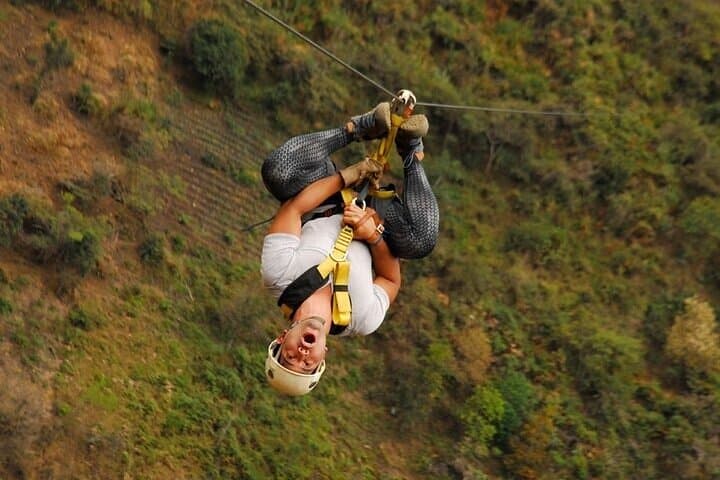
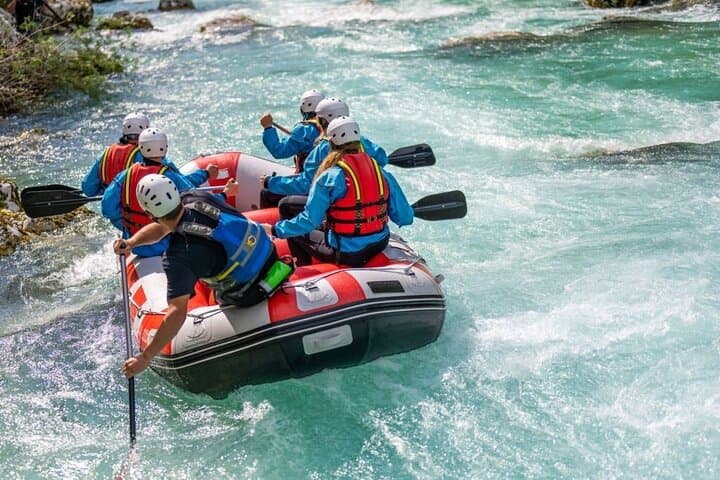
A four-day mix of downhill mountain biking, cloud-forest trekking, white-water rafting and a guided visit to Machu Picchu. Expect varied terrain, early starts and a full-on active itinerary that ends at one of the world’s most iconic ruins.
A four-day mix of downhill mountain biking, cloud-forest trekking, white-water rafting and a guided visit to Machu Picchu. Expect varied terrain, early starts and a full-on active itinerary that ends at one of the world’s most iconic ruins.
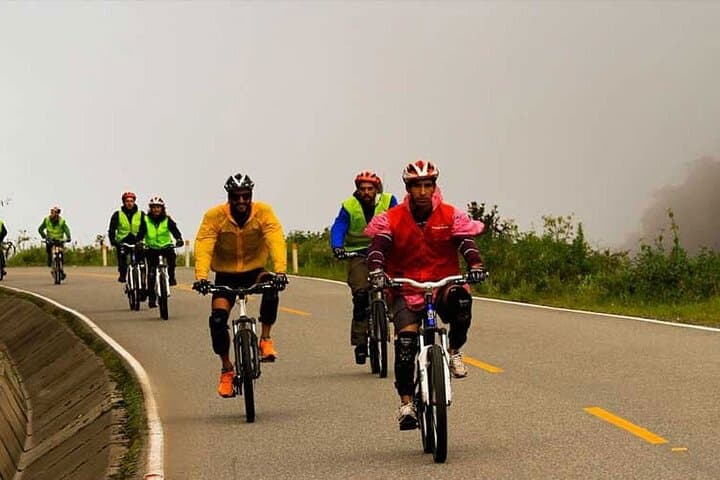
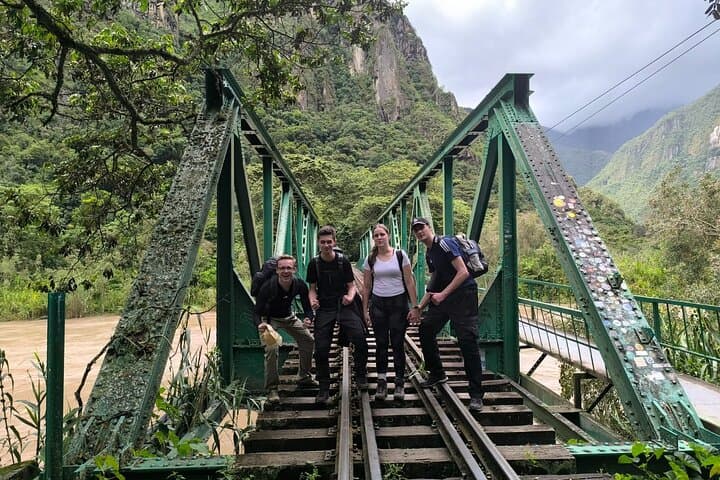
The day begins at the Abra Málaga pass with wind that seems to push you off the ridge, then the trail loosens its grip and the valley below rushes in — coffee fields, coca plants and a ribbon of river that dares you to follow it. Over four days this itinerary switches gears: rapid descents by mountain bike, cloud-forest treks, river rafting and a final pilgrimage to Machu Picchu through Hidroeléctrica and the rails to Aguas Calientes.
Verified experiences and guided adventures in the surrounding area.
Operated by Amaru Explorer Peru · Cusco, Cusco
The day begins at the Abra Málaga pass with wind that seems to push you off the ridge, then the trail loosens its grip and the valley below rushes in — coffee fields, coca plants and a ribbon of river that dares you to follow it. Over four days this itinerary switches gears: rapid descents by mountain bike, cloud-forest treks, river rafting and a final pilgrimage to Machu Picchu through Hidroeléctrica and the rails to Aguas Calientes.
This route borrows from Inca transport corridors and modern adventure trails. Llactapata and Intiwatana remind visitors that the long walk to Machu Picchu has layers of pre-Columbian engineering and colonial-era change. Geologically, the trip crosses the high puna at Abra Málaga into the steeply incised canyons that open to the Amazon basin, so expect sharp microclimates and sudden humidity shifts.
Locals in Santa María and Santa Teresa work coffee and fruit plots; a stop in Lucmabamba often includes smallholder coffee roasting demonstrations. Conservation here balances tourism and cloud-forest protection — stay on paths and pack out trash.
Practical guidance: bring a daypack with rain protection, electrolytes and footwear that grips wet rock. Allow three to four hours for the bicycle descent and prepare for a 5–7 hour trekking day to Llactapata. Early starts are routine — wake-ups at 4:00 a.m. for the Machu Picchu approach — and guides handle logistics, entry tickets and safety briefings. If you want to skip the final track walk, budget for the train from Hidroeléctrica. Pace yourself for altitude gain early on and the humid lower stages later.
challenging.
4 days.
Good aerobic fitness and multi-day stamina; comfortable with long downhill bike rides and full-day hikes.
Yes—entrance to Machu Picchu (Circuit 1 or 2 depending on availability) is included in this tour.
The descent is long and fast but guided; riders should be comfortable on basic off-road sections and follow the guide’s instructions for safety.
Yes—the tour offers the option to pay for the train from Hidroeléctrica to Aguas Calientes if you prefer not to walk the track section.
Accommodations are basic hostels with private or shared rooms; expect simple amenities and an emphasis on rest rather than luxury.
The route follows valleys used by Inca networks; Llactapata served as a strategic lookout tied to the Machu Picchu complex.
The cloud forest is ecologically sensitive—stick to trails, avoid single-use plastics and support local guides who contribute to community conservation projects.
Amaru Explorer Peru operates guided outdoor trips and adventures with an emphasis on safety, stewardship, and memorable experiences.
The day begins at the Abra Málaga pass with wind that seems to push you off the ridge, then the trail loosens its grip and the valley below rushes in — coffee fields, coca plants and a ribbon of river that dares you to follow it. Over four days this itinerary switches gears: rapid descents by mountain bike, cloud-forest treks, river rafting and a final pilgrimage to Machu Picchu through Hidroeléctrica and the rails to Aguas Calientes.
The day begins at the Abra Málaga pass with wind that seems to push you off the ridge, then the trail loosens its grip and the valley below rushes in — coffee fields, coca plants and a ribbon of river that dares you to follow it. Over four days this itinerary switches gears: rapid descents by mountain bike, cloud-forest treks, river rafting and a final pilgrimage to Machu Picchu through Hidroeléctrica and the rails to Aguas Calientes.
This route borrows from Inca transport corridors and modern adventure trails. Llactapata and Intiwatana remind visitors that the long walk to Machu Picchu has layers of pre-Columbian engineering and colonial-era change. Geologically, the trip crosses the high puna at Abra Málaga into the steeply incised canyons that open to the Amazon basin, so expect sharp microclimates and sudden humidity shifts.
Locals in Santa María and Santa Teresa work coffee and fruit plots; a stop in Lucmabamba often includes smallholder coffee roasting demonstrations. Conservation here balances tourism and cloud-forest protection — stay on paths and pack out trash.
Practical guidance: bring a daypack with rain protection, electrolytes and footwear that grips wet rock. Allow three to four hours for the bicycle descent and prepare for a 5–7 hour trekking day to Llactapata. Early starts are routine — wake-ups at 4:00 a.m. for the Machu Picchu approach — and guides handle logistics, entry tickets and safety briefings. If you want to skip the final track walk, budget for the train from Hidroeléctrica. Pace yourself for altitude gain early on and the humid lower stages later.