THE ADVENTURE COLLECTIVE® · Independent discovery and booking for outdoor travel

A four-day, multi-activity route that mixes high-Andean biking, jungle trekking, rafting and zipline with a sunrise arrival at Machu Picchu. Expect big elevation swings, varied terrain, and a hands-on look at villages that bridge Andes and Amazon.
A four-day, multi-activity route that mixes high-Andean biking, jungle trekking, rafting and zipline with a sunrise arrival at Machu Picchu. Expect big elevation swings, varied terrain, and a hands-on look at villages that bridge Andes and Amazon.
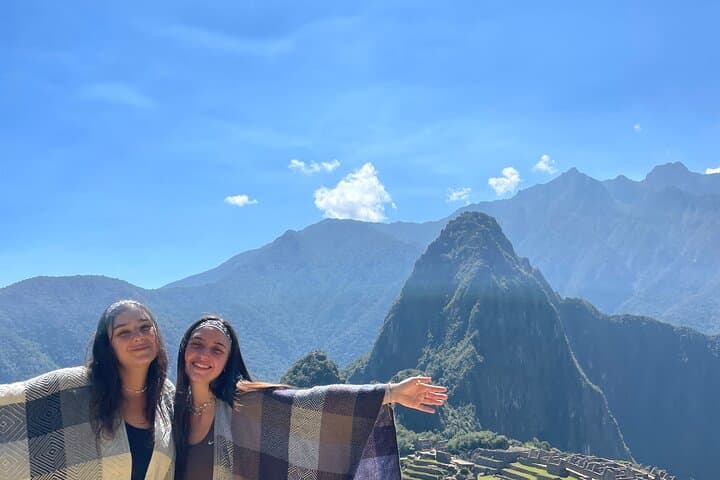
Dawn finds you on an Andean ridge above Vilcanota’s folded ridgelines, cold wind pushing you toward a high pass before the trail opens and the valley below pulls you downhill into cloud forest and river roar.
Verified experiences and guided adventures in the surrounding area.
Operated by Salkantay Backpackers Org · Aguas Calientes (Machu Picchu Pueblo), Cusco Region
Dawn finds you on an Andean ridge above Vilcanota’s folded ridgelines, cold wind pushing you toward a high pass before the trail opens and the valley below pulls you downhill into cloud forest and river roar.
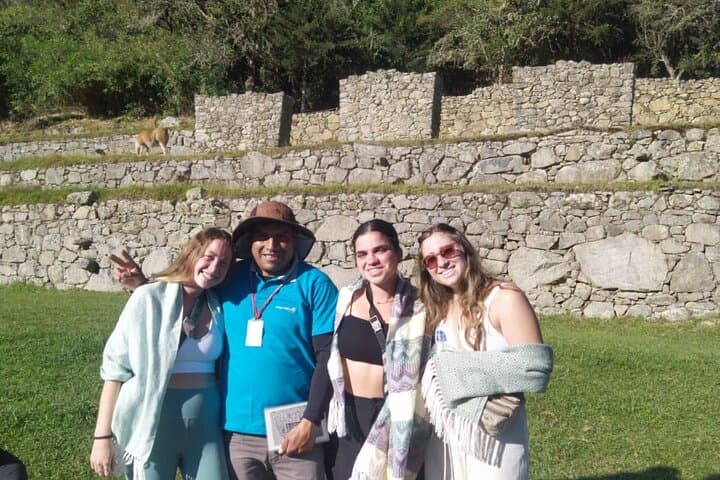
This four-day Inca Jungle route stitches together mountain biking from Abra Málaga (4,350 m), jungle hikes along original Inca connectors, river rafting on class II–III rapids, a zipline across tree-lined ravines, and a final early-morning approach to Machu Picchu. The trail follows routes that once linked Vilcabamba—the last Inca refuge—with the sacred citadel; stone steps and terraces remain in places where the forest reclaims ancient engineering.
Geology here shifts fast: glacial-polished granite in the high pass, steeper volcanic and metamorphic slopes mid-elevation, and alluvial terraces where the Vilcanota (Urubamba) river braids below. Local communities—villages centered on coffee, banana and coca cultivation—offer a live glimpse into Andean-to-jungle transition culture.
Practical guidance: expect daily moving times of 3–7 hours with significant elevation change; the biking stage is predominantly downhill but requires competent handling on dirt and loose rock. Bring layered clothing for early starts, a headlamp for predawn approaches, and cash for small village purchases. Hydrate steadily—altitude and tropical humidity combine to sap energy.
Logistics: accommodations are simple hostels; transport is by minivan between trailheads with optional train connections from Hidroeléctrica. You’ll need a valid passport for the Machu Picchu checkpoint and a moderate fitness base to enjoy the full itinerary.
moderate.
4 days.
Moderate fitness — able to hike 3–6 hours a day, manage extended descents on a bike, and handle basic rafting exertion.
The operator provides the Machu Picchu ticket, but you must carry your passport to present at the checkpoint—keep both accessible on the final morning.
It’s a predominantly downhill ride over 30 km on dirt roads and jeep tracks; prior mountain-biking experience on loose surfaces is recommended.
The included rafting sections are generally class II–III—exciting but suitable for beginners under guide supervision; expect splashy rapids rather than extreme whitewater.
Yes—most operators can arrange train options for the Hidroeléctrica–Aguas Calientes segment for an additional cost; confirm when booking.
Segments of this route follow original Inca connectors that linked Vilcabamba—an Inca refuge—to the sacred city; many paths retain stonework and terraces.
The Machu Picchu corridor faces visitor-pressure and fragile cloudforest ecosystems—stay on trails, pack out waste, and avoid single-use plastics when possible.
Salkantay Backpackers Org operates guided outdoor trips and adventures with an emphasis on safety, stewardship, and memorable experiences.
Dawn finds you on an Andean ridge above Vilcanota’s folded ridgelines, cold wind pushing you toward a high pass before the trail opens and the valley below pulls you downhill into cloud forest and river roar.
Dawn finds you on an Andean ridge above Vilcanota’s folded ridgelines, cold wind pushing you toward a high pass before the trail opens and the valley below pulls you downhill into cloud forest and river roar.
This four-day Inca Jungle route stitches together mountain biking from Abra Málaga (4,350 m), jungle hikes along original Inca connectors, river rafting on class II–III rapids, a zipline across tree-lined ravines, and a final early-morning approach to Machu Picchu. The trail follows routes that once linked Vilcabamba—the last Inca refuge—with the sacred citadel; stone steps and terraces remain in places where the forest reclaims ancient engineering.
Geology here shifts fast: glacial-polished granite in the high pass, steeper volcanic and metamorphic slopes mid-elevation, and alluvial terraces where the Vilcanota (Urubamba) river braids below. Local communities—villages centered on coffee, banana and coca cultivation—offer a live glimpse into Andean-to-jungle transition culture.
Practical guidance: expect daily moving times of 3–7 hours with significant elevation change; the biking stage is predominantly downhill but requires competent handling on dirt and loose rock. Bring layered clothing for early starts, a headlamp for predawn approaches, and cash for small village purchases. Hydrate steadily—altitude and tropical humidity combine to sap energy.
Logistics: accommodations are simple hostels; transport is by minivan between trailheads with optional train connections from Hidroeléctrica. You’ll need a valid passport for the Machu Picchu checkpoint and a moderate fitness base to enjoy the full itinerary.