THE ADVENTURE COLLECTIVE® · Independent discovery and booking for outdoor travel

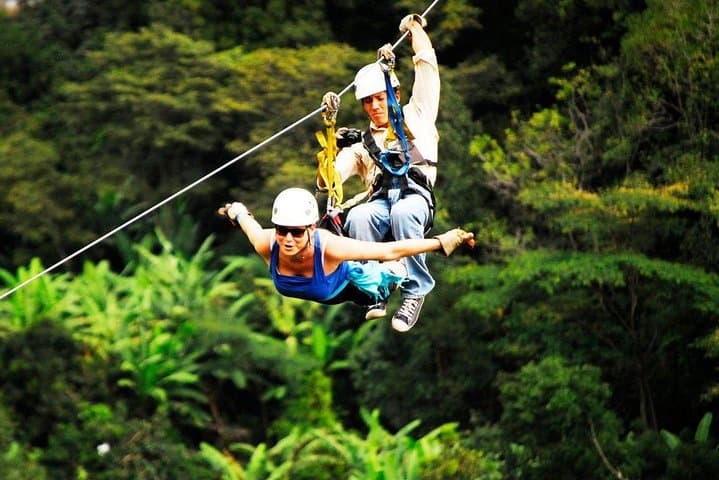
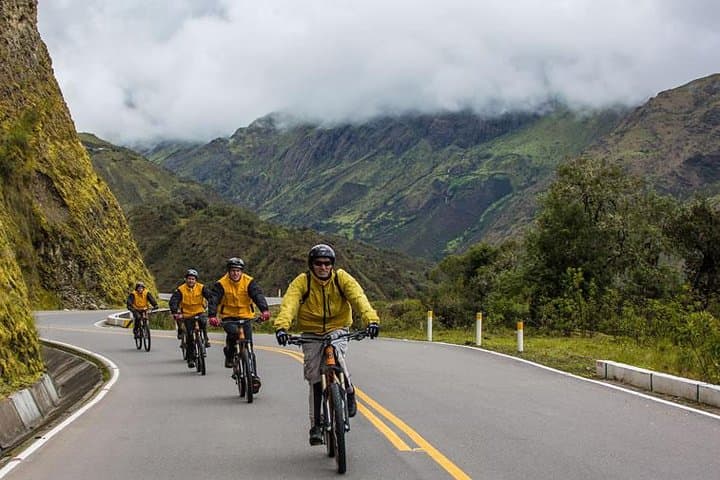
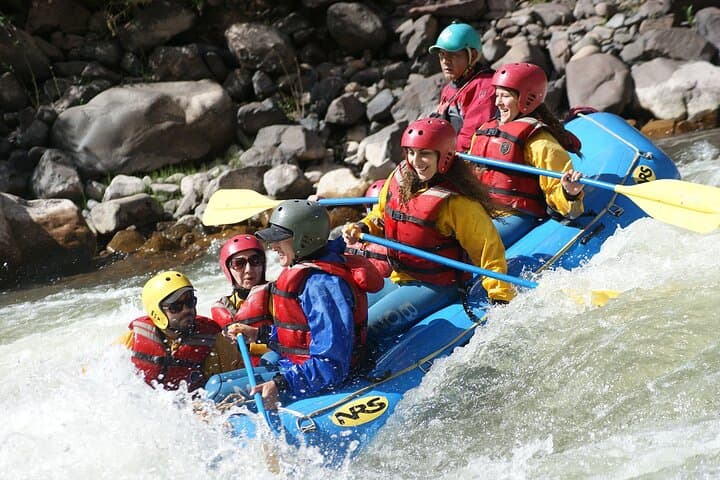
A high-energy alternative to the classic Inca Trail, this 4-day Inca Jungle itinerary combines mountain biking from Abra Málaga, jungle trekking, zipline and rafting before arriving at Machu Picchu. Expect long days, dramatic elevation change and a mix of Andes and Amazon ecosystems.
A high-energy alternative to the classic Inca Trail, this 4-day Inca Jungle itinerary combines mountain biking from Abra Málaga, jungle trekking, zipline and rafting before arriving at Machu Picchu. Expect long days, dramatic elevation change and a mix of Andes and Amazon ecosystems.
Morning light slices the high Andes as your van climbs toward Abra Málaga (4,316 m), breathing cold air that challenges lungs and sharpens focus. From that rim the trail drops hard—gravel, switchback, the wind pushing you downhill—until the landscape loosens into fruit fields and humid rainforest where rivers demand your attention.
Verified experiences and guided adventures in the surrounding area.
Operated by Chullos Travel Peru · Cusco, Cusco
Morning light slices the high Andes as your van climbs toward Abra Málaga (4,316 m), breathing cold air that challenges lungs and sharpens focus. From that rim the trail drops hard—gravel, switchback, the wind pushing you downhill—until the landscape loosens into fruit fields and humid rainforest where rivers demand your attention.
This four-day Inca Jungle route was developed as an alternative to the classic Inca Trail: a mix of mountain biking, trekking, whitewater, zipline and an on-foot approach to Machu Picchu. Geologically the route moves from Paleozoic Andean slopes into the younger volcanic and fluvial terraces of the Urubamba watershed; culturally you pass through Quechua agricultural plots—coca, coffee and cassava—that have fed local communities for generations.
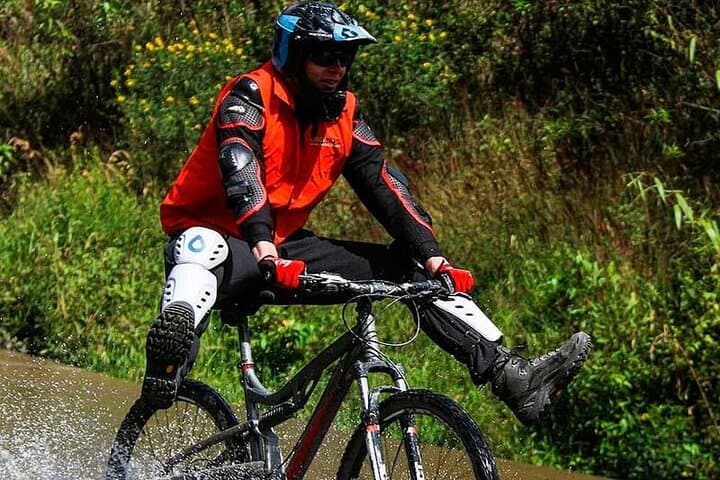
Expect singletrack descents, sustained uphill hikes (especially the Llactapata approach), river crossings and sections along active rail lines to Aguas Calientes. Guides pause at Huamanmarka and Intiwatana to explain Inca engineering and celestial markers; along the way local coffee farms offer fresh brews and a glimpse of smallholder life.
Practical edge: acclimatize in Cusco 24–48 hours before departure, carry layered clothing for a 15–25°C swing, and bring a small daypack for water, snacks and rain protection. Hydrate before and during efforts; use disc brakes and a full-face helmet on steep descents; plan for early wake-ups and limited cell service on trails.
This is a compact, high-intensity link between Andean passes and Machu Picchu—risky enough to feel earned, varied enough to keep every day different.
challenging.
4 days.
Requires high aerobic fitness and good leg strength; able to bike long descents, hike 5–7 hours on steep terrain and handle river-side walking.
No—entrance tickets to Machu Picchu are not included and must be purchased separately unless the operator specifies otherwise at booking.
The biking is downhill, technical and long; riders should be comfortable with high-speed descents, narrow tracks and occasional loose gravel.
Yes—two nights are in camps (Santa María and Santa Teresa) and one night in a hotel in Aguas Calientes as described in the itinerary.
Altitude affects people differently; acclimatize in Cusco beforehand, drink plenty of water, avoid alcohol, and notify guides if symptoms like severe headache or nausea appear.
The path skirts Inca agricultural sites and Llactapata, a waypoint used historically to monitor the Urubamba valley and approach Machu Picchu.
Trails cross fragile montane and cloud forest zones—follow leave-no-trace, avoid single-use plastics and stick to designated paths to reduce erosion and disturbance.
Chullos Travel Peru operates guided outdoor trips and adventures with an emphasis on safety, stewardship, and memorable experiences.
Morning light slices the high Andes as your van climbs toward Abra Málaga (4,316 m), breathing cold air that challenges lungs and sharpens focus. From that rim the trail drops hard—gravel, switchback, the wind pushing you downhill—until the landscape loosens into fruit fields and humid rainforest where rivers demand your attention.
Morning light slices the high Andes as your van climbs toward Abra Málaga (4,316 m), breathing cold air that challenges lungs and sharpens focus. From that rim the trail drops hard—gravel, switchback, the wind pushing you downhill—until the landscape loosens into fruit fields and humid rainforest where rivers demand your attention.
This four-day Inca Jungle route was developed as an alternative to the classic Inca Trail: a mix of mountain biking, trekking, whitewater, zipline and an on-foot approach to Machu Picchu. Geologically the route moves from Paleozoic Andean slopes into the younger volcanic and fluvial terraces of the Urubamba watershed; culturally you pass through Quechua agricultural plots—coca, coffee and cassava—that have fed local communities for generations.
Expect singletrack descents, sustained uphill hikes (especially the Llactapata approach), river crossings and sections along active rail lines to Aguas Calientes. Guides pause at Huamanmarka and Intiwatana to explain Inca engineering and celestial markers; along the way local coffee farms offer fresh brews and a glimpse of smallholder life.
Practical edge: acclimatize in Cusco 24–48 hours before departure, carry layered clothing for a 15–25°C swing, and bring a small daypack for water, snacks and rain protection. Hydrate before and during efforts; use disc brakes and a full-face helmet on steep descents; plan for early wake-ups and limited cell service on trails.
This is a compact, high-intensity link between Andean passes and Machu Picchu—risky enough to feel earned, varied enough to keep every day different.