THE ADVENTURE COLLECTIVE® · Independent discovery and booking for outdoor travel

Ride from Abra Málaga down 55 km of switchbacks, raft the Urubamba, soak in jungle hot springs, then hike the rail-side route into Aguas Calientes before a guided morning at Machu Picchu. This four-day itinerary mixes adrenaline with cultural insight and high-altitude scenery.
Ride from Abra Málaga down 55 km of switchbacks, raft the Urubamba, soak in jungle hot springs, then hike the rail-side route into Aguas Calientes before a guided morning at Machu Picchu. This four-day itinerary mixes adrenaline with cultural insight and high-altitude scenery.
Dawn breaks over the Abra Málaga pass at 4,316 meters, and the group straps into helmets for a long descent that winds 55 kilometers toward verdant jungle valleys below. The air starts thin and cool, then fattens with humidity as the trail unspools toward Santa María and the rushing Urubamba.
Verified experiences and guided adventures in the surrounding area.
Operated by Machu Picchu Holiday Tours · Aguas Calientes, Cusco
Dawn breaks over the Abra Málaga pass at 4,316 meters, and the group straps into helmets for a long descent that winds 55 kilometers toward verdant jungle valleys below. The air starts thin and cool, then fattens with humidity as the trail unspools toward Santa María and the rushing Urubamba.
This route follows centuries of movement—Inca pathways, colonial mule tracks and modern adventure trails—across geology shaped by the uplift of the Andes and the incision of the Vilcanota (Urubamba) river. You’ll pass small Quechua farming villages, coffee patios where local producers dry beans, and cloud forest bands that frame distant limestone and granite ridges. Cultural traces are tangible: roadside shrines, terraced fields, and stories from guides who translate local history into context for Machu Picchu’s enigmatic ruins.
Across four days expect a variety of terrain: a technical mountain-bike descent from 4,316 m to about 1,430 m, class II–III rafting on the Urubamba, ziplines through canopy gaps, a long jungle hike following railway tracks from Hidroelectrica to Aguas Calientes, and a guided visit to the citadel of Machu Picchu. Physical demands are high and temperatures swing—hot and humid below, markedly cold at high passes.
Practical guidance: allow 24–48 hours in Cusco to acclimatize, pack layered clothing and a reliable rain shell, bring a hydration system and blister care, and confirm train and Machu Picchu entry windows well in advance. Guides typically carry first aid; personal preventative gear matters as much as enthusiasm.
challenging.
4 days (active sections 6–10 hours/day).
Good cardiovascular fitness and endurance; prior multi-day hiking or mountain-biking experience recommended.
Basic bike-handling skills on gravel and switchbacks are strongly recommended; guides can coach beginners but steep sections are demanding.
Altitude can affect anyone—acclimatize in Cusco 24–48 hours, hydrate, avoid alcohol, and bring altitude meds if you’ve used them before.
This tour includes Machu Picchu admission in the itinerary, but confirm your entrance window and train times before travel.
Expect long active days with sustained uphill/downhill effort; regular hiking, cycling or cardio training in the months before travel will help.
The path we follow uses old Inca corridors that linked highland settlements to the Vilcanota river; Machu Picchu itself dates to the 15th century and was part of the Inca road network.
High visitor numbers make staying on trails and packing out waste essential; support local guides and community-run services to distribute tourism benefits.
Machu Picchu Holiday Tours operates guided outdoor trips and adventures with an emphasis on safety, stewardship, and memorable experiences.
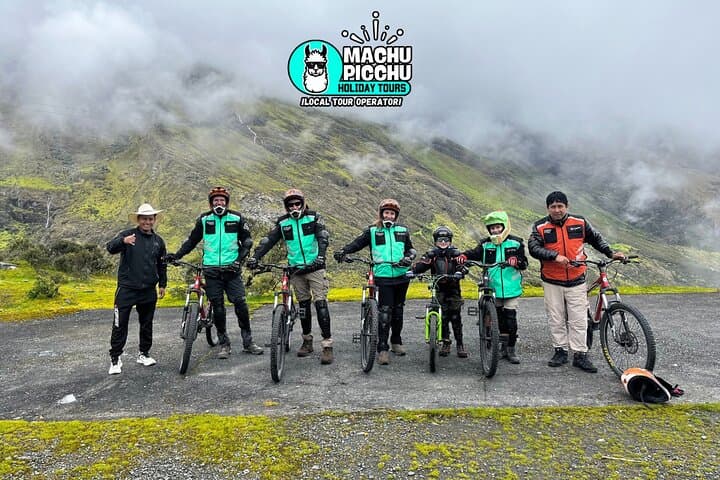
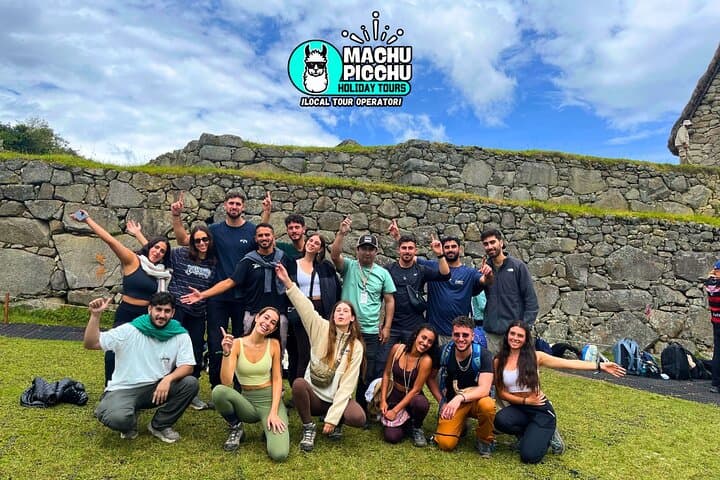
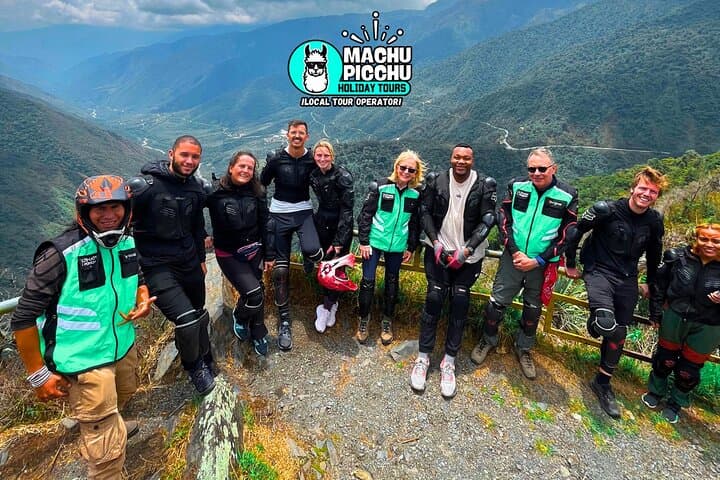
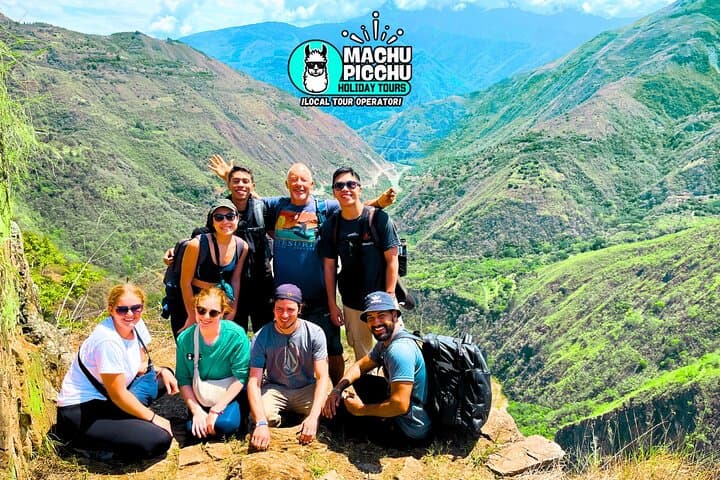
Dawn breaks over the Abra Málaga pass at 4,316 meters, and the group straps into helmets for a long descent that winds 55 kilometers toward verdant jungle valleys below. The air starts thin and cool, then fattens with humidity as the trail unspools toward Santa María and the rushing Urubamba.
Dawn breaks over the Abra Málaga pass at 4,316 meters, and the group straps into helmets for a long descent that winds 55 kilometers toward verdant jungle valleys below. The air starts thin and cool, then fattens with humidity as the trail unspools toward Santa María and the rushing Urubamba.
This route follows centuries of movement—Inca pathways, colonial mule tracks and modern adventure trails—across geology shaped by the uplift of the Andes and the incision of the Vilcanota (Urubamba) river. You’ll pass small Quechua farming villages, coffee patios where local producers dry beans, and cloud forest bands that frame distant limestone and granite ridges. Cultural traces are tangible: roadside shrines, terraced fields, and stories from guides who translate local history into context for Machu Picchu’s enigmatic ruins.
Across four days expect a variety of terrain: a technical mountain-bike descent from 4,316 m to about 1,430 m, class II–III rafting on the Urubamba, ziplines through canopy gaps, a long jungle hike following railway tracks from Hidroelectrica to Aguas Calientes, and a guided visit to the citadel of Machu Picchu. Physical demands are high and temperatures swing—hot and humid below, markedly cold at high passes.
Practical guidance: allow 24–48 hours in Cusco to acclimatize, pack layered clothing and a reliable rain shell, bring a hydration system and blister care, and confirm train and Machu Picchu entry windows well in advance. Guides typically carry first aid; personal preventative gear matters as much as enthusiasm.