THE ADVENTURE COLLECTIVE® · Independent discovery and booking for outdoor travel

A four-day mixed-adventure linking high Andean descents, whitewater on the Urubamba, jungle ziplines, and a sunrise visit to Machu Picchu. Expect varied terrain, early starts, and a blend of adrenaline and archaeological awe.
A four-day mixed-adventure linking high Andean descents, whitewater on the Urubamba, jungle ziplines, and a sunrise visit to Machu Picchu. Expect varied terrain, early starts, and a blend of adrenaline and archaeological awe.
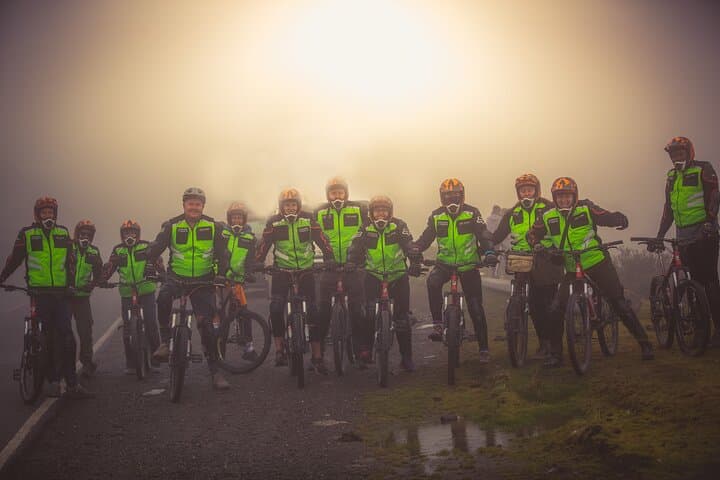
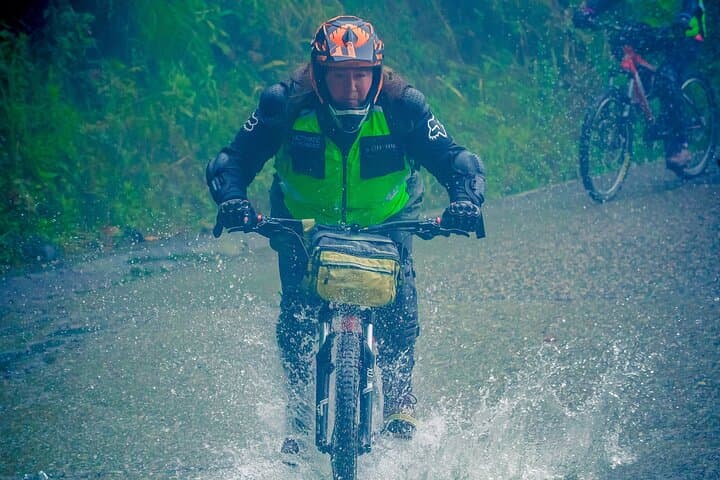
Dawn breaks over Abra Malaga and the Andes exhales cold air as riders clip into mountain bikes and begin a long descent toward the jungle. The first day drops you from high puna into river-cut valleys, passing adobe villages and ribbon-like streams that seem to dare you to keep pace. Rivers hurry; the mountains watch.
Verified experiences and guided adventures in the surrounding area.
Operated by Southern Peru Explorers · Aguas Calientes, Cusco
Dawn breaks over Abra Malaga and the Andes exhales cold air as riders clip into mountain bikes and begin a long descent toward the jungle. The first day drops you from high puna into river-cut valleys, passing adobe villages and ribbon-like streams that seem to dare you to keep pace. Rivers hurry; the mountains watch.
This route stitches together two Perus: the high Andean corridor carved by glaciers and the humid cloud forest where the Inca built hidden waystations. Geology here shifts fast—grey granite and limestone give way to mossed volcanic soils—and the cultural thread is obvious in roadside terraces and Quechua-speaking hamlets that still tend corn and llamas. The final act is Machu Picchu: a stone city perched where tectonic uplift meets cloud, an engineering note on how the Inca shaped water and slope.
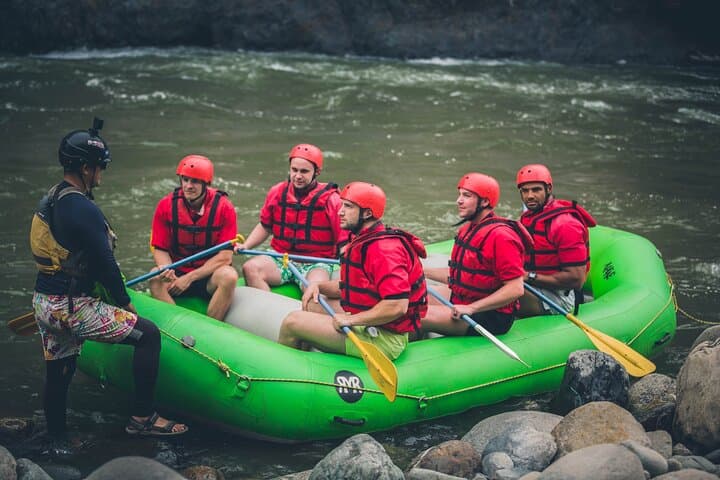
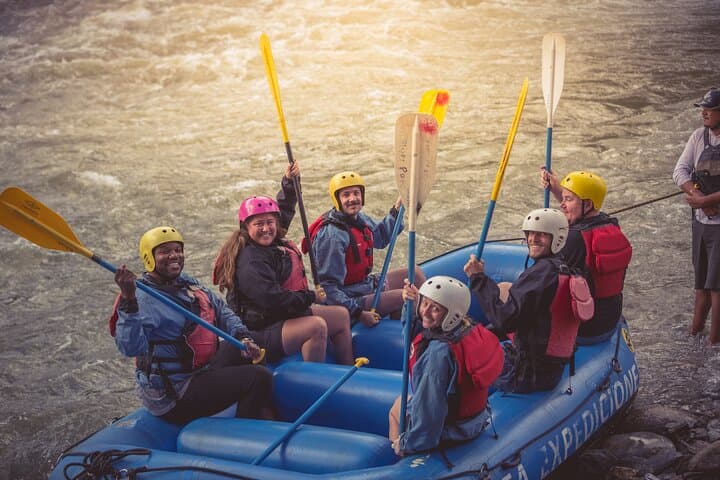
Expect a varied four-day program: three-hour downhill mountain biking from Abra Malaga, Class III–IV rafting on the Urubamba, optional multi-line ziplines (up to 600 m sections; top speeds ≈70 km/h), and a pre-dawn hike to Machu Picchu followed by a 2.5-hour guided tour. Nights are spent in basic lodges—Santa Teresa and Aguas Calientes—before a return train to Ollantaytambo and bus to Cusco.
Practical edge: acclimatize in Cusco for 24–48 hours, pack layered, waterproof clothing, and bring a small daypack for steep, muddy trails. Plan for early starts, limited mobile signal in the cloud forest, and modest fitness for sustained downhill biking and short steep climbs. Respect park limits at Machu Picchu: stay on marked paths, carry out waste, and book Huayna Picchu in advance if you want the extra summit.
moderate.
4 days.
Moderate aerobic fitness with ability to ride uneven descents, manage multi-hour hikes, and handle rapid elevation changes.
No — basic mountain biking skills are sufficient; guides lead the group and can adjust pace, but you should be comfortable on uneven, descending terrain.
There are high-elevation transfers (Abra Malaga), so acclimatization in Cusco for 24–48 hours is recommended to reduce symptoms of altitude sickness.
Yes, Machu Picchu tickets are included in this package; optional Huayna Picchu or Machu Picchu Mountain climbs incur extra fees and limited availability.
The rafting section on the Urubamba includes Class III–IV rapids—exciting but guided; prior rafting experience is helpful though not required.
The trail corridor links Inca highland agriculture and lower-elevation waystations; Machu Picchu’s stonework reflects sophisticated drainage and terrace engineering.
Machu Picchu limits daily visitors and enforces set routes—follow rules, avoid off-trail wandering, and carry out waste to protect fragile cloud forest ecosystems.
Southern Peru Explorers operates guided outdoor trips and adventures with an emphasis on safety, stewardship, and memorable experiences.
Dawn breaks over Abra Malaga and the Andes exhales cold air as riders clip into mountain bikes and begin a long descent toward the jungle. The first day drops you from high puna into river-cut valleys, passing adobe villages and ribbon-like streams that seem to dare you to keep pace. Rivers hurry; the mountains watch.
Dawn breaks over Abra Malaga and the Andes exhales cold air as riders clip into mountain bikes and begin a long descent toward the jungle. The first day drops you from high puna into river-cut valleys, passing adobe villages and ribbon-like streams that seem to dare you to keep pace. Rivers hurry; the mountains watch.
This route stitches together two Perus: the high Andean corridor carved by glaciers and the humid cloud forest where the Inca built hidden waystations. Geology here shifts fast—grey granite and limestone give way to mossed volcanic soils—and the cultural thread is obvious in roadside terraces and Quechua-speaking hamlets that still tend corn and llamas. The final act is Machu Picchu: a stone city perched where tectonic uplift meets cloud, an engineering note on how the Inca shaped water and slope.
Expect a varied four-day program: three-hour downhill mountain biking from Abra Malaga, Class III–IV rafting on the Urubamba, optional multi-line ziplines (up to 600 m sections; top speeds ≈70 km/h), and a pre-dawn hike to Machu Picchu followed by a 2.5-hour guided tour. Nights are spent in basic lodges—Santa Teresa and Aguas Calientes—before a return train to Ollantaytambo and bus to Cusco.
Practical edge: acclimatize in Cusco for 24–48 hours, pack layered, waterproof clothing, and bring a small daypack for steep, muddy trails. Plan for early starts, limited mobile signal in the cloud forest, and modest fitness for sustained downhill biking and short steep climbs. Respect park limits at Machu Picchu: stay on marked paths, carry out waste, and book Huayna Picchu in advance if you want the extra summit.