THE ADVENTURE COLLECTIVE® · Independent discovery and booking for outdoor travel

A three-day mix of high-altitude biking, cloud-forest trekking and hot springs that finishes at Machu Picchu. Expect steep descents, coffee plantations, optional rafting or ziplines and an early-morning arrival at the citadel.
A three-day mix of high-altitude biking, cloud-forest trekking and hot springs that finishes at Machu Picchu. Expect steep descents, coffee plantations, optional rafting or ziplines and an early-morning arrival at the citadel.
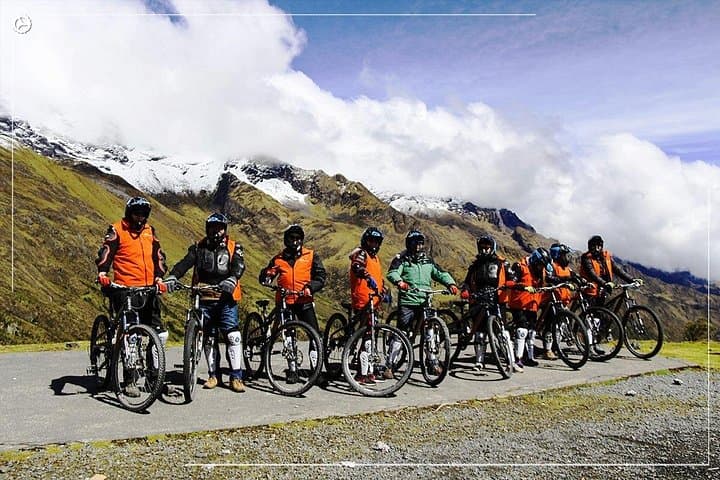
Morning light breaks over Andes ridgelines and the air tastes thin and clean: the Inca Jungle begins at Malaga Pass (4,350 m), where guides load bikes and the high road gives way to a fast descent through puna grass and cloud-splashed forest. The route drops more than 2,400 vertical meters into Santa María and Santa Teresa, trading snow-capped Veronica for sugarcane and coffee plantations.
Verified experiences and guided adventures in the surrounding area.
Operated by Conde Travel · Cusco, Cusco
Morning light breaks over Andes ridgelines and the air tastes thin and clean: the Inca Jungle begins at Malaga Pass (4,350 m), where guides load bikes and the high road gives way to a fast descent through puna grass and cloud-splashed forest. The route drops more than 2,400 vertical meters into Santa María and Santa Teresa, trading snow-capped Veronica for sugarcane and coffee plantations.
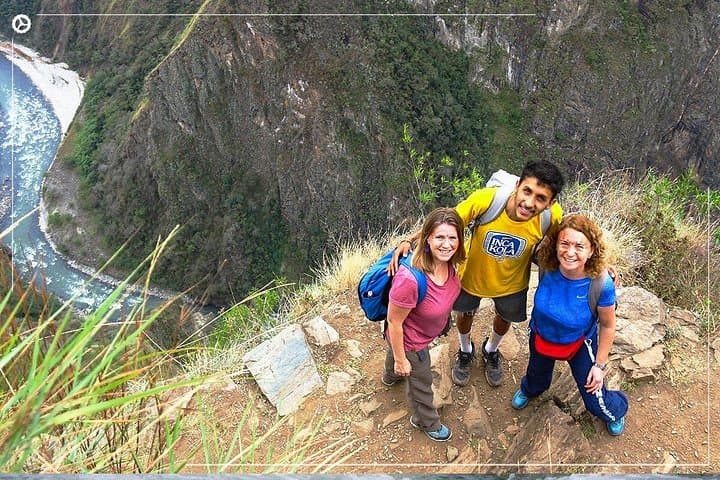
This three-day loop blends Peru’s layered history and shifting geology — ancient Inca trails cut along precipitous flanks, modern railways thread the Urubamba valley, and the Vilcanota (Urubamba) River hurries downstream, daring travelers with braided rapids. Along the way, local farmers open a window into coffee-processing and coca-cultivation practices; Cocalmayo’s thermal pools offer a practical reward after a day’s exertion.
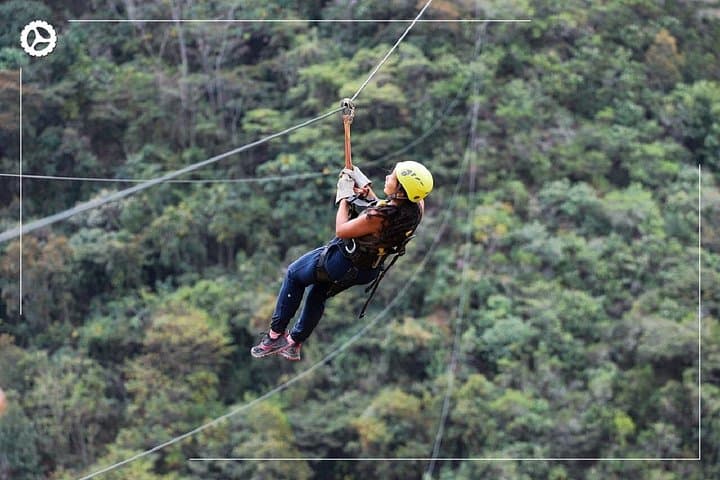
Day two transitions to foot travel: a hike to the Hydroelectric station and a three-hour walk along the rail line to Aguas Calientes, with an optional canopy-zip and a Tibetan bridge for those seeking more adrenaline. Day three brings an early ascent into Machu Picchu’s cloud forest, where stone plazas and terraces reveal Inca engineering framed by moss and orchids.
Practical guidance: acclimatize in Cusco for 24–48 hours before departure, expect varied terrain—gravel, dirt farm roads and singletrack—and plan lightweight layering for temperature swings. Bring sturdy mountain-bike skills or opt for a guided rider; reserve Machu Picchu entry and train segments in advance. Hydration, sunscreen, rain protection and modest cash for village purchases will make the trip smoother. The route rewards steady effort with dramatic descents, hot springs, and a sunrise at one of South America’s most iconic ruins.
moderate.
3 days.
Moderately fit: able to bike long descents, walk 3–5 hours over uneven terrain and tolerate high altitude.
Basic mountain-biking competence is recommended for the Malaga Pass descent; non-riders can often join the group on easier transport alternatives—confirm when booking.
Expect a 3-hour walk from the Hydroelectric station along railway and trails—moderate effort on mostly flat to rolling terrain, with some uneven sections.
Access to Cocalmayo hot springs is available with coordination; it’s commonly offered as an optional stop on day one and may require an extra fee.
The trip starts above 4,300 m, so altitude sickness is possible; acclimatize in Cusco, stay hydrated, and notify guides if symptoms appear.
The paths link Inca-era routes with later colonial and railway developments; Machu Picchu itself dates to the 15th-century Inca state and was reintroduced to the world in 1911.
Visitors must follow designated paths and timed-entry rules at Machu Picchu; minimizing waste and sticking to established trails helps protect fragile cloud-forest ecosystems.
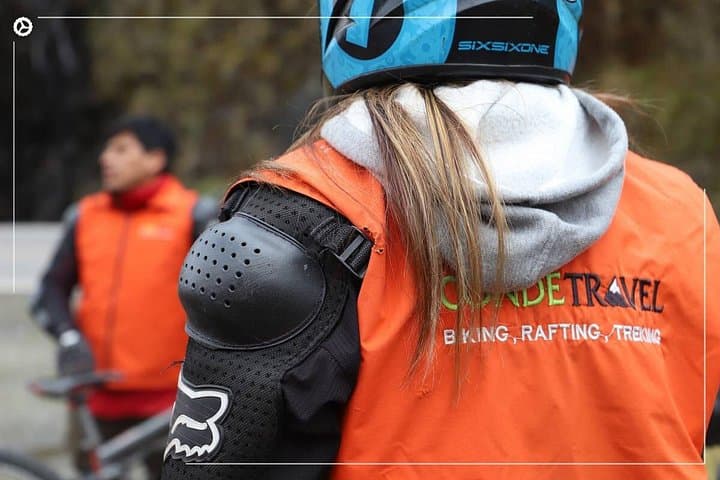
Conde Travel operates guided outdoor trips and adventures with an emphasis on safety, stewardship, and memorable experiences.
Morning light breaks over Andes ridgelines and the air tastes thin and clean: the Inca Jungle begins at Malaga Pass (4,350 m), where guides load bikes and the high road gives way to a fast descent through puna grass and cloud-splashed forest. The route drops more than 2,400 vertical meters into Santa María and Santa Teresa, trading snow-capped Veronica for sugarcane and coffee plantations.
Morning light breaks over Andes ridgelines and the air tastes thin and clean: the Inca Jungle begins at Malaga Pass (4,350 m), where guides load bikes and the high road gives way to a fast descent through puna grass and cloud-splashed forest. The route drops more than 2,400 vertical meters into Santa María and Santa Teresa, trading snow-capped Veronica for sugarcane and coffee plantations.
This three-day loop blends Peru’s layered history and shifting geology — ancient Inca trails cut along precipitous flanks, modern railways thread the Urubamba valley, and the Vilcanota (Urubamba) River hurries downstream, daring travelers with braided rapids. Along the way, local farmers open a window into coffee-processing and coca-cultivation practices; Cocalmayo’s thermal pools offer a practical reward after a day’s exertion.
Day two transitions to foot travel: a hike to the Hydroelectric station and a three-hour walk along the rail line to Aguas Calientes, with an optional canopy-zip and a Tibetan bridge for those seeking more adrenaline. Day three brings an early ascent into Machu Picchu’s cloud forest, where stone plazas and terraces reveal Inca engineering framed by moss and orchids.
Practical guidance: acclimatize in Cusco for 24–48 hours before departure, expect varied terrain—gravel, dirt farm roads and singletrack—and plan lightweight layering for temperature swings. Bring sturdy mountain-bike skills or opt for a guided rider; reserve Machu Picchu entry and train segments in advance. Hydration, sunscreen, rain protection and modest cash for village purchases will make the trip smoother. The route rewards steady effort with dramatic descents, hot springs, and a sunrise at one of South America’s most iconic ruins.