THE ADVENTURE COLLECTIVE® · Independent discovery and booking for outdoor travel

Rise before dawn and take the Expedition train to km 104, then hike the classic one-day Inca Trail segment through Wiñay Wayna to Inti Punku for a first glimpse of Machu Picchu. This long day blends engineered ruins, dramatic granite ridges and practical planning—permits, layers and steady legs.
Rise before dawn and take the Expedition train to km 104, then hike the classic one-day Inca Trail segment through Wiñay Wayna to Inti Punku for a first glimpse of Machu Picchu. This long day blends engineered ruins, dramatic granite ridges and practical planning—permits, layers and steady legs.
You step onto the platform before dawn, the Andes air sharp enough to wake every sense. A private transfer from Cusco deposits you at Ollantaytambo; the Expedition train threads the Sacred Valley and drops you at km 104 (≈2,100 m). From there the trail lifts steadily, the Urubamba River folding away below as Inca stonework and cloud-shaded terraces appear like chapters of an old map.
Verified experiences and guided adventures in the surrounding area.
Operated by Inca Trail Specialist · Aguas Calientes (Machu Picchu Pueblo), Cusco
You step onto the platform before dawn, the Andes air sharp enough to wake every sense. A private transfer from Cusco deposits you at Ollantaytambo; the Expedition train threads the Sacred Valley and drops you at km 104 (≈2,100 m). From there the trail lifts steadily, the Urubamba River folding away below as Inca stonework and cloud-shaded terraces appear like chapters of an old map.
The hike to Wiñay Wayna (2,650 m) takes roughly three hours and winds past niches, stairways and irrigation channels—evidence of Inca engineering carved into steep shale and granite. Wiñay Wayna itself is the second-largest set of ruins on the classic Inca Trail, a compact complex of terraces and ceremonial spaces that read as both agricultural lab and pilgrimage stop.
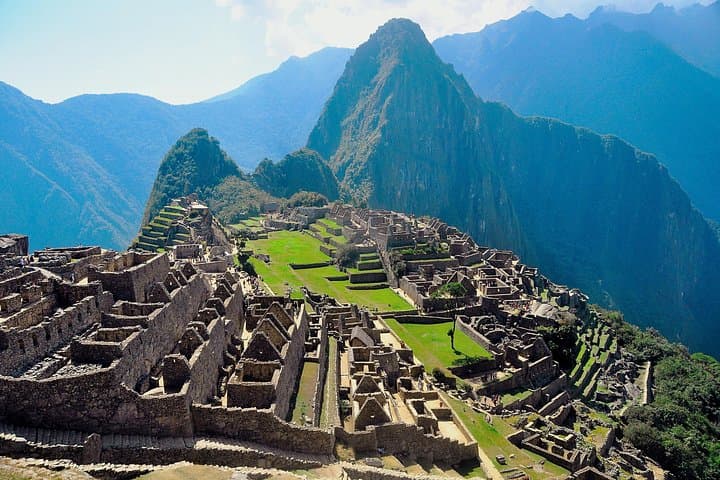
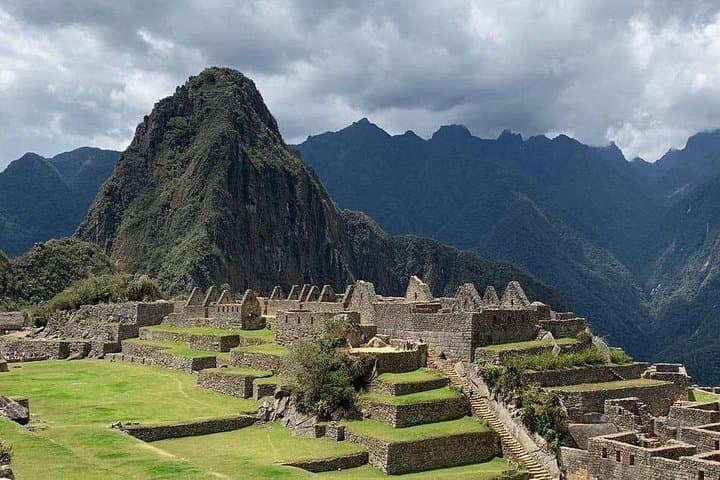
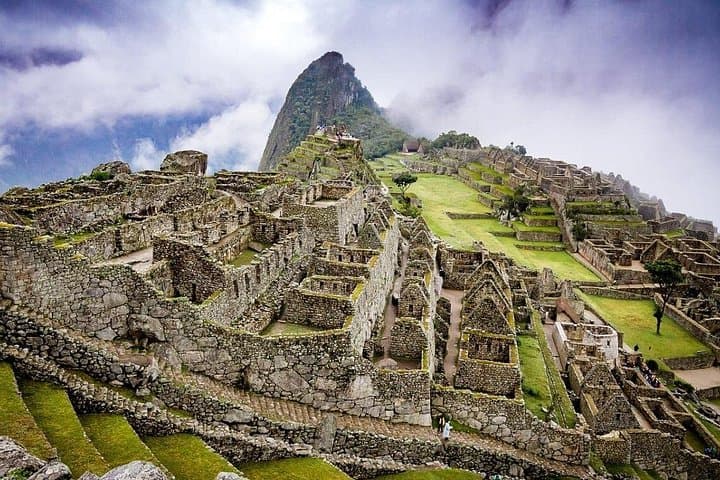
From lunch at the Wiñay Wayna camp the path climbs to Inti Punku (Puerta del Sol, 2,730 m). The first full view of Machu Picchu unfurls there: a citadel of finely cut stone balancing over ridges and mist, its plazas and terraces laid into the mountain like a purpose-built amphitheater.
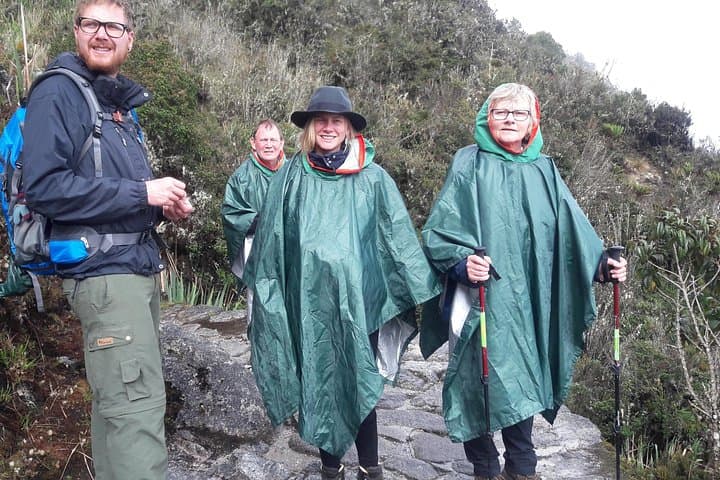
Expect a long but attainable day—roughly 12–15 hours door-to-door—with notable elevation changes and uneven stone steps. Practicalities: carry a permit-compatible ticket (this tour includes train and entrance), bring layered clothing for sun-to-squall shifts, and hydrate for altitude. Footwear with good grip and poles for the descent make the final hour into the citadel far easier. Guide time on-site provides historical context for the terraces, agricultural sectors, and temples; reserve Huayna Picchu in advance if you want the classic peak photo. With planning, the day delivers both the archaeology and the high-mountain drama that make Machu Picchu singular.
moderate.
12–15 hours.
Good aerobic fitness recommended—several hours of uphill hiking with uneven stone steps; not technical but demanding over time.
Expect roughly 3–4 hours to Wiñay Wayna and another 1–1.5 hours to Inti Punku, then about an hour descending into the citadel—total on-trail time around 4–6 hours depending on pace.
This tour includes train tickets, Inca Trail and Machu Picchu entrance, and a box lunch; verify if Huayna Picchu is guaranteed or optional when booking.
No; the itinerary notes it's not recommended for travelers with spinal injuries, pregnancy, or serious heart conditions due to long hiking and altitude.
You should allow 48–72 hours in Cusco to acclimate. Some people manage without it, but symptoms of altitude sickness can impair the experience and safety.
Machu Picchu was built in the 15th century during the Inca Empire and served ceremonial and possibly administrative functions; the trail segments you walk are part of a broader network connecting highland communities.
Visitor numbers are regulated by permits and timed entry to limit erosion and wear on terraces and trails; stick to marked paths and avoid touching exposed masonry.
Inca Trail Specialist operates guided outdoor trips and adventures with an emphasis on safety, stewardship, and memorable experiences.
You step onto the platform before dawn, the Andes air sharp enough to wake every sense. A private transfer from Cusco deposits you at Ollantaytambo; the Expedition train threads the Sacred Valley and drops you at km 104 (≈2,100 m). From there the trail lifts steadily, the Urubamba River folding away below as Inca stonework and cloud-shaded terraces appear like chapters of an old map.
You step onto the platform before dawn, the Andes air sharp enough to wake every sense. A private transfer from Cusco deposits you at Ollantaytambo; the Expedition train threads the Sacred Valley and drops you at km 104 (≈2,100 m). From there the trail lifts steadily, the Urubamba River folding away below as Inca stonework and cloud-shaded terraces appear like chapters of an old map.
The hike to Wiñay Wayna (2,650 m) takes roughly three hours and winds past niches, stairways and irrigation channels—evidence of Inca engineering carved into steep shale and granite. Wiñay Wayna itself is the second-largest set of ruins on the classic Inca Trail, a compact complex of terraces and ceremonial spaces that read as both agricultural lab and pilgrimage stop.
From lunch at the Wiñay Wayna camp the path climbs to Inti Punku (Puerta del Sol, 2,730 m). The first full view of Machu Picchu unfurls there: a citadel of finely cut stone balancing over ridges and mist, its plazas and terraces laid into the mountain like a purpose-built amphitheater.
Expect a long but attainable day—roughly 12–15 hours door-to-door—with notable elevation changes and uneven stone steps. Practicalities: carry a permit-compatible ticket (this tour includes train and entrance), bring layered clothing for sun-to-squall shifts, and hydrate for altitude. Footwear with good grip and poles for the descent make the final hour into the citadel far easier. Guide time on-site provides historical context for the terraces, agricultural sectors, and temples; reserve Huayna Picchu in advance if you want the classic peak photo. With planning, the day delivers both the archaeology and the high-mountain drama that make Machu Picchu singular.