THE ADVENTURE COLLECTIVE® · Independent discovery and booking for outdoor travel

A full‑day guided tour through Inanda and Cato Manor that visits Ohlange Institute, Gandhi’s Phoenix Settlement and the restored Inanda Seminary. Expect guided interpretation, village lanes, and accessible walking combined with historical context.
A full‑day guided tour through Inanda and Cato Manor that visits Ohlange Institute, Gandhi’s Phoenix Settlement and the restored Inanda Seminary. Expect guided interpretation, village lanes, and accessible walking combined with historical context.
You step off an air‑conditioned minibus into the heat of KwaZulu‑Natal and are met by a lane of corrugated roofs, dusty footpaths and voices that recall a century of social change.
Verified experiences and guided adventures in the surrounding area.
Operated by Afro Zulu tours · Inanda, KwaZulu-Natal
You step off an air‑conditioned minibus into the heat of KwaZulu‑Natal and are met by a lane of corrugated roofs, dusty footpaths and voices that recall a century of social change.
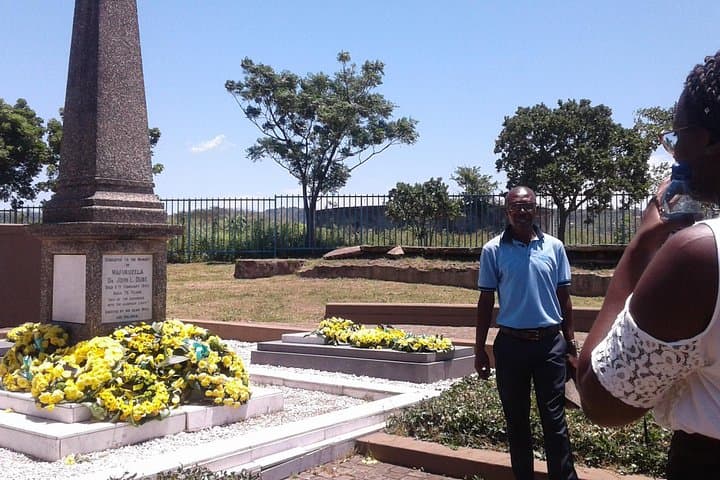
The Inanda Heritage route traces sites that shaped South Africa’s modern political life: the Ohlange Institute founded by John Dube where Nelson Mandela cast his vote in 1994; the Phoenix Settlement with Gandhi’s restored home and printing press; and the Inanda Seminary, one of the region’s oldest girls’ schools. Cato Manor introduces a different urban story — migration, struggle and the growth of Durban’s working‑class neighborhoods.
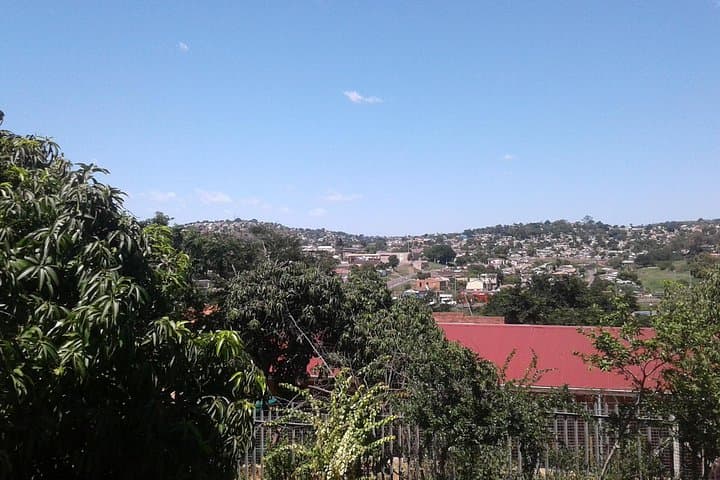
Geologically the land is gentle coastal plain with red‑brown soils that support sugar‑belt vegetation; small rivers and drainage lines cut through the settlements, giving local topography its low ridges and narrow gullies. Cultural layers are visible in churchyards, mission buildings and vernacular houses — each site a chapter in colonial, missionary and anti‑apartheid histories.
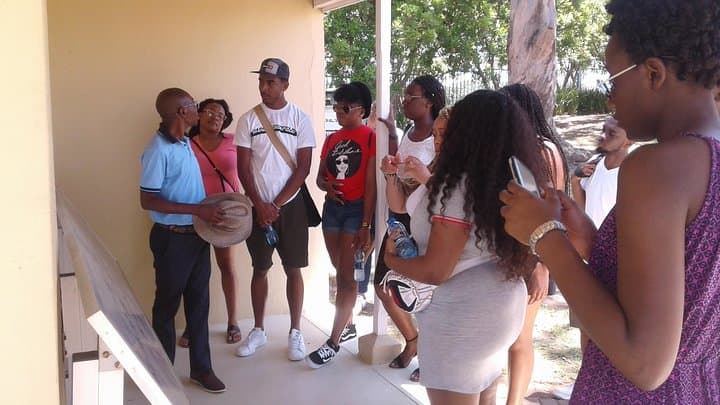
On this full‑day route expect guided stops of 45–60 minutes, interpretive talks, restored homes and narrow village lanes that require comfortable walking. Wear sturdy shoes, bring sun protection and a water bottle; mornings are best for photography and cooler walks. Respect worship times at Shembe sites and ask before photographing people. The tour balances historical interpretation with on‑the‑ground rhythms — a day that moves between headlines of national history and the ordinary textures of community life.
easy.
6–7 hours.
Suitable for most fitness levels; involves several short, easy walks and standing during interpretation.
The tour runs about 6–7 hours with scheduled stops of 45–60 minutes at major sites.
Yes; walking is light and the itinerary is suitable for most ages, though there is some standing and uneven ground.
Admission details vary by site—some stops include admission while others are viewed from outside; check the booking for specifics.
You can photograph most architectural sites, but always ask permission before photographing people, especially at places of worship.
The route links key institutions founded by leaders such as John Dube and Mahatma Gandhi and traces missions, schools and settlements central to South Africa’s political and social development.
Respect local communities by minimizing plastic waste, staying on paths and supporting local vendors; many sites balance preservation with daily community life.
Afro Zulu tours operates guided outdoor trips and adventures with an emphasis on safety, stewardship, and memorable experiences.
You step off an air‑conditioned minibus into the heat of KwaZulu‑Natal and are met by a lane of corrugated roofs, dusty footpaths and voices that recall a century of social change.
You step off an air‑conditioned minibus into the heat of KwaZulu‑Natal and are met by a lane of corrugated roofs, dusty footpaths and voices that recall a century of social change.
The Inanda Heritage route traces sites that shaped South Africa’s modern political life: the Ohlange Institute founded by John Dube where Nelson Mandela cast his vote in 1994; the Phoenix Settlement with Gandhi’s restored home and printing press; and the Inanda Seminary, one of the region’s oldest girls’ schools. Cato Manor introduces a different urban story — migration, struggle and the growth of Durban’s working‑class neighborhoods.
Geologically the land is gentle coastal plain with red‑brown soils that support sugar‑belt vegetation; small rivers and drainage lines cut through the settlements, giving local topography its low ridges and narrow gullies. Cultural layers are visible in churchyards, mission buildings and vernacular houses — each site a chapter in colonial, missionary and anti‑apartheid histories.
On this full‑day route expect guided stops of 45–60 minutes, interpretive talks, restored homes and narrow village lanes that require comfortable walking. Wear sturdy shoes, bring sun protection and a water bottle; mornings are best for photography and cooler walks. Respect worship times at Shembe sites and ask before photographing people. The tour balances historical interpretation with on‑the‑ground rhythms — a day that moves between headlines of national history and the ordinary textures of community life.