THE ADVENTURE COLLECTIVE® · Independent discovery and booking for outdoor travel

Escape Tokyo for a private day through the quieter side of Mt. Fuji country — from mirror-like Lake Shoji and Asagiri’s grasslands to the curtain of Shiraito Falls and serene tea fields. This guided, small-group route favors slow moments and photographic light.
Escape Tokyo for a private day through the quieter side of Mt. Fuji country — from mirror-like Lake Shoji and Asagiri’s grasslands to the curtain of Shiraito Falls and serene tea fields. This guided, small-group route favors slow moments and photographic light.
The morning air in the shadow of Mt. Fuji has a particular clarity — cool, with a hint of grass and freshly turned earth. On an Inaka Excursions day tour you leave Tokyo’s glass-and-traffic hum behind and drive into a widening landscape: dairy farms give way to tea terraces, small country roads thread through cedar, and the mountain grows larger with each turn in the valley.
Verified experiences and guided adventures in the surrounding area.
Operated by Julian Berthiaume · Fujinomiya, Shizuoka Prefecture
The morning air in the shadow of Mt. Fuji has a particular clarity — cool, with a hint of grass and freshly turned earth. On an Inaka Excursions day tour you leave Tokyo’s glass-and-traffic hum behind and drive into a widening landscape: dairy farms give way to tea terraces, small country roads thread through cedar, and the mountain grows larger with each turn in the valley.
On this private, small-group outing you’ll move at a slow, human pace. The itinerary stitches together Lake Shoji’s reflective water, the wide sweep of Asagiri Plateau, the whispering curtain of Shiraito Falls, a farmhouse lunch, and tea-field vistas at Ōbuchi Sasaba. Guides are local photographers and storytellers: they’ll point out where volcanic ash hardened into pumice, how irrigation shaped tea rows, and which vantage catches Fuji’s reflection inverted in the lake.
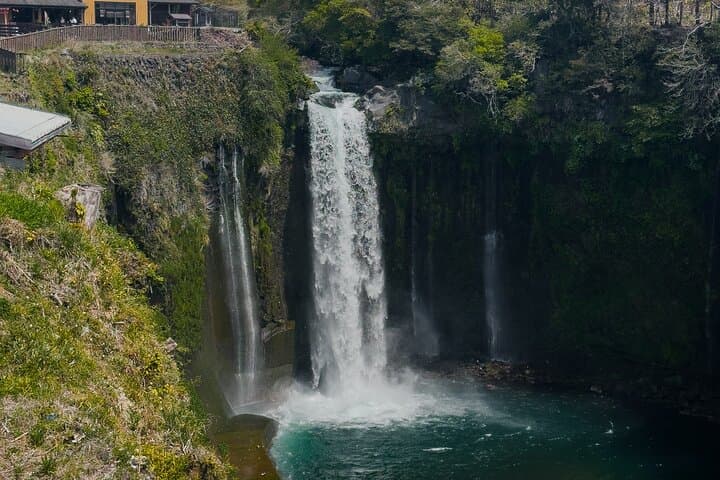
Geology is the quiet protagonist. Mt. Fuji’s last major eruption in the early 18th century reshaped drainage and created a network of spring-fed streams that feed Shiraito Falls — hundreds of thin streams that shimmer like silk. Culturally, the fields and farms you pass are part of a living rural landscape; tea grown here carries techniques refined over centuries and a rhythm tied to seasons and harvest.
Practicalities are straightforward. Expect a 9–11 hour day (pickup in Tokyo is included), with moderate walking: short paved paths, viewing platforms, and easy countryside strolls rather than strenuous hikes. Your guide handles parking, timing for the best light, and a calm farmhouse lunch that showcases local dairy and seasonal sides. Photography lovers should plan for golden-hour windows at Panorama-dai and Lake Shoji, and bring layered clothing — mountain weather can shift quickly.
Tips for the trip: wear grippy walking shoes for wet viewing paths at Shiraito; bring a compact rain shell; carry water and a charged camera battery; and keep cash handy for roadside snacks or small purchases at local stations. Be mindful of private farm plots: stick to paths, remove shoe grit before entering farm buildings, and accept invitations to try local produce — it’s part of the experience.
Inaka Excursions is not about extremes; it’s about slowing your itinerary to see how landscape, geology and rural life frame Mt. Fuji. The payoff is undeniable: quiet views, unexpected details — tea leaves glinting with dew, cool spray from a waterfall daring you to step closer, and the mountain holding its steady, ancient watch.
moderate.
9–11 hours.
Requires a moderate fitness level for short walks, stairs at viewing platforms, and full-day comfort in a vehicle and on feet
This is a full-day private tour lasting about 9–11 hours with hotel pickup and drop-off in Tokyo; exact pickup time is roughly 30 minutes before departure.
Yes — the pace is gentle with mostly short walks and viewing platforms, though travelers should be comfortable with a full day out and some uneven ground.
Yes — the tour includes admission/entrance fees where applicable and a traditional farmhouse lunch featuring local dairy and seasonal sides.
Views depend on weather and visibility; guides choose vantage points to maximize chances, but complete visibility cannot be guaranteed.
Yes — Inaka Excursions is offered as a small private group, providing flexible pacing and photographic stops.
Carry some cash for small roadside purchases; major inclusions are covered but many rural vendors prefer cash.
The foot of Mt. Fuji has been farmed for centuries; volcanic soils and spring-fed streams shaped settlement patterns and agricultural practices in the region.
The area's spring water and streams are protected as critical sources feeding waterfalls and lakes; visitors are asked to stick to paths and avoid single-use plastics where possible.
Julian Berthiaume operates guided outdoor trips and adventures with an emphasis on safety, stewardship, and memorable experiences.
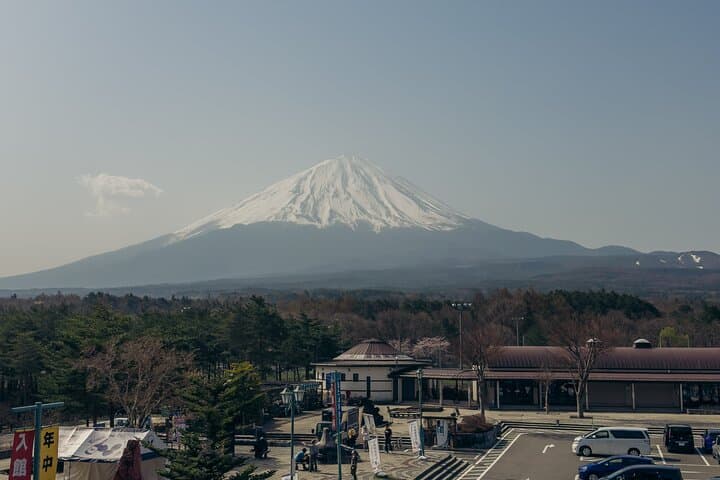
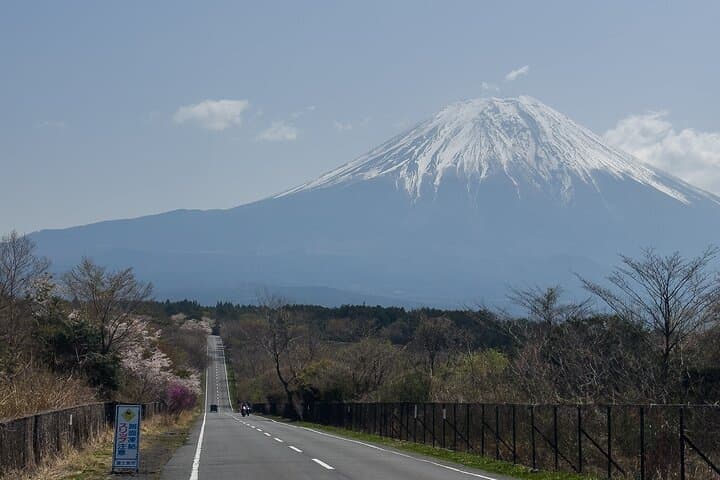
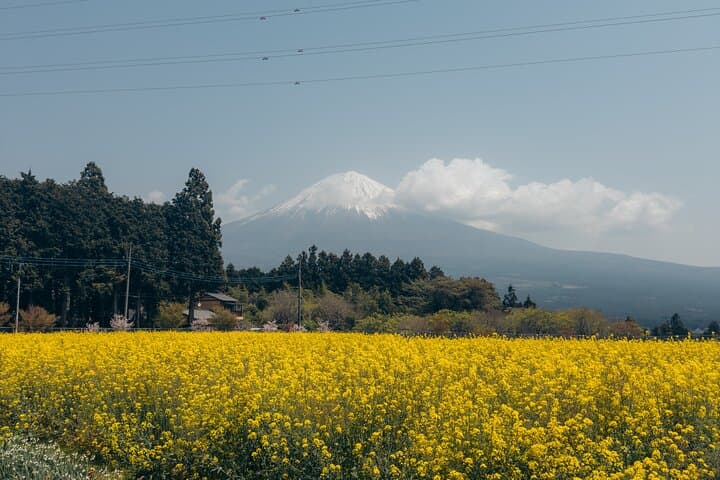
The morning air in the shadow of Mt. Fuji has a particular clarity — cool, with a hint of grass and freshly turned earth. On an Inaka Excursions day tour you leave Tokyo’s glass-and-traffic hum behind and drive into a widening landscape: dairy farms give way to tea terraces, small country roads thread through cedar, and the mountain grows larger with each turn in the valley.
The morning air in the shadow of Mt. Fuji has a particular clarity — cool, with a hint of grass and freshly turned earth. On an Inaka Excursions day tour you leave Tokyo’s glass-and-traffic hum behind and drive into a widening landscape: dairy farms give way to tea terraces, small country roads thread through cedar, and the mountain grows larger with each turn in the valley.
On this private, small-group outing you’ll move at a slow, human pace. The itinerary stitches together Lake Shoji’s reflective water, the wide sweep of Asagiri Plateau, the whispering curtain of Shiraito Falls, a farmhouse lunch, and tea-field vistas at Ōbuchi Sasaba. Guides are local photographers and storytellers: they’ll point out where volcanic ash hardened into pumice, how irrigation shaped tea rows, and which vantage catches Fuji’s reflection inverted in the lake.
Geology is the quiet protagonist. Mt. Fuji’s last major eruption in the early 18th century reshaped drainage and created a network of spring-fed streams that feed Shiraito Falls — hundreds of thin streams that shimmer like silk. Culturally, the fields and farms you pass are part of a living rural landscape; tea grown here carries techniques refined over centuries and a rhythm tied to seasons and harvest.
Practicalities are straightforward. Expect a 9–11 hour day (pickup in Tokyo is included), with moderate walking: short paved paths, viewing platforms, and easy countryside strolls rather than strenuous hikes. Your guide handles parking, timing for the best light, and a calm farmhouse lunch that showcases local dairy and seasonal sides. Photography lovers should plan for golden-hour windows at Panorama-dai and Lake Shoji, and bring layered clothing — mountain weather can shift quickly.
Tips for the trip: wear grippy walking shoes for wet viewing paths at Shiraito; bring a compact rain shell; carry water and a charged camera battery; and keep cash handy for roadside snacks or small purchases at local stations. Be mindful of private farm plots: stick to paths, remove shoe grit before entering farm buildings, and accept invitations to try local produce — it’s part of the experience.
Inaka Excursions is not about extremes; it’s about slowing your itinerary to see how landscape, geology and rural life frame Mt. Fuji. The payoff is undeniable: quiet views, unexpected details — tea leaves glinting with dew, cool spray from a waterfall daring you to step closer, and the mountain holding its steady, ancient watch.