THE ADVENTURE COLLECTIVE® · Independent discovery and booking for outdoor travel

Walk through Florence in two hours, tracing Leonardo’s influences from the Uffizi’s doorway to Medici palaces and an interactive museum of inventions. Practical tips for timing, footwear, and avoiding lines help you get the most from a compact Renaissance tour.
Walk through Florence in two hours, tracing Leonardo’s influences from the Uffizi’s doorway to Medici palaces and an interactive museum of inventions. Practical tips for timing, footwear, and avoiding lines help you get the most from a compact Renaissance tour.
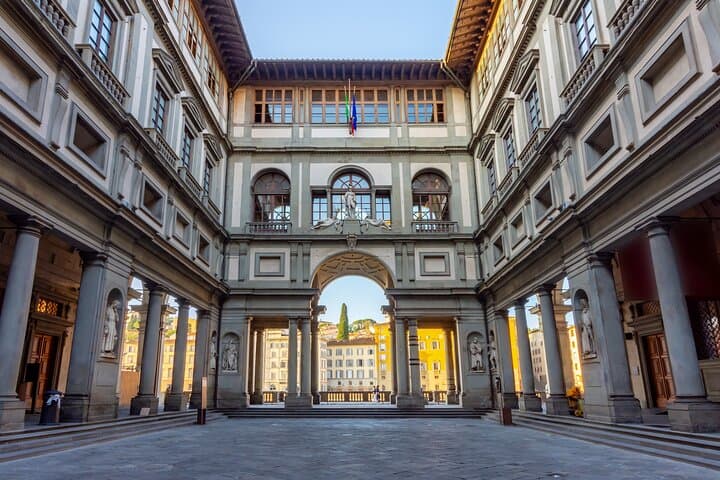
The tour opens on a sun-warmed piazza outside the Uffizi, where cobblestones whisper with centuries of footsteps and the Arno watches the city move. You step off a modern sidewalk and into streets that still carry the rhythm of merchants and patrons who shaped the Renaissance.
Verified experiences and guided adventures in the surrounding area.
Operated by Opatrip.com Lithuania · Florence, Tuscany
The tour opens on a sun-warmed piazza outside the Uffizi, where cobblestones whisper with centuries of footsteps and the Arno watches the city move. You step off a modern sidewalk and into streets that still carry the rhythm of merchants and patrons who shaped the Renaissance.
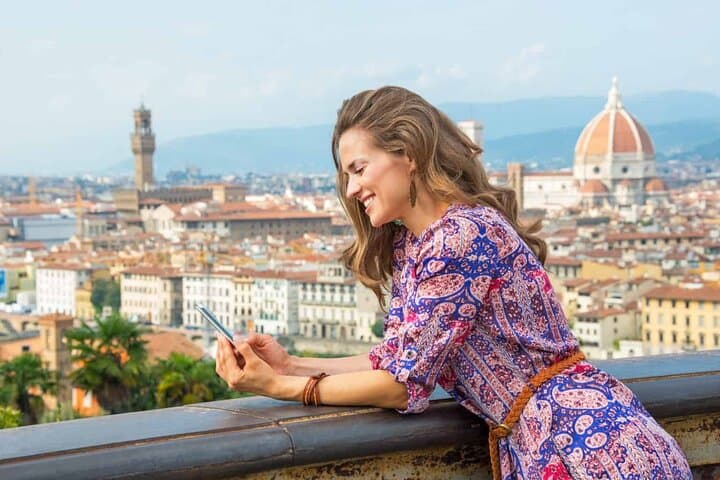
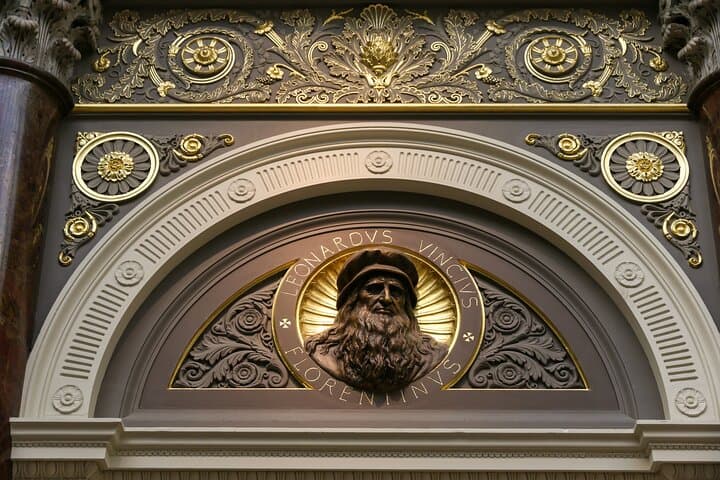
Florence’s compact center sits on the Arno’s alluvial plain, its stone facades and carved cornices recording marble tastes and Medici ambition. On this two-hour circuit you’ll pass the Palazzo Vecchio’s fortress-like silhouette, the Medici palace exteriors, and an interactive Leonardo museum that translates sketches into touchable mechanics. The Uffizi’s exterior and Piazza San Marco frame the city’s civic and artistic power—the same skyline that watched Leonardo sketch anatomy and machines.
Culturally, the walk connects patronage, politics, and craft: guild halls that financed altarpieces, streets where apprentices learned, and squares that still host conversation. Locals prize the slow hour between lunch and early evening for wandering; museums tighten lines mid-morning and late afternoon.
Practical guidance: book a morning or late-afternoon slot to avoid peak museum crowds, bring a small bottle of water and a lightweight daypack, and wear supportive shoes for uneven pavements. Expect mostly flat walking with short stair sections in some palazzo exteriors. Keep your passport or ID for ticket pickup, and allow flexibility for brief stops to view façades or step into a bar for coffee.
This guided route pairs rich context with efficient pacing—ideal for travelers who want art, architecture, and the practical know-how to move through Florence confidently.
easy.
2 hours.
Suitable for most fitness levels; requires standing and walking on uneven city pavement for two hours.
This itinerary lists the Uffizi as an exterior meeting point; interior admission is not included—confirm with your booking for optional add-ons.
Yes—it's labeled physically easy with modest walking distances, but participants should be able to stand and walk on uneven surfaces for two hours.
Guides are typically local and professional; check the booking page for available language options or request a private-guide language preference.
Full refunds are available if you cancel at least 24 hours before the start time; details are provided at booking.
Florence grew wealthy from wool and banking; Medici patronage transformed civic spaces and funded artists like Leonardo, whose experiments bridged art and engineering.
High foot traffic affects historic streets and interiors—respect signage, avoid touching frescoes, and support local guides to help preserve sites.
Opatrip.com Lithuania operates guided outdoor trips and adventures with an emphasis on safety, stewardship, and memorable experiences.
The tour opens on a sun-warmed piazza outside the Uffizi, where cobblestones whisper with centuries of footsteps and the Arno watches the city move. You step off a modern sidewalk and into streets that still carry the rhythm of merchants and patrons who shaped the Renaissance.
The tour opens on a sun-warmed piazza outside the Uffizi, where cobblestones whisper with centuries of footsteps and the Arno watches the city move. You step off a modern sidewalk and into streets that still carry the rhythm of merchants and patrons who shaped the Renaissance.
Florence’s compact center sits on the Arno’s alluvial plain, its stone facades and carved cornices recording marble tastes and Medici ambition. On this two-hour circuit you’ll pass the Palazzo Vecchio’s fortress-like silhouette, the Medici palace exteriors, and an interactive Leonardo museum that translates sketches into touchable mechanics. The Uffizi’s exterior and Piazza San Marco frame the city’s civic and artistic power—the same skyline that watched Leonardo sketch anatomy and machines.
Culturally, the walk connects patronage, politics, and craft: guild halls that financed altarpieces, streets where apprentices learned, and squares that still host conversation. Locals prize the slow hour between lunch and early evening for wandering; museums tighten lines mid-morning and late afternoon.
Practical guidance: book a morning or late-afternoon slot to avoid peak museum crowds, bring a small bottle of water and a lightweight daypack, and wear supportive shoes for uneven pavements. Expect mostly flat walking with short stair sections in some palazzo exteriors. Keep your passport or ID for ticket pickup, and allow flexibility for brief stops to view façades or step into a bar for coffee.
This guided route pairs rich context with efficient pacing—ideal for travelers who want art, architecture, and the practical know-how to move through Florence confidently.