THE ADVENTURE COLLECTIVE® · Independent discovery and booking for outdoor travel

Cross imperial China and tropical Bali in 12 days: walk the Great Wall, stand before the Terracotta Warriors, cruise the Li River’s karst theater, then trade temples for volcano views and coffee farms in Bali. This tour blends history, geology, and accessible adventure.
Cross imperial China and tropical Bali in 12 days: walk the Great Wall, stand before the Terracotta Warriors, cruise the Li River’s karst theater, then trade temples for volcano views and coffee farms in Bali. This tour blends history, geology, and accessible adventure.
You step off a modern train into the shadow of an ancient wall — wind tugging at your jacket as the Great Wall curves away like a weathered spine. Days later the air in Xi’an smells of warm sesame from Muslim Street; river mist in Guilin softens the limestone karsts into ink-wash silhouettes; in Bali, jungle and sea trade places, and Mount Batur watches with slow, volcanic patience.
Verified experiences and guided adventures in the surrounding area.
Operated by Wtrip · Beijing, Beijing
You step off a modern train into the shadow of an ancient wall — wind tugging at your jacket as the Great Wall curves away like a weathered spine. Days later the air in Xi’an smells of warm sesame from Muslim Street; river mist in Guilin softens the limestone karsts into ink-wash silhouettes; in Bali, jungle and sea trade places, and Mount Batur watches with slow, volcanic patience.
This itinerary threads four landscapes and histories: Beijing’s imperial core and Ming-era ramparts; Xi’an’s Tang-era streets and the silent phalanx of the Terracotta Warriors; Guilin and Yangshuo’s karst towers carved by eons of river action; and Bali’s Hindu temples, volcanic highlands, and coffee terraces. Geology shapes the scenes — karst towers rising from fluvial plains, a volcanic caldera cradling a lake — while culture layers ritual, crafts, and cuisine onto the terrain.
Expect guided museum visits, a Li River cruise past sheer limestone cliffs, a high-speed train between cities, and short domestic flights to Bali. Walks vary from paved palace grounds and city streets to stepped viewpoints and light hiking around waterfalls and volcano overlooks.
Practical guidance: travel light but plan for many shoe changes – comfortable walking shoes for ruins and town streets, sturdy sandals for Bali, and a compact rain shell. Carry a daypack with water, passport copies, and local currency for markets. Pace yourself: museum days are low-impact; Great Wall and volcano viewpoints involve stairs and uneven surfaces. Allow buffer time for domestic flights and local transfers; comfortable shoes and patience make this multi-ecosystem trip feel cohesive rather than rushed.
moderate.
12 days.
Able to walk several hours a day, negotiate stairs and uneven surfaces; not technical but requires stamina for full days of sightseeing
Visa requirements depend on your nationality; check entry rules for China and Indonesia well before travel and ensure passport validity meets both countries' requirements.
Expect moderate daily walking: paved palaces and city streets, plus stairs on the Great Wall and short hikes at waterfalls and viewpoints—comfortable shoes are essential.
Yes; the private-tour option and included transfers make solo travel straightforward, though single-supplement policies may apply when booking.
Yes—high-speed trains and domestic flights listed in the itinerary are included, but allow time for transfers and airport procedures.
This route connects dynastic China — Ming-era Great Wall defenses and Qin-era funerary art — with Bali’s centuries-old Hindu traditions and agrarian cultures.
Heavy tourism in popular sites stresses local ecosystems; stick to marked trails, support local guides and handicraft sellers, and minimize single-use plastics.
Wtrip operates guided outdoor trips and adventures with an emphasis on safety, stewardship, and memorable experiences.
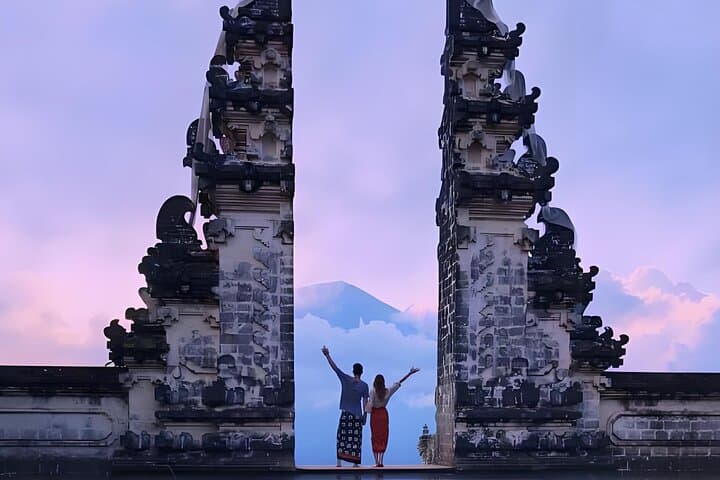


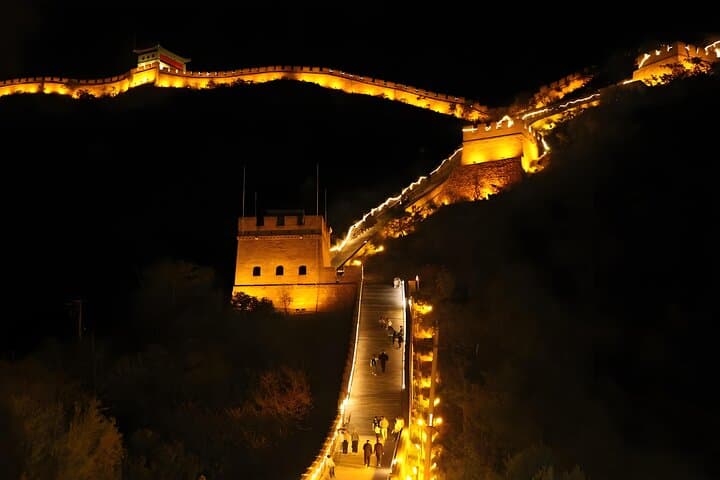
You step off a modern train into the shadow of an ancient wall — wind tugging at your jacket as the Great Wall curves away like a weathered spine. Days later the air in Xi’an smells of warm sesame from Muslim Street; river mist in Guilin softens the limestone karsts into ink-wash silhouettes; in Bali, jungle and sea trade places, and Mount Batur watches with slow, volcanic patience.
You step off a modern train into the shadow of an ancient wall — wind tugging at your jacket as the Great Wall curves away like a weathered spine. Days later the air in Xi’an smells of warm sesame from Muslim Street; river mist in Guilin softens the limestone karsts into ink-wash silhouettes; in Bali, jungle and sea trade places, and Mount Batur watches with slow, volcanic patience.
This itinerary threads four landscapes and histories: Beijing’s imperial core and Ming-era ramparts; Xi’an’s Tang-era streets and the silent phalanx of the Terracotta Warriors; Guilin and Yangshuo’s karst towers carved by eons of river action; and Bali’s Hindu temples, volcanic highlands, and coffee terraces. Geology shapes the scenes — karst towers rising from fluvial plains, a volcanic caldera cradling a lake — while culture layers ritual, crafts, and cuisine onto the terrain.
Expect guided museum visits, a Li River cruise past sheer limestone cliffs, a high-speed train between cities, and short domestic flights to Bali. Walks vary from paved palace grounds and city streets to stepped viewpoints and light hiking around waterfalls and volcano overlooks.
Practical guidance: travel light but plan for many shoe changes – comfortable walking shoes for ruins and town streets, sturdy sandals for Bali, and a compact rain shell. Carry a daypack with water, passport copies, and local currency for markets. Pace yourself: museum days are low-impact; Great Wall and volcano viewpoints involve stairs and uneven surfaces. Allow buffer time for domestic flights and local transfers; comfortable shoes and patience make this multi-ecosystem trip feel cohesive rather than rushed.