THE ADVENTURE COLLECTIVE® · Independent discovery and booking for outdoor travel

Walk between Edo-era stone bridges and Tokyo Station’s iconic red brick on a guided two-hour tour that blends architecture, history, and city life. Perfect for first-time visitors who want a compact introduction to Marunouchi and the Imperial Palace Outer Gardens.
Walk between Edo-era stone bridges and Tokyo Station’s iconic red brick on a guided two-hour tour that blends architecture, history, and city life. Perfect for first-time visitors who want a compact introduction to Marunouchi and the Imperial Palace Outer Gardens.
The walk opens with the city breathing around you—the Imperial Palace moat pulling a cool ribbon through glass-and-granite Marunouchi while Tokyo Station’s red-brick façade watches commuters flow like tides. Participants move at an easy pace, stepping from a curated bookstore into the arcade of high-end shops, pausing where stone and steel meet the sky.
Verified experiences and guided adventures in the surrounding area.
Operated by gotcha · Tokyo, Tokyo
The walk opens with the city breathing around you—the Imperial Palace moat pulling a cool ribbon through glass-and-granite Marunouchi while Tokyo Station’s red-brick façade watches commuters flow like tides. Participants move at an easy pace, stepping from a curated bookstore into the arcade of high-end shops, pausing where stone and steel meet the sky.
This route traces layers of Tokyo history: Edo Castle’s defensive moats and gates, Meiji-era Western-style rebuilds such as Mitsubishi Ichigokan, and post‑earthquake Marunouchi reinvention. Geology here is subtle—reclaimed river terraces and made ground shaping street levels—so the experience is urban archaeology as much as a stroll. Cultural notes arrive in architecture, from Edo-period gates rebuilt in the 17th century to modern rooftop gardens that frame Tokyo’s skyline.
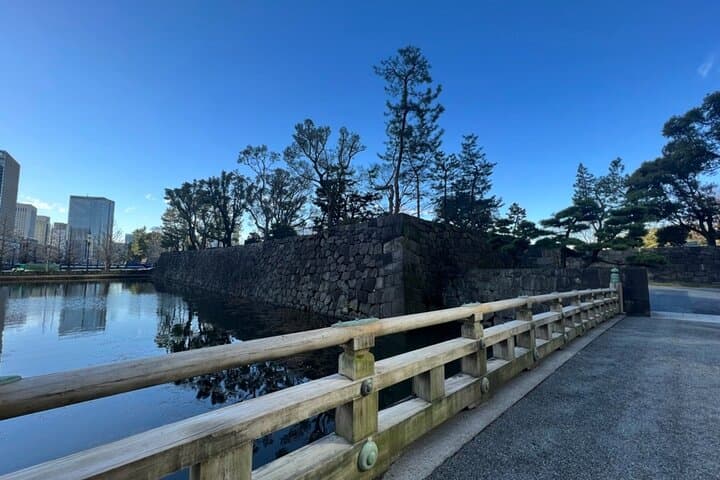
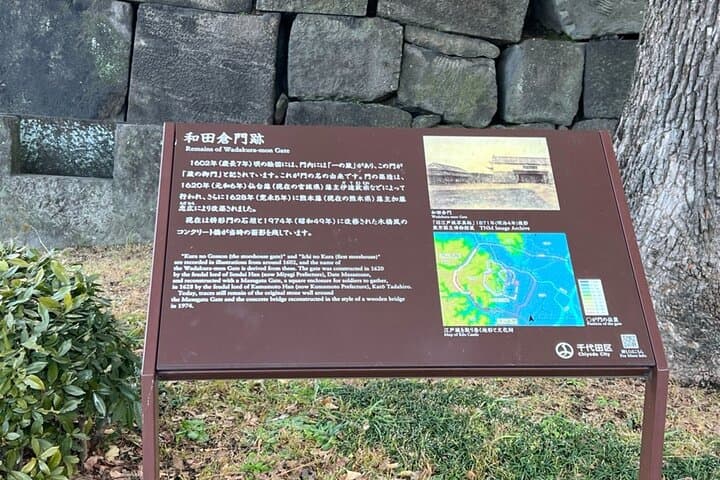
Expect short blocks between points of interest, photographic stops at Wadakura Bridge and Tokyo Station, and low exertion with many paved surfaces and benches. Guides explain architectural details, point out small shrine markers, and flag hidden courtyards where locals take their breaks.
Practical guidance: travel light and bring a charged phone for photos; the route is best in the morning or late afternoon to avoid heat and the busiest commuter windows. Public transport is the easiest way to arrive—Tokyo Station is central and accessible—and there are luggage storage options near the station if you’re connecting elsewhere. Rain in summer and occasional chilly winds in winter change the feel, so layer accordingly and leave room in your schedule for coffee breaks or museum detours.
easy.
2 hours.
Suitable for all fitness levels; mostly flat, paved walking with frequent stops
The tour lasts about two hours and proceeds at a relaxed pace with short stops for commentary and photos—suitable for most mobility levels.
This walking tour focuses on exterior viewing and guided commentary; any paid admissions encountered (museums or exhibits) are typically not included unless stated in the booking details.
Meet near Tokyo Station (confirm exact exit in your confirmation). The station’s Marunouchi side and the nearby Marunouchi Building are common meeting areas and are well signed on arrival.
Light carry-on is fine, but if you have larger luggage, use coin-locker storage at Tokyo Station or luggage services near major hotels before the tour.
The route skirts the outer defenses of Edo Castle—many gates and bridges visible today date from post‑Edo reconstructions or Meiji-era rebuilds that reflect Japan’s rapid modernization.
The Imperial Palace grounds and Marunouchi green spaces are managed to balance public access with preservation—stay on paths, dispose of trash properly, and avoid feeding wildlife.
gotcha operates guided outdoor trips and adventures with an emphasis on safety, stewardship, and memorable experiences.
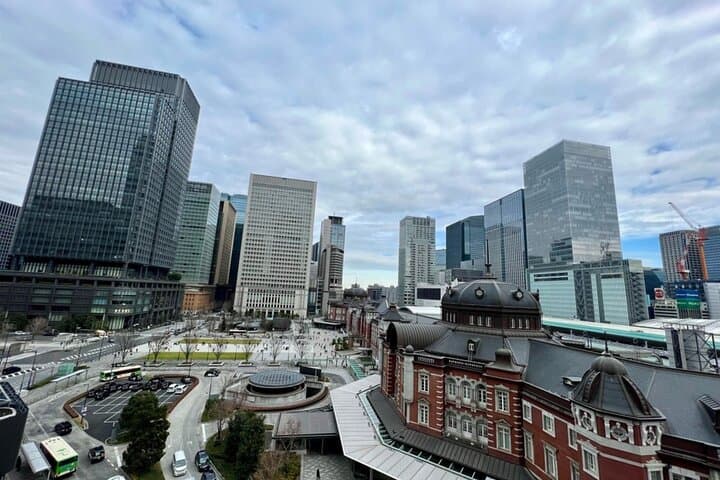
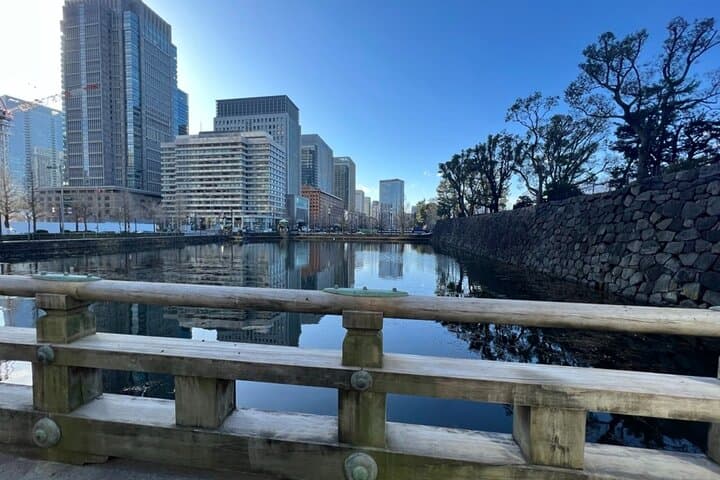
The walk opens with the city breathing around you—the Imperial Palace moat pulling a cool ribbon through glass-and-granite Marunouchi while Tokyo Station’s red-brick façade watches commuters flow like tides. Participants move at an easy pace, stepping from a curated bookstore into the arcade of high-end shops, pausing where stone and steel meet the sky.
The walk opens with the city breathing around you—the Imperial Palace moat pulling a cool ribbon through glass-and-granite Marunouchi while Tokyo Station’s red-brick façade watches commuters flow like tides. Participants move at an easy pace, stepping from a curated bookstore into the arcade of high-end shops, pausing where stone and steel meet the sky.
This route traces layers of Tokyo history: Edo Castle’s defensive moats and gates, Meiji-era Western-style rebuilds such as Mitsubishi Ichigokan, and post‑earthquake Marunouchi reinvention. Geology here is subtle—reclaimed river terraces and made ground shaping street levels—so the experience is urban archaeology as much as a stroll. Cultural notes arrive in architecture, from Edo-period gates rebuilt in the 17th century to modern rooftop gardens that frame Tokyo’s skyline.
Expect short blocks between points of interest, photographic stops at Wadakura Bridge and Tokyo Station, and low exertion with many paved surfaces and benches. Guides explain architectural details, point out small shrine markers, and flag hidden courtyards where locals take their breaks.
Practical guidance: travel light and bring a charged phone for photos; the route is best in the morning or late afternoon to avoid heat and the busiest commuter windows. Public transport is the easiest way to arrive—Tokyo Station is central and accessible—and there are luggage storage options near the station if you’re connecting elsewhere. Rain in summer and occasional chilly winds in winter change the feel, so layer accordingly and leave room in your schedule for coffee breaks or museum detours.