THE ADVENTURE COLLECTIVE® · Independent discovery and booking for outdoor travel

Trace Morocco’s imperial past and Sahara dunes on an eight-day loop from Casablanca. This private tour blends medinas, kasbahs, cedar forests and a luxury desert camp with long scenic drives and local-led cultural insights.
Trace Morocco’s imperial past and Sahara dunes on an eight-day loop from Casablanca. This private tour blends medinas, kasbahs, cedar forests and a luxury desert camp with long scenic drives and local-led cultural insights.
Dawn breaks over Casablanca’s Atlantic edge and the Hassan II Mosque’s minaret sketches a thin shadow on the quay. From that ocean-swept start the route threads north to Rabat’s ramparts, east through Fes’s maze of alleys, then climbs toward the cedar-scented plateaus before spilling into the ochre sea of Merzouga’s dunes.
Verified experiences and guided adventures in the surrounding area.
Operated by Luxury Travel Desert · Casablanca, Casablanca-Settat
Dawn breaks over Casablanca’s Atlantic edge and the Hassan II Mosque’s minaret sketches a thin shadow on the quay. From that ocean-swept start the route threads north to Rabat’s ramparts, east through Fes’s maze of alleys, then climbs toward the cedar-scented plateaus before spilling into the ochre sea of Merzouga’s dunes.
This itinerary stitches together Morocco’s layered history: Roman Volubilis’ mosaics speak of imperial administration, fortified ksars like Ait Benhaddou recall trans-Saharan caravans, and Fes preserves centuries of Islamic scholarship in its medina and madrasas. Geology is dramatic — the High Atlas rises to alpine passes above 2,000 m, Todra Gorge cleaves cliffs up to 600 m, and Erg Chebbi’s dunes crest in golden arcs shaped by wind and time.
Culturally the trip alternates studio sets and living towns; Ouarzazate’s film studios meet nomadic camps where Berber music keeps its tempo. Expect a mix of comfortable riads, a luxury desert camp, long driving days and short guided walks. Some transfers can be 4–9 hours; plan for winding mountain roads and altitude changes. Practical pointers: carry layered clothing for hot days and cold desert nights, bring cash for local markets, and wear closed shoes for medina cobbles and dune climbs. Hydrate ahead of long drives and schedule medina visits early to avoid midday crowds.
Respect local customs when photographing people and accept that bargaining is part of the market rhythm. With basic preparation this eight-day loop delivers concentrated culture, striking landscapes and the unobtrusive drama of the desert night sky.
moderate.
8 days.
Suitable for travelers with average fitness who can manage several hours of walking on uneven terrain and handle long vehicle transfers.
Private transport, most breakfasts and dinners, all accommodations listed, a licensed guide, and specific activities noted (e.g., camel ride and desert camp stay) are included—check the booking page for exact inclusions.
Yes; the itinerary is rated easy-to-moderate and is suitable for a wide range of ages, though long road transfers and uneven ground in medinas or gorges may be challenging for some.
Visa requirements depend on your nationality—check Morocco’s entry rules. Routine vaccinations are generally sufficient; consult your healthcare provider for travel-specific advice.
Private rooms are standard in riads and hotels; dietary restrictions can usually be accommodated if noted at booking—confirm with the operator before arrival.
The route follows ancient trade corridors: Roman Volubilis was a provincial capital, while kasbah-lined caravan paths ferried salt, gold and ideas between the Sahara and imperial cities.
Desert and mountain ecosystems are fragile—stick to paths, limit water use, and support local guides and camps that minimize waste and use renewable practices where available.
Luxury Travel Desert operates guided outdoor trips and adventures with an emphasis on safety, stewardship, and memorable experiences.
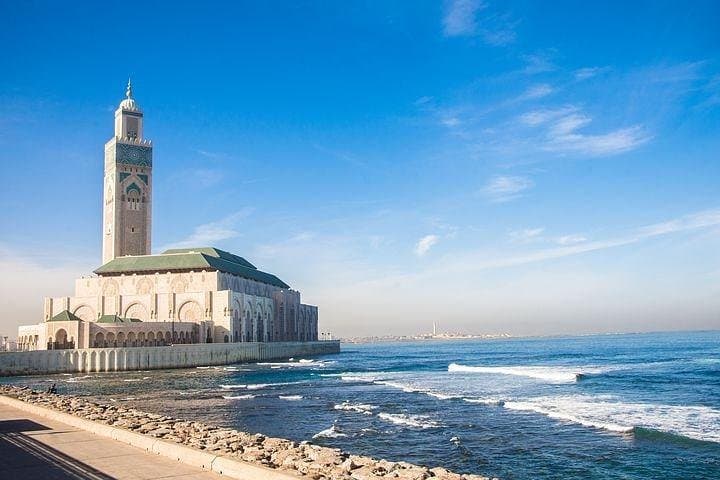
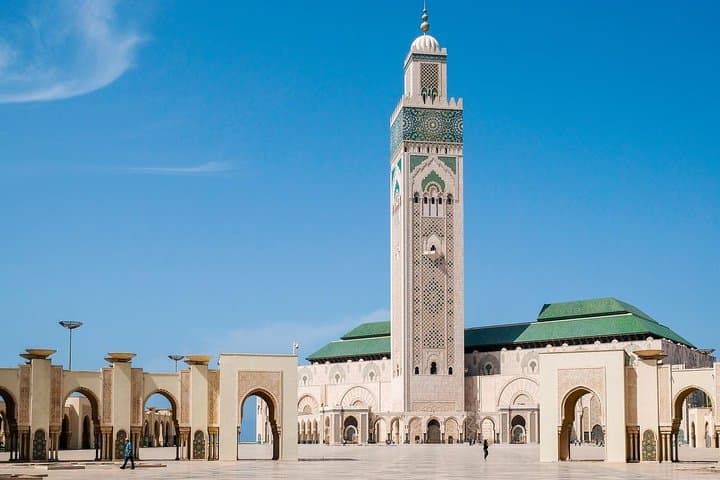
Dawn breaks over Casablanca’s Atlantic edge and the Hassan II Mosque’s minaret sketches a thin shadow on the quay. From that ocean-swept start the route threads north to Rabat’s ramparts, east through Fes’s maze of alleys, then climbs toward the cedar-scented plateaus before spilling into the ochre sea of Merzouga’s dunes.
Dawn breaks over Casablanca’s Atlantic edge and the Hassan II Mosque’s minaret sketches a thin shadow on the quay. From that ocean-swept start the route threads north to Rabat’s ramparts, east through Fes’s maze of alleys, then climbs toward the cedar-scented plateaus before spilling into the ochre sea of Merzouga’s dunes.
This itinerary stitches together Morocco’s layered history: Roman Volubilis’ mosaics speak of imperial administration, fortified ksars like Ait Benhaddou recall trans-Saharan caravans, and Fes preserves centuries of Islamic scholarship in its medina and madrasas. Geology is dramatic — the High Atlas rises to alpine passes above 2,000 m, Todra Gorge cleaves cliffs up to 600 m, and Erg Chebbi’s dunes crest in golden arcs shaped by wind and time.
Culturally the trip alternates studio sets and living towns; Ouarzazate’s film studios meet nomadic camps where Berber music keeps its tempo. Expect a mix of comfortable riads, a luxury desert camp, long driving days and short guided walks. Some transfers can be 4–9 hours; plan for winding mountain roads and altitude changes. Practical pointers: carry layered clothing for hot days and cold desert nights, bring cash for local markets, and wear closed shoes for medina cobbles and dune climbs. Hydrate ahead of long drives and schedule medina visits early to avoid midday crowds.
Respect local customs when photographing people and accept that bargaining is part of the market rhythm. With basic preparation this eight-day loop delivers concentrated culture, striking landscapes and the unobtrusive drama of the desert night sky.