THE ADVENTURE COLLECTIVE® · Independent discovery and booking for outdoor travel

An eight-day, private circuit from Casablanca visits Rabat, Volubilis, Fez and Marrakech, blending Roman ruins, medieval medinas and Atlas foothill scenery. Expect daily short-to-moderate walking through historic centers, air-conditioned transfers and 4-star stays.
An eight-day, private circuit from Casablanca visits Rabat, Volubilis, Fez and Marrakech, blending Roman ruins, medieval medinas and Atlas foothill scenery. Expect daily short-to-moderate walking through historic centers, air-conditioned transfers and 4-star stays.
The morning air off the Atlantic carries the honk of traffic and the distant call to prayer as a private vehicle eases away from Casablanca's Hassan II Mosque — a metal-and-mosaic lighthouse that marks the start of an eight-day sweep through Morocco's imperial capitals.
Verified experiences and guided adventures in the surrounding area.
Operated by Face Tours · Casablanca, Casablanca-Settat
The morning air off the Atlantic carries the honk of traffic and the distant call to prayer as a private vehicle eases away from Casablanca's Hassan II Mosque — a metal-and-mosaic lighthouse that marks the start of an eight-day sweep through Morocco's imperial capitals.
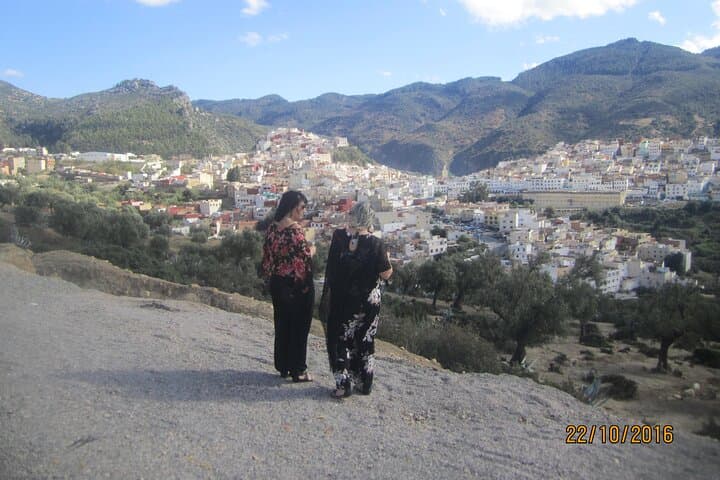
Travelers move from the coastal bustle to the quiet of Rabat’s Kasbah of the Udayas and onward into the cedar-scented passes of the Middle Atlas. Geology shows itself in the red ochre of Marrakech, the limestone terraces around Meknes and the layered Roman masonry at Volubilis, where mosaics and columns still hold court over a fertile plain.
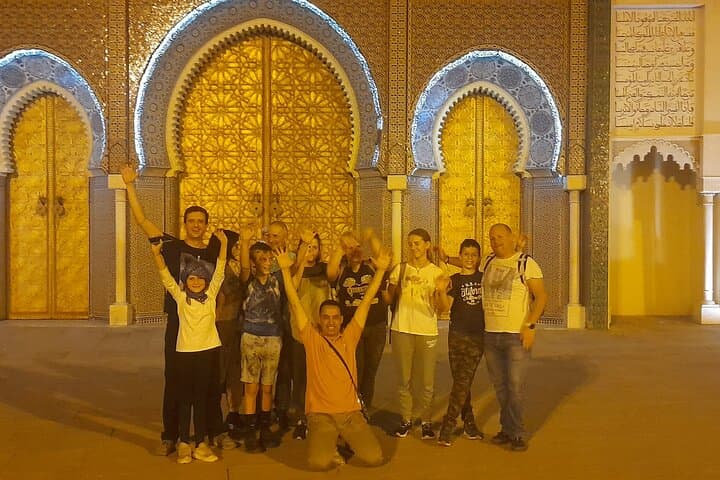
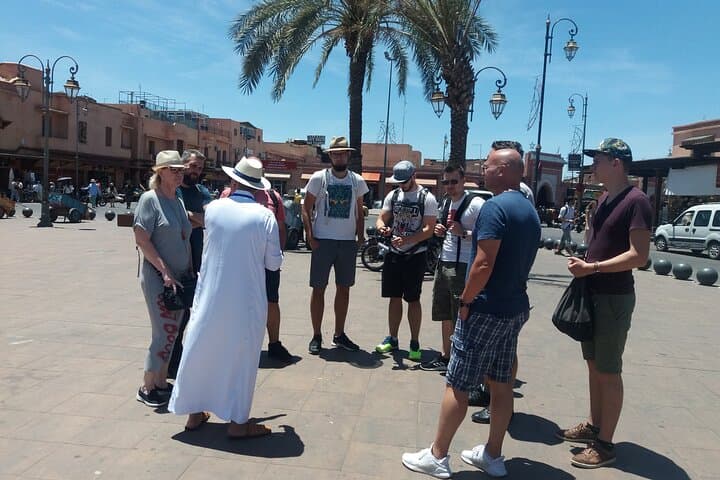
Each city has a civic rhythm: Rabat’s mausoleums and gardens reflect Alaouite statecraft; Fez’s medina, one of the world’s largest, preserves medieval craft neighborhoods where tanners and woodcarvers keep centuries-old trades alive; Marrakech offers souks that shift from spice tones to the clamor of Jemaa el-Fna at dusk.
Practicalities matter: the tour uses an air-conditioned vehicle and includes 4-star accommodations and breakfasts, but expect cobbled streets, uneven steps and concentrated walking in medinas. Visit monuments early to avoid heat and crowds, carry local currency for small purchases, and wear modest, breathable clothing for mosque visits.
This itinerary blends cultural depth with manageable logistics — a steady-paced route that rewards curiosity, sensible footwear and a habit of pausing to listen for the city’s sounds: vendors, prayer calls, and the occasional gust that pushes dust down an alleyway.
moderate.
8 days.
Suitable for travelers with average fitness; involves repetitive short-to-moderate walking on uneven surfaces and stairs.
The tour includes walking on uneven cobbles and steps in medinas; the itinerary notes wheelchair-accessible transport, but some historic sites have restricted accessibility—check specifics with the operator before booking.
The trip includes monument entrance fees, breakfasts and 4-star accommodations as listed, but incidental costs like lunches, dinners (except specified) and personal expenses are usually extra.
Local guides typically speak French and Arabic; many providers also offer English-speaking guides—confirm language preference when booking.
Spring (March–May) and fall (September–October) offer milder temperatures and clearer skies for sightseeing; summers can be hot in inland cities and winters cool in the Atlas foothills.
The route traces Morocco’s imperial centers established by successive dynasties; Volubilis preserves Roman urban planning while Fez and Marrakech showcase medieval Islamic scholarship and craft traditions.
Water scarcity and urban development pressure historic medinas; travelers can help by minimizing single-use plastics, using local guides and staying on marked paths at archaeological sites.
Face Tours operates guided outdoor trips and adventures with an emphasis on safety, stewardship, and memorable experiences.
The morning air off the Atlantic carries the honk of traffic and the distant call to prayer as a private vehicle eases away from Casablanca's Hassan II Mosque — a metal-and-mosaic lighthouse that marks the start of an eight-day sweep through Morocco's imperial capitals.
The morning air off the Atlantic carries the honk of traffic and the distant call to prayer as a private vehicle eases away from Casablanca's Hassan II Mosque — a metal-and-mosaic lighthouse that marks the start of an eight-day sweep through Morocco's imperial capitals.
Travelers move from the coastal bustle to the quiet of Rabat’s Kasbah of the Udayas and onward into the cedar-scented passes of the Middle Atlas. Geology shows itself in the red ochre of Marrakech, the limestone terraces around Meknes and the layered Roman masonry at Volubilis, where mosaics and columns still hold court over a fertile plain.
Each city has a civic rhythm: Rabat’s mausoleums and gardens reflect Alaouite statecraft; Fez’s medina, one of the world’s largest, preserves medieval craft neighborhoods where tanners and woodcarvers keep centuries-old trades alive; Marrakech offers souks that shift from spice tones to the clamor of Jemaa el-Fna at dusk.
Practicalities matter: the tour uses an air-conditioned vehicle and includes 4-star accommodations and breakfasts, but expect cobbled streets, uneven steps and concentrated walking in medinas. Visit monuments early to avoid heat and crowds, carry local currency for small purchases, and wear modest, breathable clothing for mosque visits.
This itinerary blends cultural depth with manageable logistics — a steady-paced route that rewards curiosity, sensible footwear and a habit of pausing to listen for the city’s sounds: vendors, prayer calls, and the occasional gust that pushes dust down an alleyway.