THE ADVENTURE COLLECTIVE® · Independent discovery and booking for outdoor travel

Drive out of the city and into working countryside for a hands-on look at southern Brazil’s immigrant farms. Visit preserved family homes, watch traditional field routines and taste colonial coffee brewed on the stove.
Drive out of the city and into working countryside for a hands-on look at southern Brazil’s immigrant farms. Visit preserved family homes, watch traditional field routines and taste colonial coffee brewed on the stove.
You pull off the highway and the city slackens; a low ridge of farmland opens up and the air takes on the roasted sweetness of boiling coffee. Fifteen kilometers from the urban center, the drive ends at a pair of family-run sites — Casa da Oma and Rancho do Opa — where furniture, tools and a kitchen fire still carry the rhythm of early 20th-century immigrant life.
Verified experiences and guided adventures in the surrounding area.
Operated by POMERODE VIAGENS RECEPTIVO · Caxias do Sul, Rio Grande do Sul
You pull off the highway and the city slackens; a low ridge of farmland opens up and the air takes on the roasted sweetness of boiling coffee. Fifteen kilometers from the urban center, the drive ends at a pair of family-run sites — Casa da Oma and Rancho do Opa — where furniture, tools and a kitchen fire still carry the rhythm of early 20th-century immigrant life.
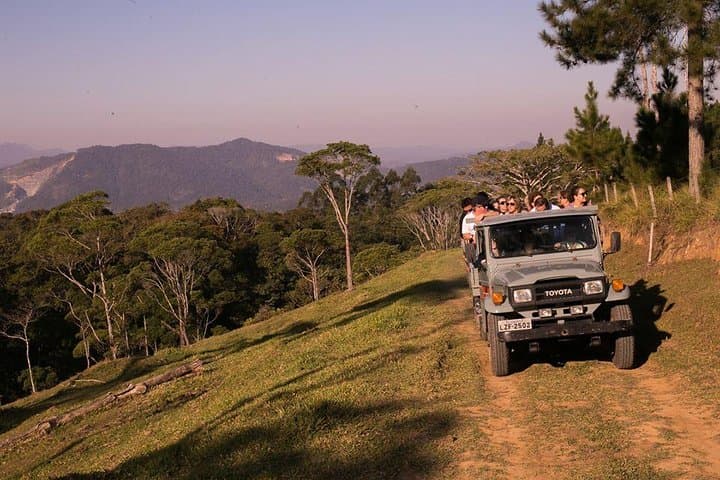
The houses reflect the waves of European settlement that reshaped southern Brazil: German and Italian families who cleared plots, planted small crops and kept craft traditions alive. The landscape here is practical — undulating fields and red-clay tracks cut by drainage ditches and old stone walls — geology that favors small-scale agriculture and the preserved farmsteads you visit.
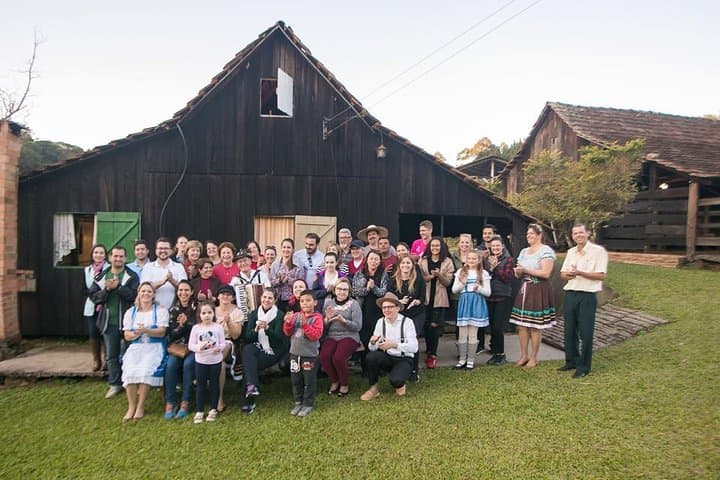
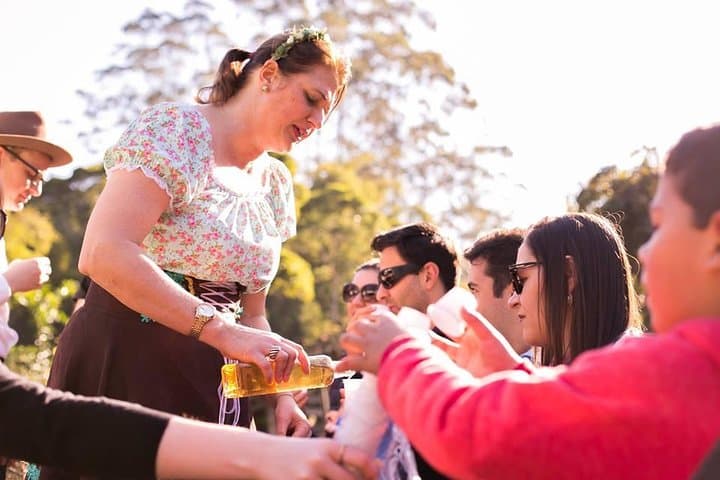
At Casa da Oma, hosts explain migration stories and show original furnishings brought from Europe; at the ranch, functional implements and animal enclosures demonstrate daily farm routines. Coffee brewed on a wood-fired stove arrives hot and insistent, a small ceremony of place and labor.
Practicalities: the tour runs about 4.5 hours and includes air-conditioned transport from central pick-up points. Expect short, mostly flat walks across yards and farm tracks — not technical hiking but uneven underfoot. The visit suits travelers with moderate fitness; it’s manual-confirmation and typically runs for groups of 15 or more. Bring cash for small purchases, wear closed-toe shoes, and time your visit for morning light when the coffee is freshest and farm activity is at its liveliest.
moderate.
4–5 hours.
Moderate; able to walk short uneven distances and stand during demonstrations
The tour lasts about 4.5 hours (270 minutes), including transport to and from the sites.
Children are welcome but infants must sit on an adult’s lap; activities include short walks and farm access.
Hosts serve colonial-style coffee (tea/coffee); larger meals or additional snacks may not be included — bring cash for extras.
Yes; this tour requires manual confirmation and typically runs for groups with a minimum of 15 participants.
The sites reflect waves of European immigration to southern Brazil in the late 19th and early 20th centuries, when smallholder farms and family enterprises shaped the region’s culture.
Visitors are encouraged to respect private property and minimize waste; many small farms practice low-impact agriculture and rely on tourism income to maintain heritage buildings.
POMERODE VIAGENS RECEPTIVO operates guided outdoor trips and adventures with an emphasis on safety, stewardship, and memorable experiences.
You pull off the highway and the city slackens; a low ridge of farmland opens up and the air takes on the roasted sweetness of boiling coffee. Fifteen kilometers from the urban center, the drive ends at a pair of family-run sites — Casa da Oma and Rancho do Opa — where furniture, tools and a kitchen fire still carry the rhythm of early 20th-century immigrant life.
You pull off the highway and the city slackens; a low ridge of farmland opens up and the air takes on the roasted sweetness of boiling coffee. Fifteen kilometers from the urban center, the drive ends at a pair of family-run sites — Casa da Oma and Rancho do Opa — where furniture, tools and a kitchen fire still carry the rhythm of early 20th-century immigrant life.
The houses reflect the waves of European settlement that reshaped southern Brazil: German and Italian families who cleared plots, planted small crops and kept craft traditions alive. The landscape here is practical — undulating fields and red-clay tracks cut by drainage ditches and old stone walls — geology that favors small-scale agriculture and the preserved farmsteads you visit.
At Casa da Oma, hosts explain migration stories and show original furnishings brought from Europe; at the ranch, functional implements and animal enclosures demonstrate daily farm routines. Coffee brewed on a wood-fired stove arrives hot and insistent, a small ceremony of place and labor.
Practicalities: the tour runs about 4.5 hours and includes air-conditioned transport from central pick-up points. Expect short, mostly flat walks across yards and farm tracks — not technical hiking but uneven underfoot. The visit suits travelers with moderate fitness; it’s manual-confirmation and typically runs for groups of 15 or more. Bring cash for small purchases, wear closed-toe shoes, and time your visit for morning light when the coffee is freshest and farm activity is at its liveliest.