THE ADVENTURE COLLECTIVE® · Independent discovery and booking for outdoor travel

Take up arms in an urban VR arena in south Austin. This one-hour zombie survival session combines a cinematic set, wireless VR, and team-based objectives for 2–8 players — fast, tactical, and accessible.
Take up arms in an urban VR arena in south Austin. This one-hour zombie survival session combines a cinematic set, wireless VR, and team-based objectives for 2–8 players — fast, tactical, and accessible.
You step from the South Park Meadows parking lot into a dim warehouse where fluorescent lights hum and the air smells faintly of rubber and disinfectant. The Game Master clips a headset to your temple, explains the objectives, and in minutes the room dissolves into a crumbling cityscape — windows blown out, alleys shadowed, and the distant groan of the undead daring you to move faster.
Verified experiences and guided adventures in the surrounding area.
Operated by Zero Latency VR - South Austin · Austin, Texas
You step from the South Park Meadows parking lot into a dim warehouse where fluorescent lights hum and the air smells faintly of rubber and disinfectant. The Game Master clips a headset to your temple, explains the objectives, and in minutes the room dissolves into a crumbling cityscape — windows blown out, alleys shadowed, and the distant groan of the undead daring you to move faster.
Austin sits where the Blackland Prairie meets the Balcones Fault, and its inventive culture — from live music to indie tech labs — has made it fertile ground for immersive entertainment. VR centers here borrow that do-it-yourself energy: offbeat, intense, and engineered for story-first play. The zombie genre taps a long-running fascination with survival tactics and team strategy; this experience translates those ideas into a timed, team-based mission inside a warehouse arena.
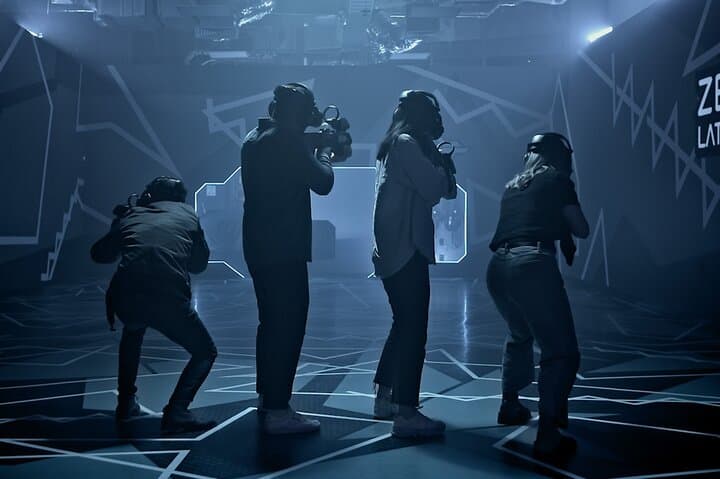
Expect light physical exertion: walking, ducking, and short bursts of sprinting; about 25–30 minutes active gameplay inside a one-hour session that includes briefing and debrief. Groups are 2–8 players; communication and simple tactics matter more than strength. The staging is cinematic — faux urban rubble, prop hospitals, and staged sewers — designed for safe, wire-free movement.
Practical tips: arrive 10–15 minutes early for check-in and waiver signing, wear closed-toe shoes and clothing you can move in, and be ready to follow staff safety briefings. The experience is wheelchair accessible and suitable for most fitness levels, but anyone with severe motion sickness, pregnancy, or certain medical conditions should consult staff. For an adrenaline-packed hour that blends theater, teamplay, and tech, this is a compact, city-based escape that rewards quick thinking and calm under pressure.
easy.
1 hour.
Suitable for people in average physical condition; requires short bursts of walking, turning, and light running or crouching.
Gameplay lasts about 25–30 minutes within a one-hour session that includes briefing, practice, and post-game scoring.
Policies vary, but the activity allows children accompanied by adults; check age restrictions and any minimum height or safety guidelines at booking.
The facility notes wheelchair accessibility—contact the operator in advance to discuss adaptations and safety specifics for your session.
Stop play and inform staff immediately; sessions are monitored and staff can remove players from active gameplay if they feel unwell.
Austin’s entertainment scene expanded in the 2000s alongside its tech growth, and immersive gaming venues capitalized on the city’s appetite for novel, social experiences.
The venue operates indoors with minimal direct environmental impact, but players can reduce waste by using reusable water bottles and returning shared gear promptly for sanitization.
Zero Latency VR - South Austin operates guided outdoor trips and adventures with an emphasis on safety, stewardship, and memorable experiences.
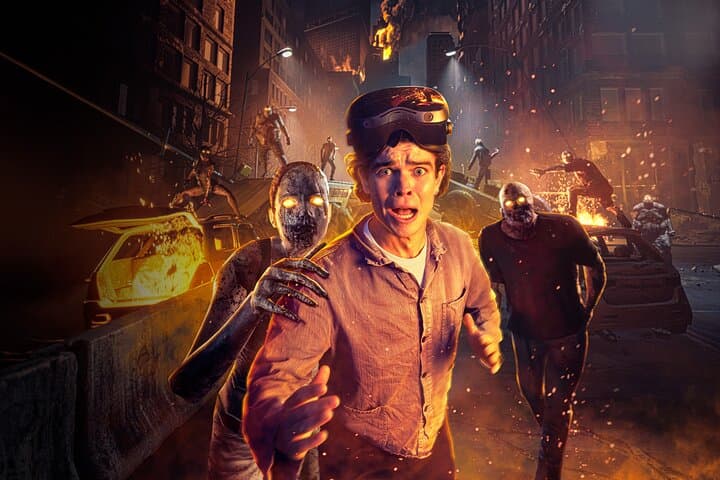
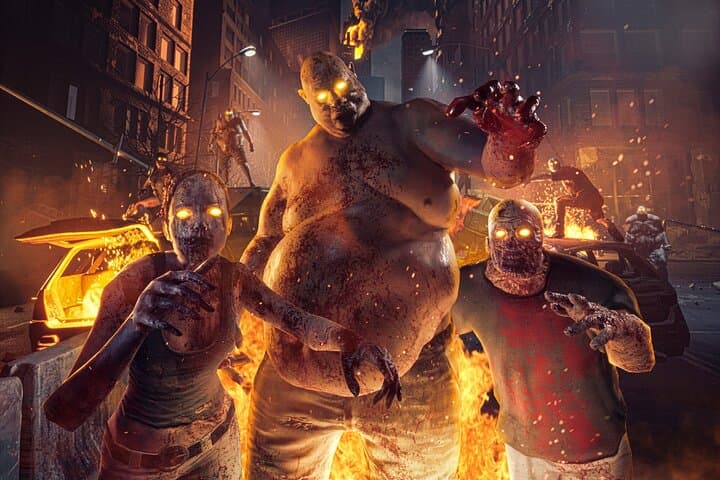
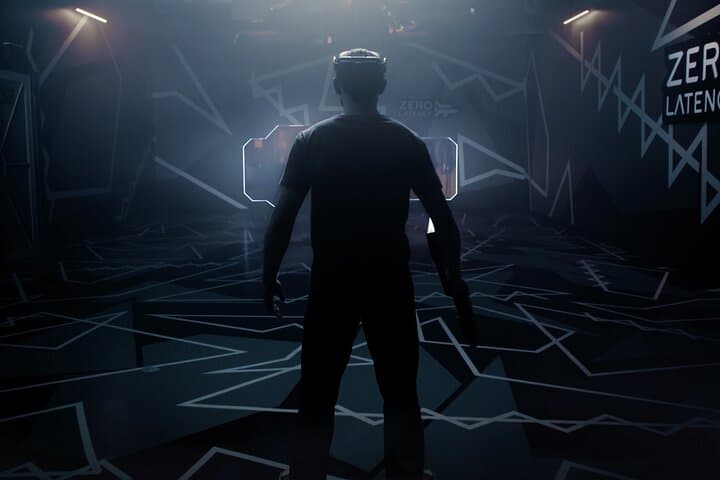
You step from the South Park Meadows parking lot into a dim warehouse where fluorescent lights hum and the air smells faintly of rubber and disinfectant. The Game Master clips a headset to your temple, explains the objectives, and in minutes the room dissolves into a crumbling cityscape — windows blown out, alleys shadowed, and the distant groan of the undead daring you to move faster.
You step from the South Park Meadows parking lot into a dim warehouse where fluorescent lights hum and the air smells faintly of rubber and disinfectant. The Game Master clips a headset to your temple, explains the objectives, and in minutes the room dissolves into a crumbling cityscape — windows blown out, alleys shadowed, and the distant groan of the undead daring you to move faster.
Austin sits where the Blackland Prairie meets the Balcones Fault, and its inventive culture — from live music to indie tech labs — has made it fertile ground for immersive entertainment. VR centers here borrow that do-it-yourself energy: offbeat, intense, and engineered for story-first play. The zombie genre taps a long-running fascination with survival tactics and team strategy; this experience translates those ideas into a timed, team-based mission inside a warehouse arena.
Expect light physical exertion: walking, ducking, and short bursts of sprinting; about 25–30 minutes active gameplay inside a one-hour session that includes briefing and debrief. Groups are 2–8 players; communication and simple tactics matter more than strength. The staging is cinematic — faux urban rubble, prop hospitals, and staged sewers — designed for safe, wire-free movement.
Practical tips: arrive 10–15 minutes early for check-in and waiver signing, wear closed-toe shoes and clothing you can move in, and be ready to follow staff safety briefings. The experience is wheelchair accessible and suitable for most fitness levels, but anyone with severe motion sickness, pregnancy, or certain medical conditions should consult staff. For an adrenaline-packed hour that blends theater, teamplay, and tech, this is a compact, city-based escape that rewards quick thinking and calm under pressure.