THE ADVENTURE COLLECTIVE® · Independent discovery and booking for outdoor travel

Step from Florence into rolling vineyard lanes, then descend into a cellar where technology and tradition make winemaking visible. This 3–4 hour experience pairs a guided vineyard walk and immersive cellar presentation with a four-wine tasting and light Tuscan lunch.
Step from Florence into rolling vineyard lanes, then descend into a cellar where technology and tradition make winemaking visible. This 3–4 hour experience pairs a guided vineyard walk and immersive cellar presentation with a four-wine tasting and light Tuscan lunch.
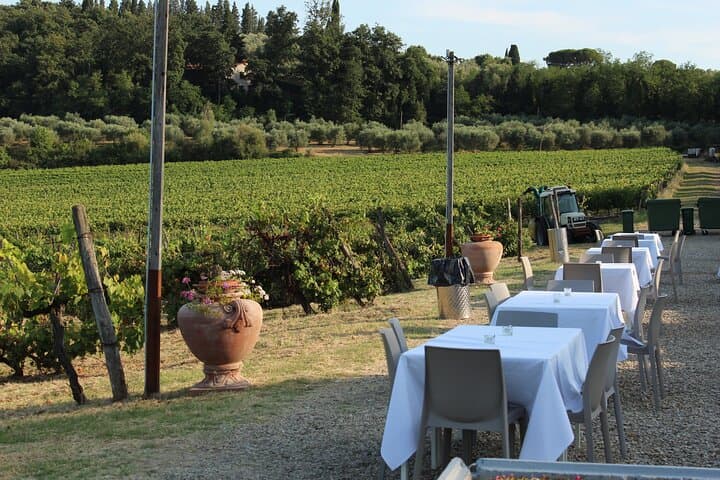
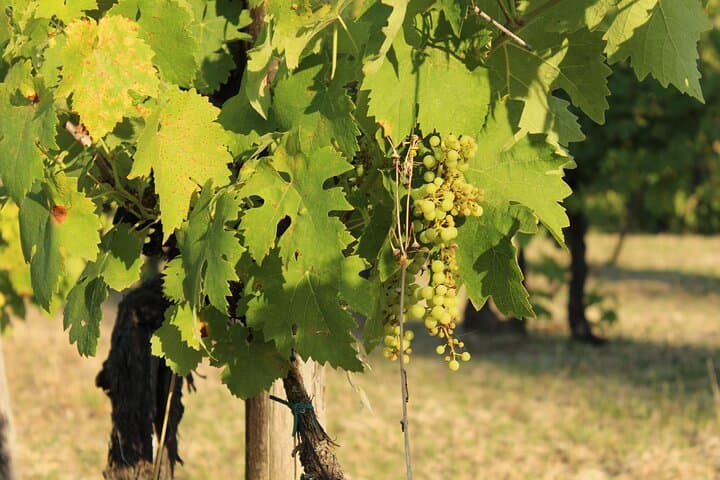
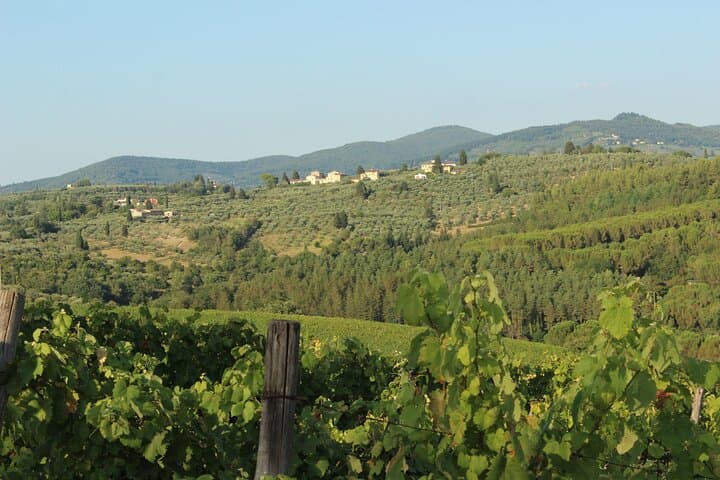
A late-morning sun warms the limestone terraces as visitors step from an air-conditioned van onto a gravel lane that leads through rows of vines. The hills hold a quiet, cultivated tension — soil, stone and season conspiring to shape grape and glass. Walks between the cordons of Sangiovese and international varieties give way to the cool, dim cellar where light and screens translate long craft into immediate senses.
Verified experiences and guided adventures in the surrounding area.
Operated by Keys Of Italy / Florence · Florence, Tuscany
A late-morning sun warms the limestone terraces as visitors step from an air-conditioned van onto a gravel lane that leads through rows of vines. The hills hold a quiet, cultivated tension — soil, stone and season conspiring to shape grape and glass. Walks between the cordons of Sangiovese and international varieties give way to the cool, dim cellar where light and screens translate long craft into immediate senses.
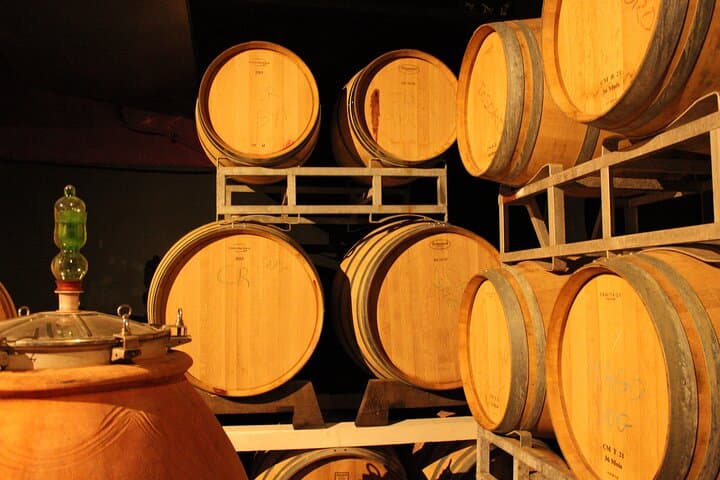
The tour threads regional history with winemaking science: medieval land divisions that shaped vineyard plots, Pliocene soils of clay and sand that influence drainage and minerality, and a local culture that treats food and wine as continuing conversation. The “immersive” portion blends traditional barrel rooms with projection and sound to show fermentation, oak choices and aging timelines, making process tangible for curious palates.
After the cellar reveal, a guided tasting presents four recent releases paired with a light Tuscan lunch—olive oil–rich bread, seasonal salumi, and seasonal vegetables—each pairing pointing back to the vineyard’s terroir. Conversation leans practical: why a vintage tastes brighter, how altitude and canopy management affect acidity, and how producers adapt to summer heat.
Practical guidance: expect 3–4 hours total, mostly standing and easy walking on gravel and gentle slopes. Bring sun protection and comfortable shoes; the tasting includes alcohol and a light meal — notify hosts of allergies in advance. For travelers leaving Florence, mornings are cooler for vineyard strolls and afternoons suit the cellar’s cooler comfort. This is first-hand education by foot, sight and sip — ideal for curious wine lovers who want context with their tasting.
easy.
3–4 hours.
Suitable for most fitness levels; involves short walks on gravel and standing for tastings.
The tour runs about 3–4 hours total, including vineyard walk, immersive cellar presentation, and a four-wine tasting with a light lunch.
The listing notes an air-conditioned vehicle; confirm pickup location and times when booking.
Minors may join the tour but will be served non-alcoholic drinks; alcoholic beverages are for guests 18 and over.
Yes—the operator requests that you inform them of allergies or dietary restrictions at the time of booking so the light lunch can be adjusted.
Many Tuscan estates trace plots back to medieval agrarian practices; modern viticulture sits atop centuries of land use and local food culture.
Producers often practice soil management and water conservation; ask your host about organic or low-intervention techniques to support sustainable viticulture.
Keys Of Italy / Florence operates guided outdoor trips and adventures with an emphasis on safety, stewardship, and memorable experiences.
A late-morning sun warms the limestone terraces as visitors step from an air-conditioned van onto a gravel lane that leads through rows of vines. The hills hold a quiet, cultivated tension — soil, stone and season conspiring to shape grape and glass. Walks between the cordons of Sangiovese and international varieties give way to the cool, dim cellar where light and screens translate long craft into immediate senses.
A late-morning sun warms the limestone terraces as visitors step from an air-conditioned van onto a gravel lane that leads through rows of vines. The hills hold a quiet, cultivated tension — soil, stone and season conspiring to shape grape and glass. Walks between the cordons of Sangiovese and international varieties give way to the cool, dim cellar where light and screens translate long craft into immediate senses.
The tour threads regional history with winemaking science: medieval land divisions that shaped vineyard plots, Pliocene soils of clay and sand that influence drainage and minerality, and a local culture that treats food and wine as continuing conversation. The “immersive” portion blends traditional barrel rooms with projection and sound to show fermentation, oak choices and aging timelines, making process tangible for curious palates.
After the cellar reveal, a guided tasting presents four recent releases paired with a light Tuscan lunch—olive oil–rich bread, seasonal salumi, and seasonal vegetables—each pairing pointing back to the vineyard’s terroir. Conversation leans practical: why a vintage tastes brighter, how altitude and canopy management affect acidity, and how producers adapt to summer heat.
Practical guidance: expect 3–4 hours total, mostly standing and easy walking on gravel and gentle slopes. Bring sun protection and comfortable shoes; the tasting includes alcohol and a light meal — notify hosts of allergies in advance. For travelers leaving Florence, mornings are cooler for vineyard strolls and afternoons suit the cellar’s cooler comfort. This is first-hand education by foot, sight and sip — ideal for curious wine lovers who want context with their tasting.