THE ADVENTURE COLLECTIVE® · Independent discovery and booking for outdoor travel

Walk three augmented-reality audio tours through Chinatown, the Castro and the Mission with museum staff-led context. Each 40-minute route layers archival sound, music and local testimony into a 2–3 hour private exploration of migration in San Francisco.
Walk three augmented-reality audio tours through Chinatown, the Castro and the Mission with museum staff-led context. Each 40-minute route layers archival sound, music and local testimony into a 2–3 hour private exploration of migration in San Francisco.
You step off a Market Street bus and the city rearranges itself around a story. A narrow alley in the Mission hums with muraled memories; a Castro stoop holds a quiet echo of gay pioneer communities; Chinatown’s tile roofs cast patterns that feel older than the asphalt. The California Migration Museum’s private tours use an app-driven audio walk, music, archive clips and augmented reality pop-ups to turn ordinary streets into layered histories.
Verified experiences and guided adventures in the surrounding area.
Operated by California Migration Museum · San Francisco, California
You step off a Market Street bus and the city rearranges itself around a story. A narrow alley in the Mission hums with muraled memories; a Castro stoop holds a quiet echo of gay pioneer communities; Chinatown’s tile roofs cast patterns that feel older than the asphalt. The California Migration Museum’s private tours use an app-driven audio walk, music, archive clips and augmented reality pop-ups to turn ordinary streets into layered histories.
The three 40-minute mini-tours—Chinatown’s Look Up, Castro’s At Home in the Castro?, and Mission’s Coffee Country—focus on migration, displacement and community response across different waves of San Francisco history. Geology here is urban: reclaimed tidelands, steep bedrock and streets cut into former marsh. Cultural continuity is visible in storefronts, murals and community-run cafés that shelter memory as much as people.
Expect guided interpretation from museum staff who add research context beyond the app’s narration; tours are private and can be combined into a 2–3 hour itinerary. The walks are mostly on sidewalks and gentle hills but require steady footing on curbs and occasional stairways. Bring a charged phone and headphones for the Migrant Footsteps app, wear supportive shoes, and plan for changing coastal weather—sun can shift to fog within an hour.
Practicalities: download the app in advance, reserve at least 24 hours ahead for full refund flexibility, and allow public transit or ride-share time between neighborhood start points. These tours reward curiosity: pause at a storefront, read a plaque, buy a coffee from a longtime neighborhood business—those small choices keep the stories alive.
moderate.
2–3 hours (combined).
Moderate urban fitness—able to walk up to 3 miles with short hills and stairs.
You can book a single 40-minute neighborhood tour or combine the three into a private 2–3 hour experience; the booking lets you choose start locations.
Sidewalks in these neighborhoods vary; contact the museum ahead of time to arrange accessible routing and staff assistance.
The Migrant Footsteps app currently offers English narration; contact the California Migration Museum for translated materials or special arrangements.
Tours may be canceled for severe weather; check cancellation terms (full refund if canceled 24+ hours before) and dress for coastal fog or wind.
These routes trace waves of migration—Chinese merchants rebuilding after 1906, LGBTQ+ community formation in the Castro, and Central American refugee settlement in the Mission during the 1980s.
Support local businesses, keep noise and litter to a minimum, and follow posted signs for private property—respectful tourism helps preserve living neighborhoods.
California Migration Museum operates guided outdoor trips and adventures with an emphasis on safety, stewardship, and memorable experiences.
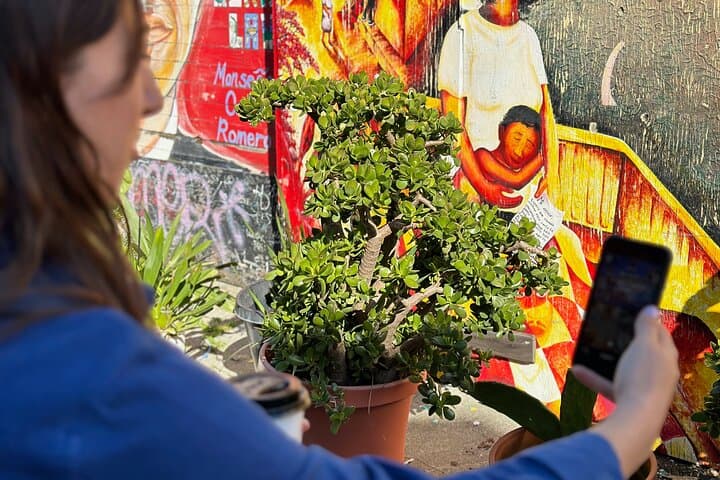
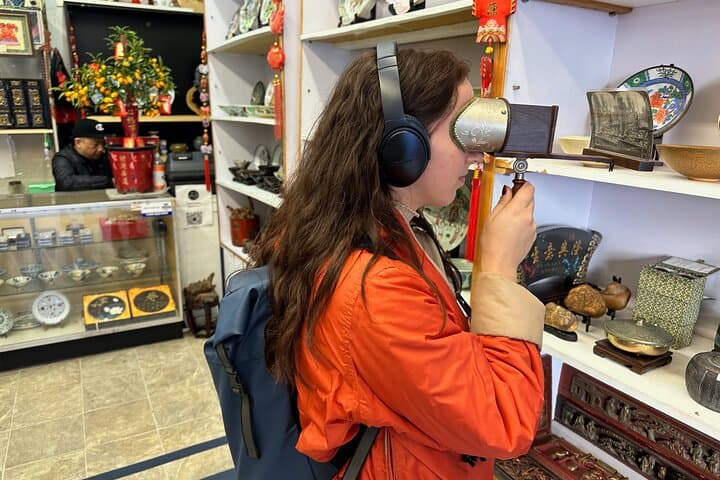
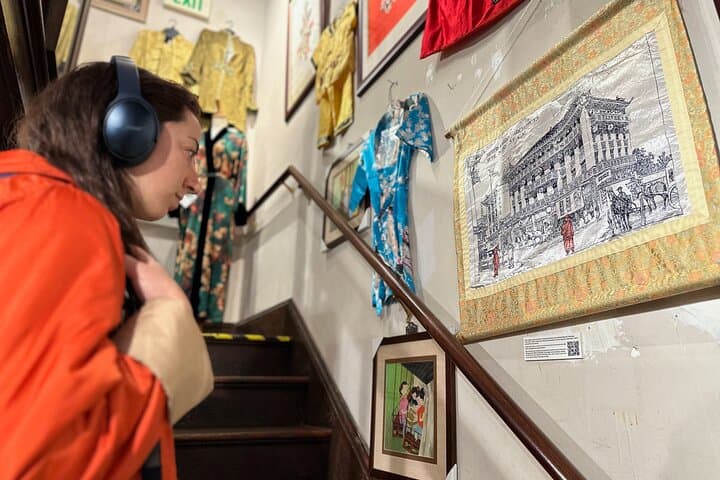
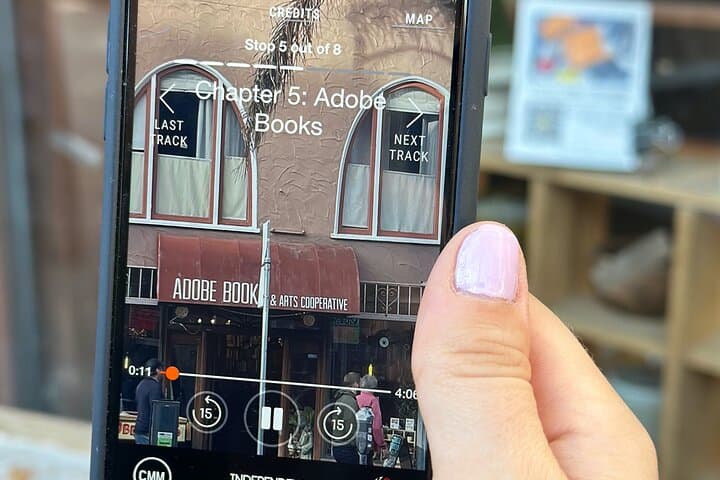
You step off a Market Street bus and the city rearranges itself around a story. A narrow alley in the Mission hums with muraled memories; a Castro stoop holds a quiet echo of gay pioneer communities; Chinatown’s tile roofs cast patterns that feel older than the asphalt. The California Migration Museum’s private tours use an app-driven audio walk, music, archive clips and augmented reality pop-ups to turn ordinary streets into layered histories.
You step off a Market Street bus and the city rearranges itself around a story. A narrow alley in the Mission hums with muraled memories; a Castro stoop holds a quiet echo of gay pioneer communities; Chinatown’s tile roofs cast patterns that feel older than the asphalt. The California Migration Museum’s private tours use an app-driven audio walk, music, archive clips and augmented reality pop-ups to turn ordinary streets into layered histories.
The three 40-minute mini-tours—Chinatown’s Look Up, Castro’s At Home in the Castro?, and Mission’s Coffee Country—focus on migration, displacement and community response across different waves of San Francisco history. Geology here is urban: reclaimed tidelands, steep bedrock and streets cut into former marsh. Cultural continuity is visible in storefronts, murals and community-run cafés that shelter memory as much as people.
Expect guided interpretation from museum staff who add research context beyond the app’s narration; tours are private and can be combined into a 2–3 hour itinerary. The walks are mostly on sidewalks and gentle hills but require steady footing on curbs and occasional stairways. Bring a charged phone and headphones for the Migrant Footsteps app, wear supportive shoes, and plan for changing coastal weather—sun can shift to fog within an hour.
Practicalities: download the app in advance, reserve at least 24 hours ahead for full refund flexibility, and allow public transit or ride-share time between neighborhood start points. These tours reward curiosity: pause at a storefront, read a plaque, buy a coffee from a longtime neighborhood business—those small choices keep the stories alive.