THE ADVENTURE COLLECTIVE® · Independent discovery and booking for outdoor travel

Walk hutong lanes and sample five authentic Beijing snacks while a bilingual guide explains the stories behind each bite. Small-group stops, local artisans, and practical tips for dietary needs make this a compact urban food adventure.
Walk hutong lanes and sample five authentic Beijing snacks while a bilingual guide explains the stories behind each bite. Small-group stops, local artisans, and practical tips for dietary needs make this a compact urban food adventure.
A narrow lane breathes steam and soy into the morning air as a small group threads through a hutong doorway. Wok heat pokes at the cool Beijing sky, and vendors lift flatbreads and noodle bowls into waiting hands. The tour moves with the rhythm of the neighborhood—stops measured by scent and story rather than distance—bringing snacks that locals still reach for between work shifts and family meals.
Verified experiences and guided adventures in the surrounding area.
Operated by Wolfie Wang · Beijing, Beijing
A narrow lane breathes steam and soy into the morning air as a small group threads through a hutong doorway. Wok heat pokes at the cool Beijing sky, and vendors lift flatbreads and noodle bowls into waiting hands. The tour moves with the rhythm of the neighborhood—stops measured by scent and story rather than distance—bringing snacks that locals still reach for between work shifts and family meals.
Hutongs are living streets shaped by centuries of urban life: alleys and siheyuan courtyards laid out on the flat North China Plain during the Yuan and later Ming–Qing urban expansions. The snacks here speak to those layers—simple wheat noodles, fried bean paste, and regionally preserved meats—each with a backstory tied to migration, rationing, and festival plates. Guides link language and custom, explaining chopstick etiquette, tea rituals, and the social rules that shape how food is served and shared.
Practical guidance follows the tasting. Expect four hours on foot through compact, cobbled lanes with several short stops—at least five small tastings and commentary at each. Most stops are cash-friendly and some main dishes like Peking duck are excluded; budget for an extra entrée if desired. Wear comfortable walking shoes and be ready for tight spaces and street-level seating. Bring a reusable water bottle, and share dietary needs with the guide in advance—many vendors will accommodate or suggest alternatives. The tour runs best in the cooler morning or early evening when lines are shorter and flavors pop. For travelers who want a precise meeting spot and dietary assurance, exchange WeChat or WhatsApp details after booking to confirm logistics and preferences.
easy.
3–4 hours.
Light walking ability required—able to stand and walk for several short stretches and climb low steps.
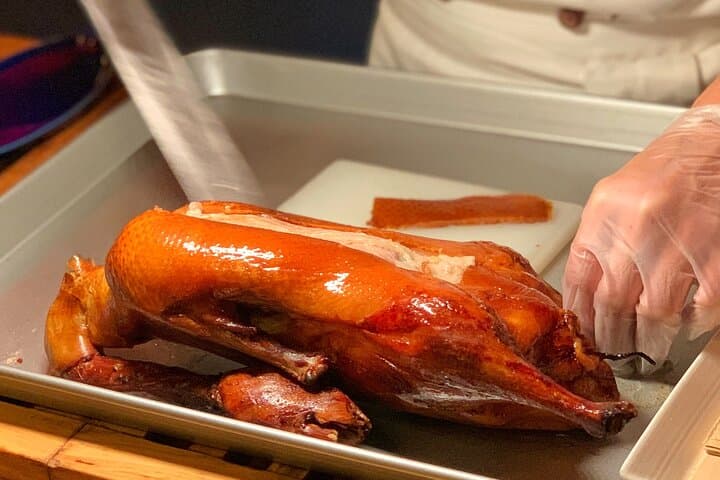
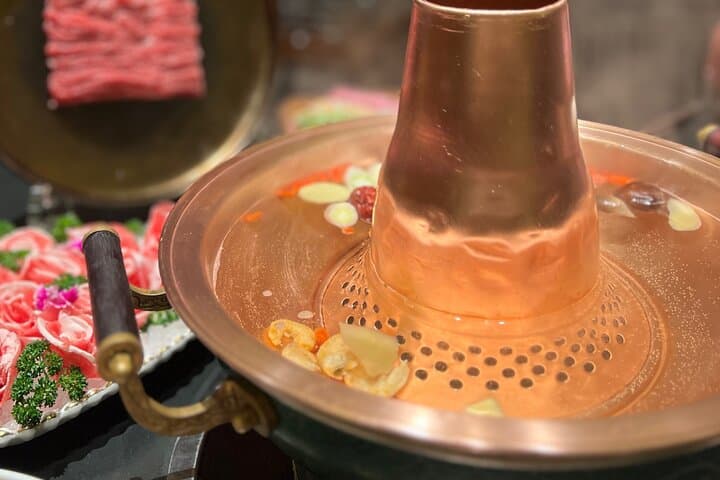
No; Peking duck and larger hotpot meals are considered main meals and are not included—expect small snacks and light dishes with options to pay extra for larger items.
Yes—inform the guide after booking via WeChat or WhatsApp and they will advise vendors or suggest alternatives when possible.
Meeting points are typically in a central hutong near public transit; exact details are sent after booking—public transportation is readily available nearby.
The tour is family-friendly for most children; it is not recommended for pregnant travelers per the operator’s guidance, due to crowded streets and street food hygiene considerations.
Hutongs formed part of Beijing’s imperial grid during Yuan and were reshaped under Ming and Qing rule; their foods reflect trade routes and working-class traditions.
Support small vendors by minimizing single-use packaging and by following local waste rules; carry reusable utensils when possible.
Wolfie Wang operates guided outdoor trips and adventures with an emphasis on safety, stewardship, and memorable experiences.
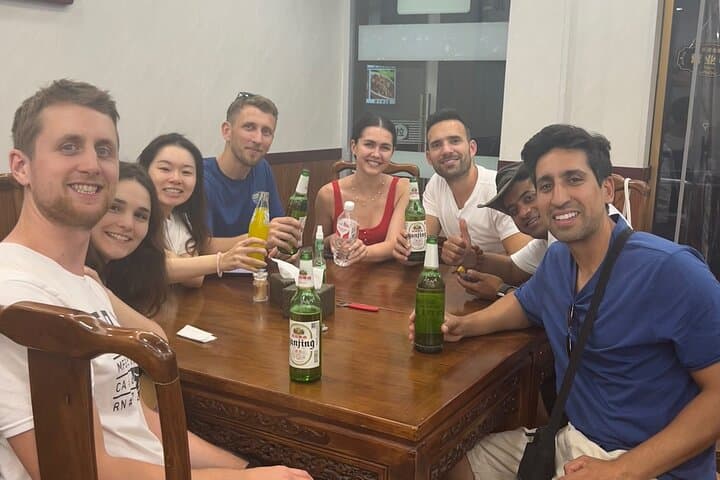
A narrow lane breathes steam and soy into the morning air as a small group threads through a hutong doorway. Wok heat pokes at the cool Beijing sky, and vendors lift flatbreads and noodle bowls into waiting hands. The tour moves with the rhythm of the neighborhood—stops measured by scent and story rather than distance—bringing snacks that locals still reach for between work shifts and family meals.
A narrow lane breathes steam and soy into the morning air as a small group threads through a hutong doorway. Wok heat pokes at the cool Beijing sky, and vendors lift flatbreads and noodle bowls into waiting hands. The tour moves with the rhythm of the neighborhood—stops measured by scent and story rather than distance—bringing snacks that locals still reach for between work shifts and family meals.
Hutongs are living streets shaped by centuries of urban life: alleys and siheyuan courtyards laid out on the flat North China Plain during the Yuan and later Ming–Qing urban expansions. The snacks here speak to those layers—simple wheat noodles, fried bean paste, and regionally preserved meats—each with a backstory tied to migration, rationing, and festival plates. Guides link language and custom, explaining chopstick etiquette, tea rituals, and the social rules that shape how food is served and shared.
Practical guidance follows the tasting. Expect four hours on foot through compact, cobbled lanes with several short stops—at least five small tastings and commentary at each. Most stops are cash-friendly and some main dishes like Peking duck are excluded; budget for an extra entrée if desired. Wear comfortable walking shoes and be ready for tight spaces and street-level seating. Bring a reusable water bottle, and share dietary needs with the guide in advance—many vendors will accommodate or suggest alternatives. The tour runs best in the cooler morning or early evening when lines are shorter and flavors pop. For travelers who want a precise meeting spot and dietary assurance, exchange WeChat or WhatsApp details after booking to confirm logistics and preferences.