THE ADVENTURE COLLECTIVE® · Independent discovery and booking for outdoor travel

Start from Chautauqua’s Ranger Cottage and ascend the iconic Flatirons with a local guide who blends geology, natural history, and storytelling. This 3–4 hour guided hike covers singletrack, rocky steps, and sweeping Front Range views.
Start from Chautauqua’s Ranger Cottage and ascend the iconic Flatirons with a local guide who blends geology, natural history, and storytelling. This 3–4 hour guided hike covers singletrack, rocky steps, and sweeping Front Range views.
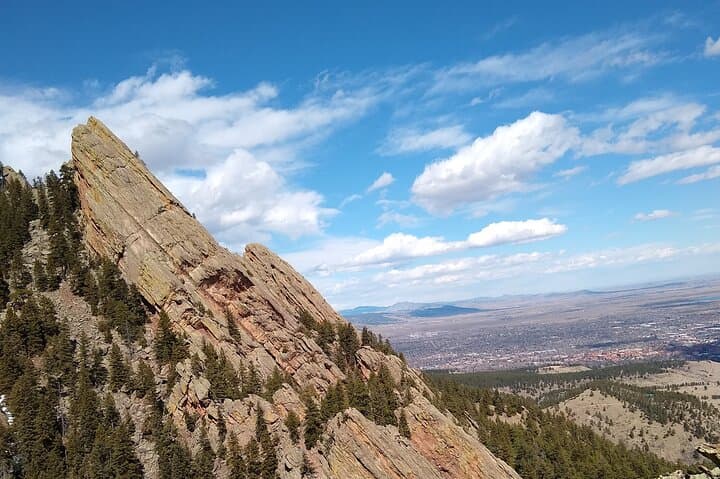
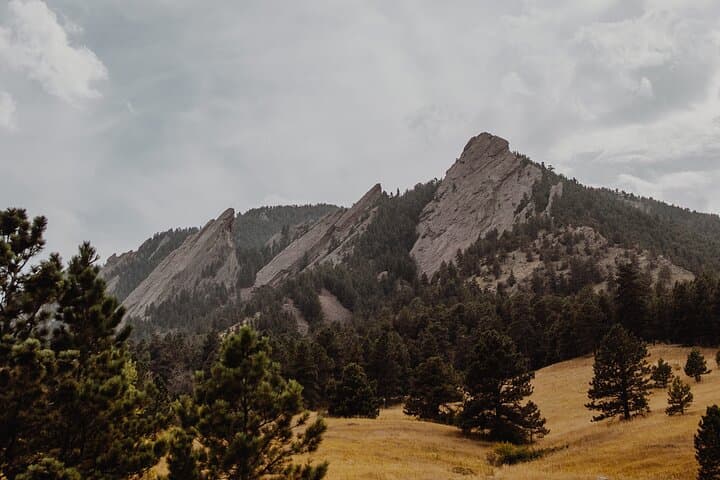
A morning at Chautauqua begins with the smell of sun-warmed sandstone and the chatter of early hikers at the Ranger Cottage. From this lawn you step into the foothills and into the raw geometry of the Flatirons — tilted slabs of Fountain Formation sandstone that lean like pages cut from the Rocky Mountain ledger. The guide walks with you, pointing out prickly pear, Gambel oak, and the telltale scratch-lines of wind and ice.
Verified experiences and guided adventures in the surrounding area.
Operated by Forward Explorations · Boulder, Colorado
A morning at Chautauqua begins with the smell of sun-warmed sandstone and the chatter of early hikers at the Ranger Cottage. From this lawn you step into the foothills and into the raw geometry of the Flatirons — tilted slabs of Fountain Formation sandstone that lean like pages cut from the Rocky Mountain ledger. The guide walks with you, pointing out prickly pear, Gambel oak, and the telltale scratch-lines of wind and ice.
Geology here is obvious: steep, layered rock turned on edge during the Laramide uplift 65–75 million years ago. Human history runs parallel — this ground was used seasonally by Ute people and later became a conduit for miners, homesteaders, and the outdoor culture that defines Boulder today. Local lore and place names drip into the walk, making each viewpoint a small lesson in how people and geology shaped the Front Range.
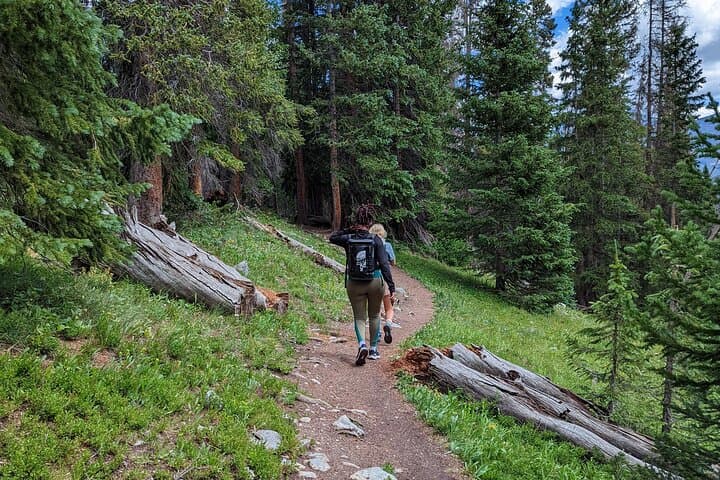
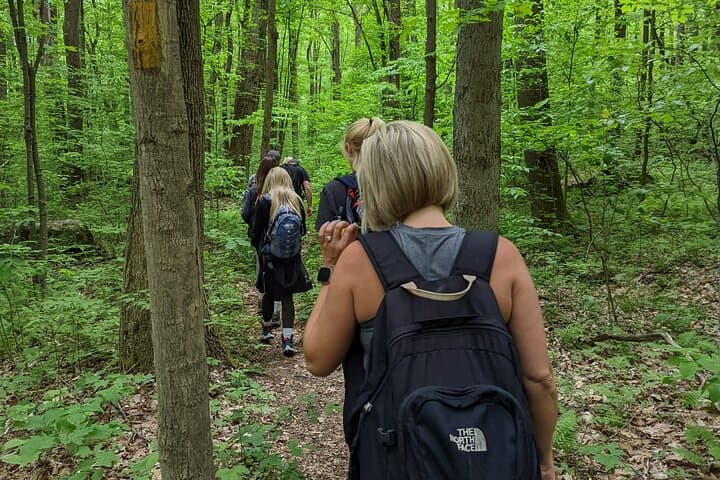
Expect 3–4 hours on predominantly singletrack and maintained switchbacks, roughly 3–5 miles with 700–1,200 ft of climbing depending on the route. Terrain alternates packed dirt, loose gravel, and rocky steps; occasional hands-on scrambling may be required. The guide provides snacks, bottled water access, and trekking poles on request.
Plan for strong sun, rapid temperature swings, and busy weekends. Start early for quieter trails and clearer light on the east-facing slabs. Keep a steady pace, hydrate proactively, and treat the Flatirons with Leave No Trace care — the rocks take a long time to heal from erosion and route creep.
moderate.
3–4 hours.
Moderate cardiovascular fitness with comfort on uneven trails and uphill sections; able to hike 3–5 miles with 700–1,200 ft gain.
Meet at the Ranger Cottage west of the Chautauqua lawn; the hike returns to the same area, making logistics simple.
Routes are primarily singletrack with rocky steps and occasional short scrambles; no technical climbing gear is needed.
Yes—poles can be provided upon request before the trip, and the guide can advise on their use for descents.
Tours may be canceled for heavy storms or unsafe conditions—check the 24-hour cancellation policy and the guide will advise if conditions change.
The Flatirons are tilted remnants of the Fountain Formation, exposed during the Laramide orogeny; the area was used seasonally by Ute peoples before settlement reshaped the landscape.
Boulder Open Space & Mountain Parks actively manages trails to limit erosion—stay on established paths, pack out waste, and follow local leash rules to protect sensitive habitats.
Forward Explorations operates guided outdoor trips and adventures with an emphasis on safety, stewardship, and memorable experiences.
A morning at Chautauqua begins with the smell of sun-warmed sandstone and the chatter of early hikers at the Ranger Cottage. From this lawn you step into the foothills and into the raw geometry of the Flatirons — tilted slabs of Fountain Formation sandstone that lean like pages cut from the Rocky Mountain ledger. The guide walks with you, pointing out prickly pear, Gambel oak, and the telltale scratch-lines of wind and ice.
A morning at Chautauqua begins with the smell of sun-warmed sandstone and the chatter of early hikers at the Ranger Cottage. From this lawn you step into the foothills and into the raw geometry of the Flatirons — tilted slabs of Fountain Formation sandstone that lean like pages cut from the Rocky Mountain ledger. The guide walks with you, pointing out prickly pear, Gambel oak, and the telltale scratch-lines of wind and ice.
Geology here is obvious: steep, layered rock turned on edge during the Laramide uplift 65–75 million years ago. Human history runs parallel — this ground was used seasonally by Ute people and later became a conduit for miners, homesteaders, and the outdoor culture that defines Boulder today. Local lore and place names drip into the walk, making each viewpoint a small lesson in how people and geology shaped the Front Range.
Expect 3–4 hours on predominantly singletrack and maintained switchbacks, roughly 3–5 miles with 700–1,200 ft of climbing depending on the route. Terrain alternates packed dirt, loose gravel, and rocky steps; occasional hands-on scrambling may be required. The guide provides snacks, bottled water access, and trekking poles on request.
Plan for strong sun, rapid temperature swings, and busy weekends. Start early for quieter trails and clearer light on the east-facing slabs. Keep a steady pace, hydrate proactively, and treat the Flatirons with Leave No Trace care — the rocks take a long time to heal from erosion and route creep.