THE ADVENTURE COLLECTIVE® · Independent discovery and booking for outdoor travel

Get close to the working world of a beehive in the limestone scrub of the Alpilles. This two-hour hands-on session includes hive observation, beekeeping insights and a tasting of regionally distinctive honeys.
Get close to the working world of a beehive in the limestone scrub of the Alpilles. This two-hour hands-on session includes hive observation, beekeeping insights and a tasting of regionally distinctive honeys.
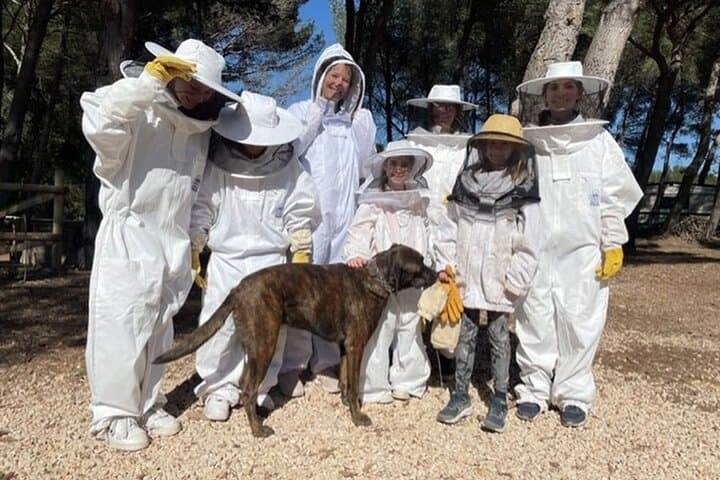
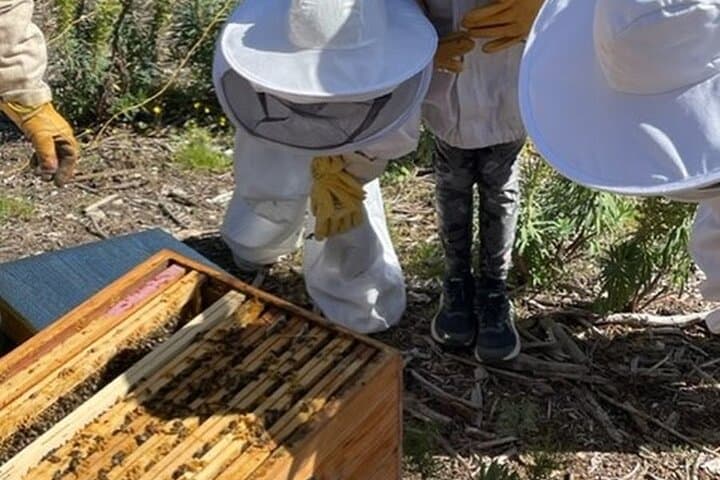
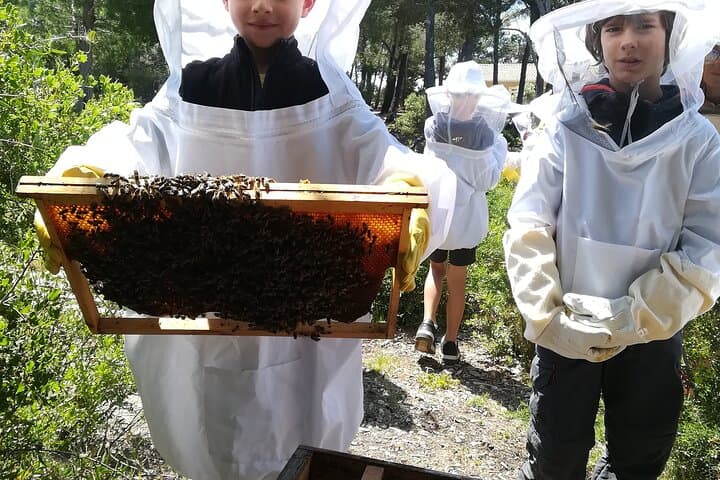
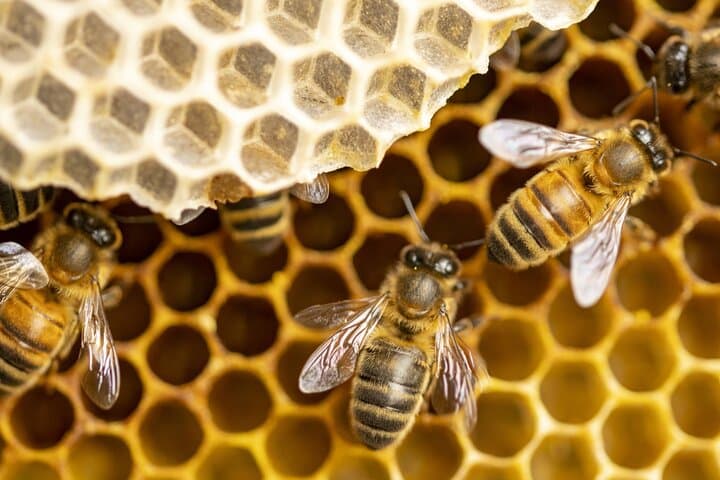
You step out of the scrubland heat into a small clearing where the smell of wild thyme and rosemary rides the breeze. A cluster of painted hives hums like a living instrument; the bees move with an insistence that feels deliberate, almost conversational. The guide opens a hive, and the close-up world of honey, brood, wax and propolis comes alive — tiny workers negotiating pollen loads, a queen outlined by attendants, and the ever-present sound that seems to push you to pay attention.
Verified experiences and guided adventures in the surrounding area.
Operated by l'Olivier d'Aur · Saint-Rémy-de-Provence, Provence-Alpes-Côte d'Azur
You step out of the scrubland heat into a small clearing where the smell of wild thyme and rosemary rides the breeze. A cluster of painted hives hums like a living instrument; the bees move with an insistence that feels deliberate, almost conversational. The guide opens a hive, and the close-up world of honey, brood, wax and propolis comes alive — tiny workers negotiating pollen loads, a queen outlined by attendants, and the ever-present sound that seems to push you to pay attention.
The Alpilles are limestone hills carved by millennia of erosion, where traditional olive groves and stone masons shaped rural Provençal life. Beekeeping here follows long local practices: hives positioned to catch morning sun and avoid the mistral, bees foraging on garrigue flowers. The tasting that follows offers a direct link to terroir — thyme- and rosemary-infused honeys that map the landscape in flavor.
Practically, expect a two-hour experience that balances observation with hands-on demonstration. From mid-October to early April hives stay closed; the session focuses on explanation and tasting instead. Bring long sleeves, closed-toe shoes and a calm attitude — bees respond more to movement and scent than noise. If you’re allergic to stings this is not the visit for you; service animals are allowed, and basic beekeeping equipment is provided.
The tour is intimate — small groups, no credit-card sales on site — and best booked in spring through early autumn when flowers are abundant. It’s a short, focused window into how a hive functions and how a landscape becomes honey.
easy.
2 hours.
Suitable for all fitness levels; involves standing and light walking on uneven ground
Stings are uncommon if you follow the guide’s instructions and move calmly, but they can happen; people with allergies should not attend.
Yes — tastings are followed by sales, but the host prefers cash or check rather than card payments.
From mid-October to early April hives are usually kept closed due to cold; the session focuses on explanation and tasting instead.
Yes for older, calm children; younger kids who move unpredictably may disturb the bees, so check with the operator before booking.
Beekeeping in Provence has deep roots tied to olive cultivation and aromatic garrigue plants; traditional methods emphasize hive placement and timing to match local blooms.
Supporting local beekeepers helps maintain pollinator diversity; avoid using strong perfumes and pesticides near apiaries and follow leave-no-trace guidelines.
l'Olivier d'Aur operates guided outdoor trips and adventures with an emphasis on safety, stewardship, and memorable experiences.
You step out of the scrubland heat into a small clearing where the smell of wild thyme and rosemary rides the breeze. A cluster of painted hives hums like a living instrument; the bees move with an insistence that feels deliberate, almost conversational. The guide opens a hive, and the close-up world of honey, brood, wax and propolis comes alive — tiny workers negotiating pollen loads, a queen outlined by attendants, and the ever-present sound that seems to push you to pay attention.
You step out of the scrubland heat into a small clearing where the smell of wild thyme and rosemary rides the breeze. A cluster of painted hives hums like a living instrument; the bees move with an insistence that feels deliberate, almost conversational. The guide opens a hive, and the close-up world of honey, brood, wax and propolis comes alive — tiny workers negotiating pollen loads, a queen outlined by attendants, and the ever-present sound that seems to push you to pay attention.
The Alpilles are limestone hills carved by millennia of erosion, where traditional olive groves and stone masons shaped rural Provençal life. Beekeeping here follows long local practices: hives positioned to catch morning sun and avoid the mistral, bees foraging on garrigue flowers. The tasting that follows offers a direct link to terroir — thyme- and rosemary-infused honeys that map the landscape in flavor.
Practically, expect a two-hour experience that balances observation with hands-on demonstration. From mid-October to early April hives stay closed; the session focuses on explanation and tasting instead. Bring long sleeves, closed-toe shoes and a calm attitude — bees respond more to movement and scent than noise. If you’re allergic to stings this is not the visit for you; service animals are allowed, and basic beekeeping equipment is provided.
The tour is intimate — small groups, no credit-card sales on site — and best booked in spring through early autumn when flowers are abundant. It’s a short, focused window into how a hive functions and how a landscape becomes honey.