THE ADVENTURE COLLECTIVE® · Independent discovery and booking for outdoor travel

A structured, half-day trek from Marrakech into Imlil Valley that combines easy mountain walking with a visit to traditional Berber villages and views of Jbel Toubkal. Ideal for travelers seeking a low-impact, culturally rich introduction to the High Atlas.
A structured, half-day trek from Marrakech into Imlil Valley that combines easy mountain walking with a visit to traditional Berber villages and views of Jbel Toubkal. Ideal for travelers seeking a low-impact, culturally rich introduction to the High Atlas.
Morning light slices across the Atlas ridges as a minivan pulls away from Marrakech and the road climbs toward Imlil. In less than 90 minutes the city’s heat gives way to a sharper air and a scattering of stone houses stacked on terraces; the trailhead sits at about 1,740 m and the route to Aremd rises another 150–200 m through mule tracks and irrigated terraces.
Verified experiences and guided adventures in the surrounding area.
Operated by Toubkal Guide · Imlil, Marrakesh-Safi
Morning light slices across the Atlas ridges as a minivan pulls away from Marrakech and the road climbs toward Imlil. In less than 90 minutes the city’s heat gives way to a sharper air and a scattering of stone houses stacked on terraces; the trailhead sits at about 1,740 m and the route to Aremd rises another 150–200 m through mule tracks and irrigated terraces.
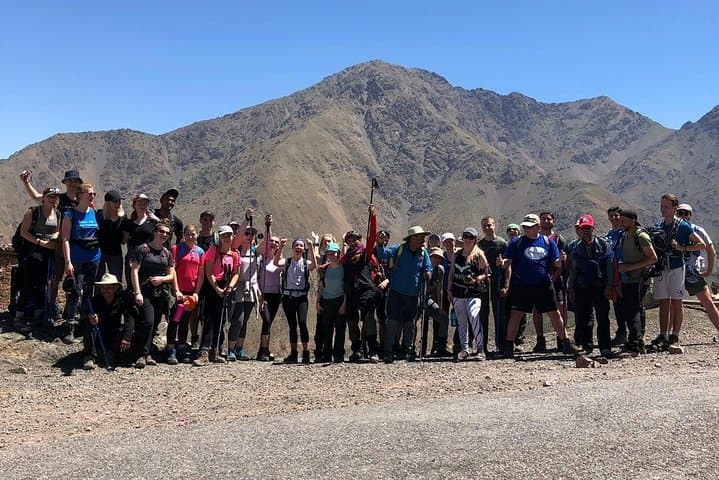
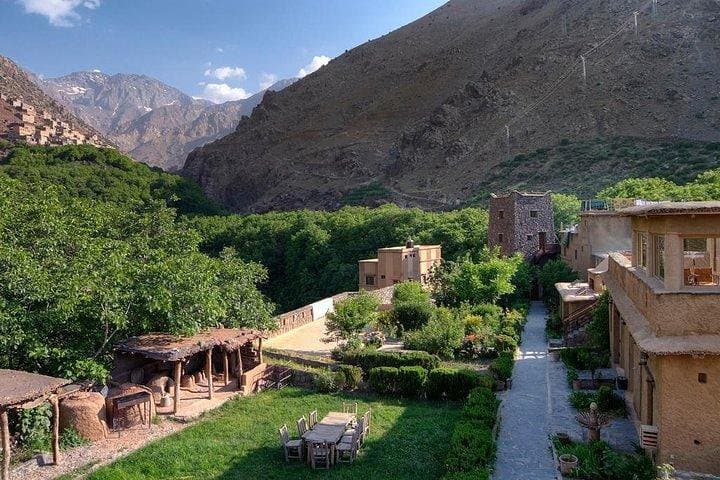
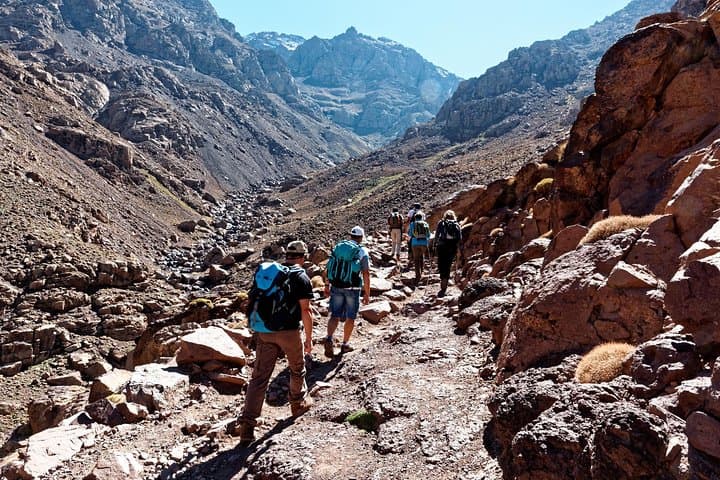
The route passes small Berber hamlets whose earthen houses and flat fields reflect centuries of mountain agriculture. Geologically the High Atlas is young and steep—folded sedimentary rock cut by seasonal streams—so trails alternate rocky shelves with well-worn dirt tracks. Jbel Toubkal (4,167 m) dominates the skyline; in winter its snowcap reads like a map of seasonal shifts in the range.
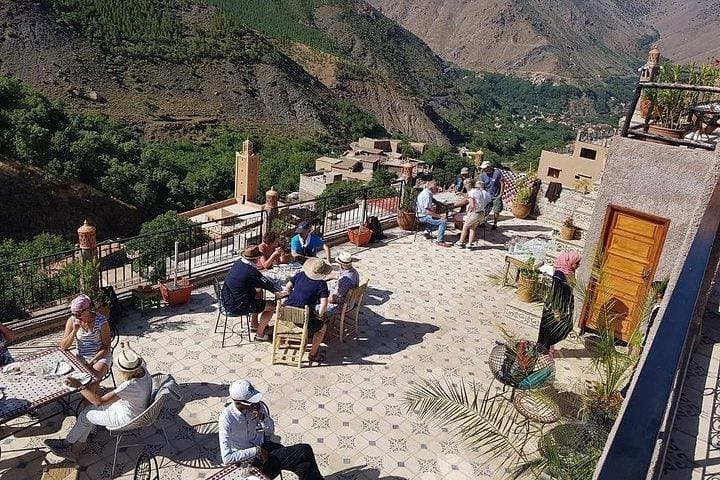
Culturally the walk is simple and social: shepherds, pack mules, and guesthouse cooks are part of the rhythm. Lunch at a local guesthouse gives a clear view into Mizane Valley life—tagines, warm mint tea, and carved wood beams.
Practical guidance: expect 1–1.5 hours uphill to Aremd on uneven terrain, then a relaxed 30-minute descent back to Imlil. Bring at least 1.5 liters of water, sturdy hiking shoes with grip for rocky sections, sun protection, and a lightweight layer for wind or sudden cool. Start mid-morning as the tour does—this times the light for photos and avoids the coldest morning hours higher up.
The experience is accessible to most active travelers: it’s an introduction to Atlas landscapes and Berber village life with clear logistics and a high return in scenery and culture.
moderate.
5 hours (including transfers).
Suitable for most active travelers who can handle 1–2 hours of uphill walking with short descents; basic stamina required.
Expect about 1–1.5 hours from Imlil to Aremd, lunch and viewpoint time, then a 30-minute return walk to Imlil; total door-to-door is roughly five hours including transfers.
Yes—guides describe the tour as accessible for most fitness levels, but children and older adults should be comfortable with uphill walking on uneven paths for up to 90 minutes.
Snow is common on Toubkal in winter and can be visible from the valley; valley trails at 1,700–1,900 m are less likely to be deeply snowbound but conditions vary.
Yes—traditional Berber lunch, hotel pickup and drop-off in Marrakech, an air-conditioned vehicle, and a local mountain guide are included in the tour package.
The Berber communities in the High Atlas have farmed terraced slopes for centuries; mule tracks and guesthouses preserve traditional mountain travel patterns.
Visitors should stick to established paths, avoid disturbing agricultural plots, and support local guesthouses to keep economic benefits in the valley.
Toubkal Guide operates guided outdoor trips and adventures with an emphasis on safety, stewardship, and memorable experiences.
Morning light slices across the Atlas ridges as a minivan pulls away from Marrakech and the road climbs toward Imlil. In less than 90 minutes the city’s heat gives way to a sharper air and a scattering of stone houses stacked on terraces; the trailhead sits at about 1,740 m and the route to Aremd rises another 150–200 m through mule tracks and irrigated terraces.
Morning light slices across the Atlas ridges as a minivan pulls away from Marrakech and the road climbs toward Imlil. In less than 90 minutes the city’s heat gives way to a sharper air and a scattering of stone houses stacked on terraces; the trailhead sits at about 1,740 m and the route to Aremd rises another 150–200 m through mule tracks and irrigated terraces.
The route passes small Berber hamlets whose earthen houses and flat fields reflect centuries of mountain agriculture. Geologically the High Atlas is young and steep—folded sedimentary rock cut by seasonal streams—so trails alternate rocky shelves with well-worn dirt tracks. Jbel Toubkal (4,167 m) dominates the skyline; in winter its snowcap reads like a map of seasonal shifts in the range.
Culturally the walk is simple and social: shepherds, pack mules, and guesthouse cooks are part of the rhythm. Lunch at a local guesthouse gives a clear view into Mizane Valley life—tagines, warm mint tea, and carved wood beams.
Practical guidance: expect 1–1.5 hours uphill to Aremd on uneven terrain, then a relaxed 30-minute descent back to Imlil. Bring at least 1.5 liters of water, sturdy hiking shoes with grip for rocky sections, sun protection, and a lightweight layer for wind or sudden cool. Start mid-morning as the tour does—this times the light for photos and avoids the coldest morning hours higher up.
The experience is accessible to most active travelers: it’s an introduction to Atlas landscapes and Berber village life with clear logistics and a high return in scenery and culture.