THE ADVENTURE COLLECTIVE® · Independent discovery and booking for outdoor travel

Escape Marrakech for a full-day trek into the High Atlas: hike through Imlil Valley to a refreshing waterfall, meet Berber hosts for a traditional lunch, and enjoy striking mountain vistas on a moderate 5-hour outing.
Escape Marrakech for a full-day trek into the High Atlas: hike through Imlil Valley to a refreshing waterfall, meet Berber hosts for a traditional lunch, and enjoy striking mountain vistas on a moderate 5-hour outing.
A morning drive out of Marrakech leaves the city’s ochre alleys behind and deposits walkers at the foot of the High Atlas, where the Imlil Valley opens like a gravel-throated corridor of chestnut and oak. The guide leads a compact group along mule tracks, past terraced fields and the sound of a stream that seems to dare you to follow it higher.
Verified experiences and guided adventures in the surrounding area.
Operated by Escape 2 Desert tours · Imlil, Marrakech-Safi
A morning drive out of Marrakech leaves the city’s ochre alleys behind and deposits walkers at the foot of the High Atlas, where the Imlil Valley opens like a gravel-throated corridor of chestnut and oak. The guide leads a compact group along mule tracks, past terraced fields and the sound of a stream that seems to dare you to follow it higher.
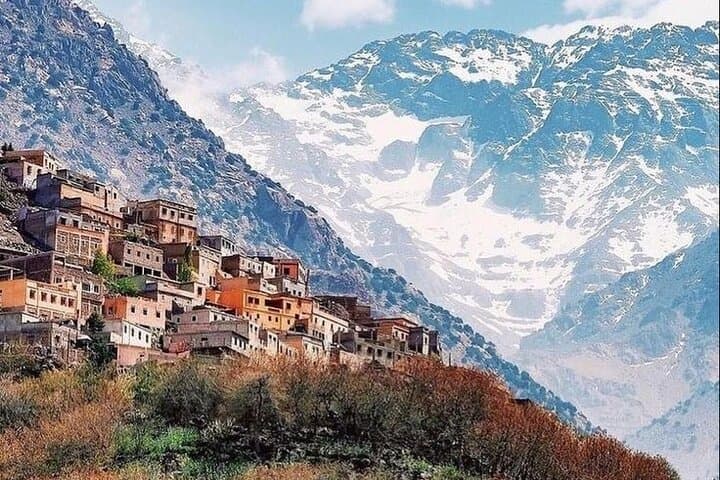
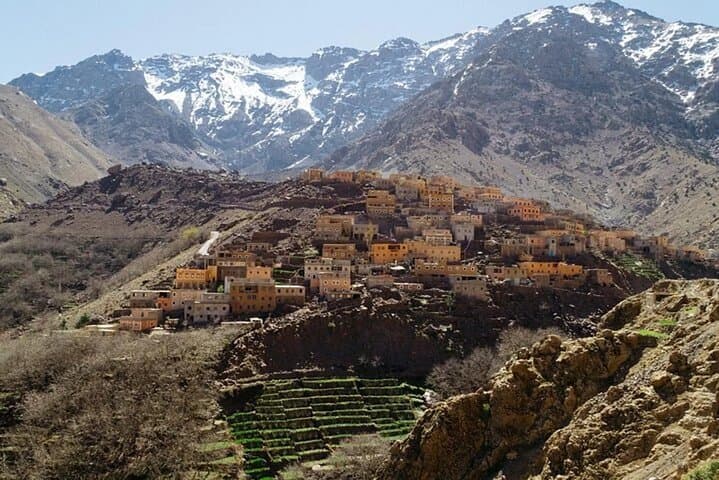
The route threads through Berber villages whose stone houses reflect centuries of mountain life; centuries of irrigation engineering and pastoral farming shaped the valley and fed routes to Jbel Toubkal, North Africa’s highest peak. The geology is visible underfoot — folded schist and volcanic outcrops that shed scree onto steeper pitches — and the culture is audible in the call to tea and the slow rhythm of midday work.
Hiking here is practical and tangible: short steep ascents, river crossings on rock slabs, a lookout with wide valley views, and a modest waterfall that serves as a cooling reward. Lunch is traditional Berber fare served in a local family’s home or small auberge — lamb, tagine, flatbread and mint tea — a direct bridge to local hospitality.
Practical details matter: expect roughly 4–6 hours of activity including transfers (the tour typically runs about 5 hours), moderate fitness requirements, and variable trail conditions after rain. Wear broken-in hiking shoes, bring sun protection and a light layer for changing mountain winds. Depart early from Marrakech to secure cooler hiking hours and better light for photos.
moderate.
5 hours.
Participants should be in regular, moderate shape: able to handle continuous walking and short steep sections with occasional carrying of small packs.
The guided hiking portion and stops typically total about 2–4 hours within the overall 5-hour tour including transfers.
Children and fit older adults can usually do the walk, but the tour requires moderate fitness and some uneven footing—check with the operator about specific mobility needs.
Traditional Berber lunches are included; inform booking staff of allergies or dietary needs in advance so hosts can adapt the meal where possible.
The cancellation policy allows changes; heavy rain can make trails slippery and guides may alter the route or cancel for safety—confirm before departure.
The villages around Imlil are predominantly Berber (Amazigh), with agricultural terraces and water channels that reflect centuries of mountain farming and trade routes to Toubkal.
Overuse and grazing pressure affect local vegetation and trails; stick to defined paths, avoid littering, and support local guides and family-run lunch stops to keep tourism benefits local.
Escape 2 Desert tours operates guided outdoor trips and adventures with an emphasis on safety, stewardship, and memorable experiences.
A morning drive out of Marrakech leaves the city’s ochre alleys behind and deposits walkers at the foot of the High Atlas, where the Imlil Valley opens like a gravel-throated corridor of chestnut and oak. The guide leads a compact group along mule tracks, past terraced fields and the sound of a stream that seems to dare you to follow it higher.
A morning drive out of Marrakech leaves the city’s ochre alleys behind and deposits walkers at the foot of the High Atlas, where the Imlil Valley opens like a gravel-throated corridor of chestnut and oak. The guide leads a compact group along mule tracks, past terraced fields and the sound of a stream that seems to dare you to follow it higher.
The route threads through Berber villages whose stone houses reflect centuries of mountain life; centuries of irrigation engineering and pastoral farming shaped the valley and fed routes to Jbel Toubkal, North Africa’s highest peak. The geology is visible underfoot — folded schist and volcanic outcrops that shed scree onto steeper pitches — and the culture is audible in the call to tea and the slow rhythm of midday work.
Hiking here is practical and tangible: short steep ascents, river crossings on rock slabs, a lookout with wide valley views, and a modest waterfall that serves as a cooling reward. Lunch is traditional Berber fare served in a local family’s home or small auberge — lamb, tagine, flatbread and mint tea — a direct bridge to local hospitality.
Practical details matter: expect roughly 4–6 hours of activity including transfers (the tour typically runs about 5 hours), moderate fitness requirements, and variable trail conditions after rain. Wear broken-in hiking shoes, bring sun protection and a light layer for changing mountain winds. Depart early from Marrakech to secure cooler hiking hours and better light for photos.