THE ADVENTURE COLLECTIVE® · Independent discovery and booking for outdoor travel

Escape Marrakech for a day in the High Atlas: a 2‑hour drive to Imlil, a 40‑minute mule ride to Aroumd, and a traditional Berber lunch with short valley walks. Practical, scenic, and steeped in local mountain life.
Escape Marrakech for a day in the High Atlas: a 2‑hour drive to Imlil, a 40‑minute mule ride to Aroumd, and a traditional Berber lunch with short valley walks. Practical, scenic, and steeped in local mountain life.
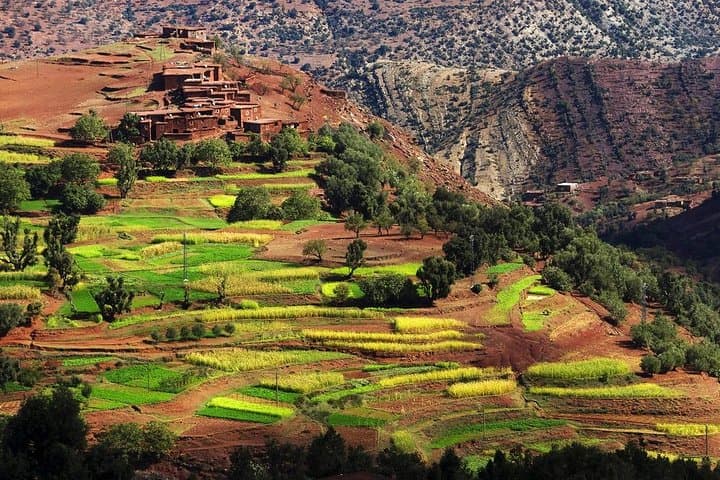
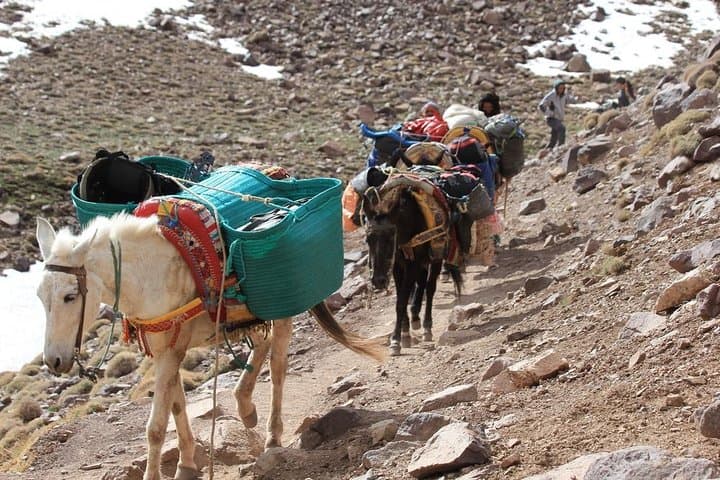
At first light you leave Marrakech behind and the city’s heat peels away as the road climbs toward the High Atlas. The drive through Moulay Brahim Gorge narrows, and soon the green thread of Imlil valley opens beneath snow-flecked ridgelines. Mules wait at the village edge; narrow tracks and the steady clack of hooves lead you up to Aroumd where olives and corn terraces slope toward a ribbon of stream.
Verified experiences and guided adventures in the surrounding area.
Operated by Time Out travel · Imlil, Marrakesh-Safi
At first light you leave Marrakech behind and the city’s heat peels away as the road climbs toward the High Atlas. The drive through Moulay Brahim Gorge narrows, and soon the green thread of Imlil valley opens beneath snow-flecked ridgelines. Mules wait at the village edge; narrow tracks and the steady clack of hooves lead you up to Aroumd where olives and corn terraces slope toward a ribbon of stream.
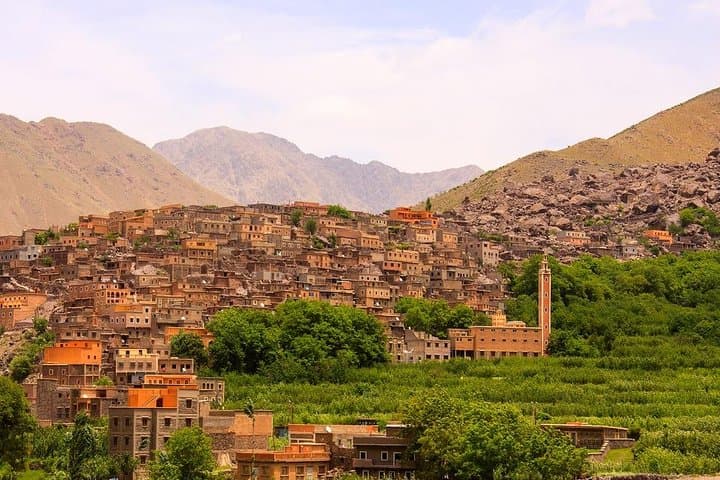
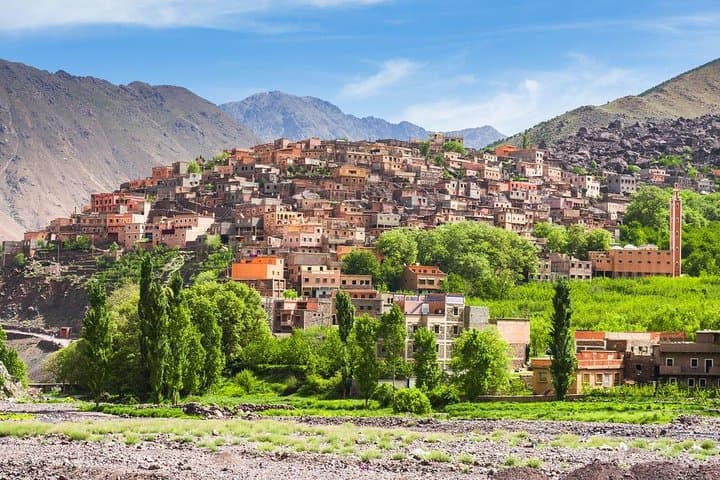
Geology here is blunt and honest: the High Atlas were shoved up when African and Eurasian plates collided, and Mount Toubkal — North Africa’s highest summit — still dominates the skyline at 4,167 m. The valley’s villages are Amazigh (Berber) communities with stone houses, terraced fields and irrigation channels that have shaped the land for centuries. Local guides and mule handlers maintain routes used for generations; lunch in a Berber house is as much cultural exchange as meal, with tagine, flatbread and mint tea.
Expect roughly nine hours from hotel pickup to return. Terrain is mixed: paved road to Imlil, then dirt tracks and stone steps on the mule trail with short, easy walks beside streams. Weather shifts fast at altitude; sun can be hot and evenings cool. Practical notes: bring at least 1.5–2 L water, comfortable ankle-supporting shoes even if you plan to ride, and small cash for tips and purchases. Ride cautiously — mules are sure-footed but steep sections demand balance. Time your visit outside midday heat for the clearest light and best walking. This day trip balances simple, sensory mountain travel with accessible culture and just enough trail to feel like you’ve left the city behind.
moderate.
9 hours.
Moderate fitness: able to walk 30–60 minutes on uneven ground and tolerate periods standing on a mule
Plan on roughly 1.5–2 hours each way depending on traffic and stops, via the road over the plains and through Moulay Brahim Gorge.
Yes; mules are managed by local handlers and the ride is short (~40 minutes), but anyone with balance concerns should notify the guide and opt to walk parts if needed.
Lunch at a Berber house is included; expect tagine-style dishes, fresh bread, salad, and mint tea with vegetarian options usually available.
Imlil and Aroumd sit around 1,800–1,850 m — mild altitude effects are possible; move slowly, stay hydrated, and avoid strenuous exertion if you feel unwell.
The Imlil valley is part of the Western High Atlas, long inhabited by Amazigh (Berber) communities that served as mule and guide hubs for Toubkal expeditions.
Water is scarce and trails are sensitive; stick to paths, avoid single‑use plastics, and tip local handlers who maintain routes.
Time Out travel operates guided outdoor trips and adventures with an emphasis on safety, stewardship, and memorable experiences.
At first light you leave Marrakech behind and the city’s heat peels away as the road climbs toward the High Atlas. The drive through Moulay Brahim Gorge narrows, and soon the green thread of Imlil valley opens beneath snow-flecked ridgelines. Mules wait at the village edge; narrow tracks and the steady clack of hooves lead you up to Aroumd where olives and corn terraces slope toward a ribbon of stream.
At first light you leave Marrakech behind and the city’s heat peels away as the road climbs toward the High Atlas. The drive through Moulay Brahim Gorge narrows, and soon the green thread of Imlil valley opens beneath snow-flecked ridgelines. Mules wait at the village edge; narrow tracks and the steady clack of hooves lead you up to Aroumd where olives and corn terraces slope toward a ribbon of stream.
Geology here is blunt and honest: the High Atlas were shoved up when African and Eurasian plates collided, and Mount Toubkal — North Africa’s highest summit — still dominates the skyline at 4,167 m. The valley’s villages are Amazigh (Berber) communities with stone houses, terraced fields and irrigation channels that have shaped the land for centuries. Local guides and mule handlers maintain routes used for generations; lunch in a Berber house is as much cultural exchange as meal, with tagine, flatbread and mint tea.
Expect roughly nine hours from hotel pickup to return. Terrain is mixed: paved road to Imlil, then dirt tracks and stone steps on the mule trail with short, easy walks beside streams. Weather shifts fast at altitude; sun can be hot and evenings cool. Practical notes: bring at least 1.5–2 L water, comfortable ankle-supporting shoes even if you plan to ride, and small cash for tips and purchases. Ride cautiously — mules are sure-footed but steep sections demand balance. Time your visit outside midday heat for the clearest light and best walking. This day trip balances simple, sensory mountain travel with accessible culture and just enough trail to feel like you’ve left the city behind.