THE ADVENTURE COLLECTIVE® · Independent discovery and booking for outdoor travel

Escape Marrakech for a full day in the High Atlas: hike through Aremd and the Riraya Valley, visit a Berber market (seasonal), and choose a mule ride for steeper sections. This accessible day trip blends culture, geology and steady mountain walking.
Escape Marrakech for a full day in the High Atlas: hike through Aremd and the Riraya Valley, visit a Berber market (seasonal), and choose a mule ride for steeper sections. This accessible day trip blends culture, geology and steady mountain walking.
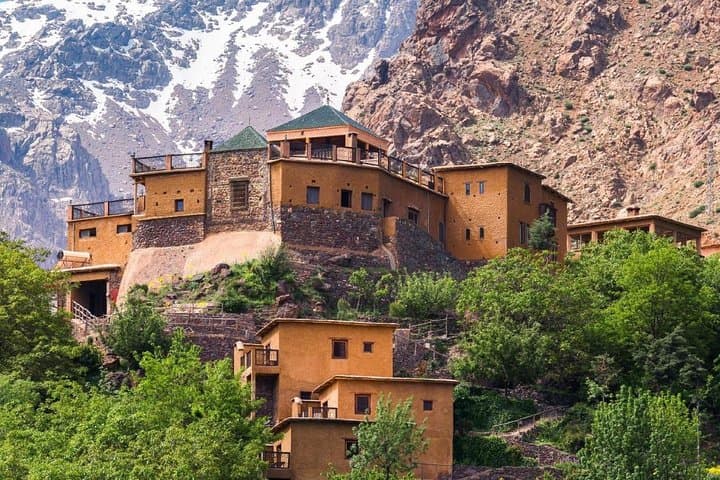
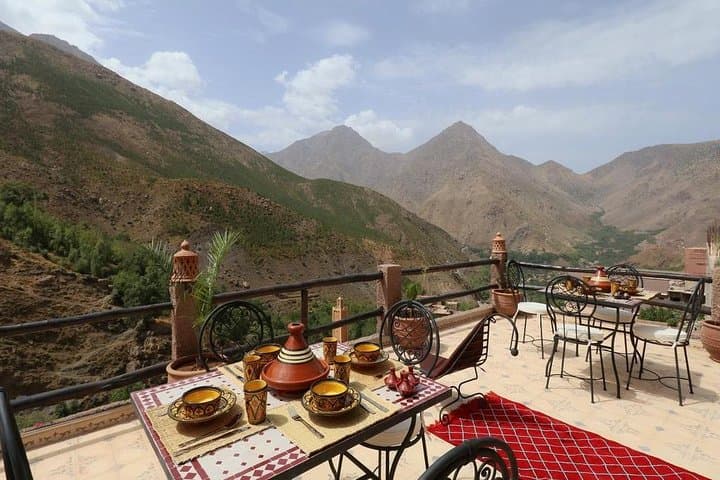
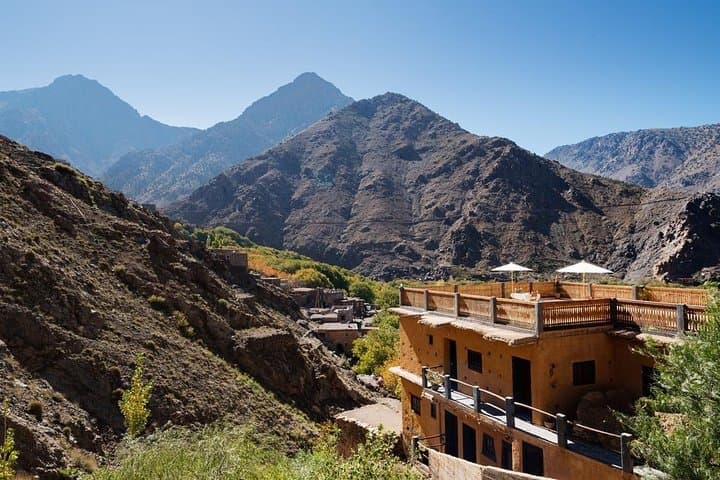
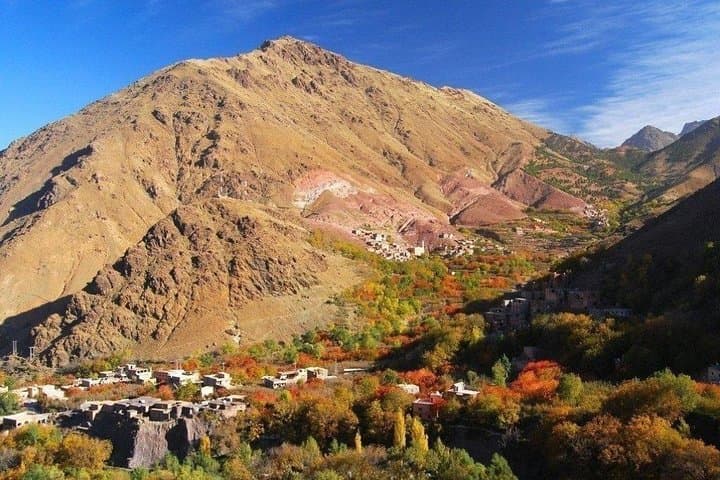
A dust-sweet minivan eases out of Marrakech and the Atlas range grows, block by block, until granite ridges and terraced fields fill the windshield. You arrive in Imlil with the scent of wood smoke in the air, a cluster of flat-roofed houses perched where the Riraya Valley begins to climb. Guides and mules wait; paths rise and fall like the breath of the mountains.
Verified experiences and guided adventures in the surrounding area.
Operated by Todo marruecos · Imlil, Marrakech-Safi
A dust-sweet minivan eases out of Marrakech and the Atlas range grows, block by block, until granite ridges and terraced fields fill the windshield. You arrive in Imlil with the scent of wood smoke in the air, a cluster of flat-roofed houses perched where the Riraya Valley begins to climb. Guides and mules wait; paths rise and fall like the breath of the mountains.
This day trip travels into the High Atlas, the same volcanic and metamorphic rock that builds North Africa’s highest peak, Jebel Toubkal (4,167 m). The route threads through Aremd and small Berber settlements where stone houses and irrigated orchards tell a history of mountain agriculture and trans-Saharan trade. On Saturdays the Asni market pulses with local life: walnuts, woven blankets, and farmers trading produce.
Trails are a mix of paved mule tracks and compact dirt paths with short, rocky sections and viewpoints over the Riraya Gorge. Expect mule rides as an option and moderate, steady walking at altitude—this is tactical trekking more than technical mountaineering. Look for local shepherd dogs, grazing goats, and the occasional lammergeier riding the thermals.
Practical guidance: start early to avoid heat and secure a local guide for navigation and cultural context. Bring layers for sharp temperature swings, sun protection, and at least 1.5–2 liters of water. Mule rides reduce steep climbs but wear ankle-supporting footwear for uneven stone and river crossings. The day trip is an accessible way to experience High Atlas life and landscapes without an overnight climb—efficient, immersive, and grounded in local rhythm.
moderate.
6–8 hours.
Moderate—comfortable walking ability, able to manage 400–700 m cumulative elevation change and short uphill sections.
The transfer is roughly 60–90 minutes each way depending on traffic and the exact pickup point in Marrakech.
The Asni market typically runs on Saturdays; the guide may adjust the itinerary if it coincides with your day but market visits are conditional.
Most operators allow mule rides for reasonable fitness levels, but riders should have basic balance; pregnant travelers and some medical conditions may be restricted—check with the operator.
A local guide is strongly recommended for navigation, cultural interpretation, and arranging mules; many tours include a Spanish-speaking driver and local guide.
The High Atlas have long been home to Amazigh (Berber) communities who managed terraced agriculture and caravan routes; villages here retain distinct language and craft traditions.
Increasing tourism brings income but also pressure on water and trails; stick to paths, avoid single-use plastics, and hire local guides to support community stewardship.
Todo marruecos operates guided outdoor trips and adventures with an emphasis on safety, stewardship, and memorable experiences.
A dust-sweet minivan eases out of Marrakech and the Atlas range grows, block by block, until granite ridges and terraced fields fill the windshield. You arrive in Imlil with the scent of wood smoke in the air, a cluster of flat-roofed houses perched where the Riraya Valley begins to climb. Guides and mules wait; paths rise and fall like the breath of the mountains.
A dust-sweet minivan eases out of Marrakech and the Atlas range grows, block by block, until granite ridges and terraced fields fill the windshield. You arrive in Imlil with the scent of wood smoke in the air, a cluster of flat-roofed houses perched where the Riraya Valley begins to climb. Guides and mules wait; paths rise and fall like the breath of the mountains.
This day trip travels into the High Atlas, the same volcanic and metamorphic rock that builds North Africa’s highest peak, Jebel Toubkal (4,167 m). The route threads through Aremd and small Berber settlements where stone houses and irrigated orchards tell a history of mountain agriculture and trans-Saharan trade. On Saturdays the Asni market pulses with local life: walnuts, woven blankets, and farmers trading produce.
Trails are a mix of paved mule tracks and compact dirt paths with short, rocky sections and viewpoints over the Riraya Gorge. Expect mule rides as an option and moderate, steady walking at altitude—this is tactical trekking more than technical mountaineering. Look for local shepherd dogs, grazing goats, and the occasional lammergeier riding the thermals.
Practical guidance: start early to avoid heat and secure a local guide for navigation and cultural context. Bring layers for sharp temperature swings, sun protection, and at least 1.5–2 liters of water. Mule rides reduce steep climbs but wear ankle-supporting footwear for uneven stone and river crossings. The day trip is an accessible way to experience High Atlas life and landscapes without an overnight climb—efficient, immersive, and grounded in local rhythm.