THE ADVENTURE COLLECTIVE® · Independent discovery and booking for outdoor travel

Leave Marrakech for a full day in the High Atlas: easy guided hikes through walnut orchards, a homemade Berber lunch in a guesthouse, and a short mule ride across classic mountain trails. Expect culture, scenery, and approachable mountain walking.
Leave Marrakech for a full day in the High Atlas: easy guided hikes through walnut orchards, a homemade Berber lunch in a guesthouse, and a short mule ride across classic mountain trails. Expect culture, scenery, and approachable mountain walking.
Morning light cuts across the High Atlas as a convoy of vehicles leaves Marrakech’s ochre skyline behind. By the time the road narrows and walnut trees crowd the window, the foothills have already changed the day’s rhythm: slower, cooler, more textured. In Imlil the air smells of baking bread and wood smoke; guides meet guests and lead a walk into terraced fields where water channels murmur past stone houses.
Verified experiences and guided adventures in the surrounding area.
Operated by Atlas Discovery Tours · Imlil, Marrakech-Safi
Morning light cuts across the High Atlas as a convoy of vehicles leaves Marrakech’s ochre skyline behind. By the time the road narrows and walnut trees crowd the window, the foothills have already changed the day’s rhythm: slower, cooler, more textured. In Imlil the air smells of baking bread and wood smoke; guides meet guests and lead a walk into terraced fields where water channels murmur past stone houses.
The valley sits on the southern flank of Jebel Toubkal, Morocco’s highest peak, formed by tectonic uplift and erosion that sculpted steep gullies and broad terraces. The people here are Amazigh (Berber), with centuries-old farming and shepherding traditions that shaped the stepped fields and irrigation lines guests pass on a two-hour guided hike.
Visits center on living culture: a home-cooked tagine in a family guesthouse, conversations over mint tea, and a short mule ride along narrow mountain trails that remain practical transport as well as tourism draw. Expect clear mountain vistas, walnut orchards, and the low thrum of village life.
Practical guidance: the full-day schedule runs about 7–9 hours with mostly easy walking on uneven, sometimes steep paths. Wear sturdy shoes, carry 1–1.5 liters of water, and layer for variable mountain sun and shade. Respect private homes and photography requests. If you want quieter trails, request earlier start times or ask to extend the hike toward Aroumd. Local guides are invaluable for translating, interpreting landscape features, and managing the mule transfer — tip them for good service.
easy.
7–9 hours.
Suitable for casual hikers and travelers in reasonable health; expect several hours on uneven ground and short uphill sections
The drive takes about 60–90 minutes each way depending on traffic and exact pickup location.
The 30-minute mule ride follows mountain trails; it may be uncomfortable for those with severe mobility issues — discuss alternatives with the operator.
A homemade Berber lunch at a guesthouse is included; dietary requests should be communicated at booking time.
Yes — the itinerary notes infant seats available and the day is described as suitable for all fitness levels, but supervision on trails and mules is advised.
Amazigh (Berber) communities have farmed these terraces for generations; the valley’s stone architecture and irrigation reflect long-standing mountain agriculture.
Stick to established trails, support local guesthouses, and follow guide advice to limit erosion and respect water resources essential to mountain communities.
Atlas Discovery Tours operates guided outdoor trips and adventures with an emphasis on safety, stewardship, and memorable experiences.

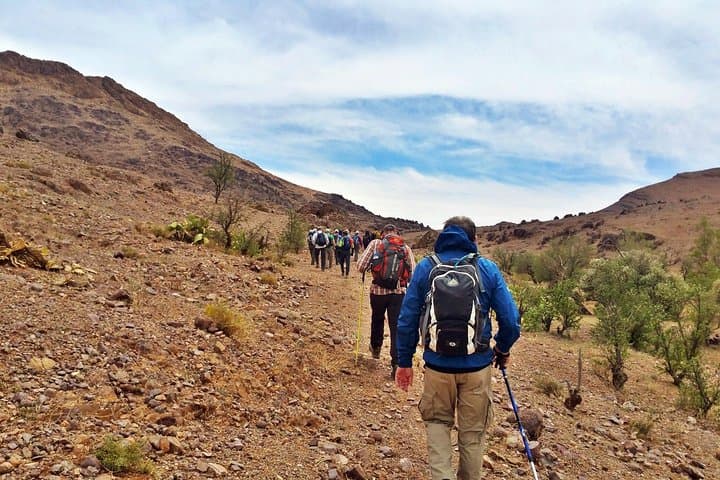


Morning light cuts across the High Atlas as a convoy of vehicles leaves Marrakech’s ochre skyline behind. By the time the road narrows and walnut trees crowd the window, the foothills have already changed the day’s rhythm: slower, cooler, more textured. In Imlil the air smells of baking bread and wood smoke; guides meet guests and lead a walk into terraced fields where water channels murmur past stone houses.
Morning light cuts across the High Atlas as a convoy of vehicles leaves Marrakech’s ochre skyline behind. By the time the road narrows and walnut trees crowd the window, the foothills have already changed the day’s rhythm: slower, cooler, more textured. In Imlil the air smells of baking bread and wood smoke; guides meet guests and lead a walk into terraced fields where water channels murmur past stone houses.
The valley sits on the southern flank of Jebel Toubkal, Morocco’s highest peak, formed by tectonic uplift and erosion that sculpted steep gullies and broad terraces. The people here are Amazigh (Berber), with centuries-old farming and shepherding traditions that shaped the stepped fields and irrigation lines guests pass on a two-hour guided hike.
Visits center on living culture: a home-cooked tagine in a family guesthouse, conversations over mint tea, and a short mule ride along narrow mountain trails that remain practical transport as well as tourism draw. Expect clear mountain vistas, walnut orchards, and the low thrum of village life.
Practical guidance: the full-day schedule runs about 7–9 hours with mostly easy walking on uneven, sometimes steep paths. Wear sturdy shoes, carry 1–1.5 liters of water, and layer for variable mountain sun and shade. Respect private homes and photography requests. If you want quieter trails, request earlier start times or ask to extend the hike toward Aroumd. Local guides are invaluable for translating, interpreting landscape features, and managing the mule transfer — tip them for good service.