THE ADVENTURE COLLECTIVE® · Independent discovery and booking for outdoor travel

Escape Marrakech for a day and climb into the High Atlas to Imlil—choose a mule ride or a 1–1.5 hour guided hike, share a traditional lunch with a local family, and experience Berber mountain life framed by dramatic valley views.
Escape Marrakech for a day and climb into the High Atlas to Imlil—choose a mule ride or a 1–1.5 hour guided hike, share a traditional lunch with a local family, and experience Berber mountain life framed by dramatic valley views.
Drive out of Marrakech as the city’s heat thins into stony foothills and the road starts to climb toward the High Atlas. The valley opens before you—steep terraces, a braided stream that seems to dare you to follow it uphill, and the small cluster of Imlil (1,740 m) where mule tracks and footpaths thread between stone houses.
Verified experiences and guided adventures in the surrounding area.
Operated by morocco travel holidays · Imlil, Marrakech-Safi
Drive out of Marrakech as the city’s heat thins into stony foothills and the road starts to climb toward the High Atlas. The valley opens before you—steep terraces, a braided stream that seems to dare you to follow it uphill, and the small cluster of Imlil (1,740 m) where mule tracks and footpaths thread between stone houses.
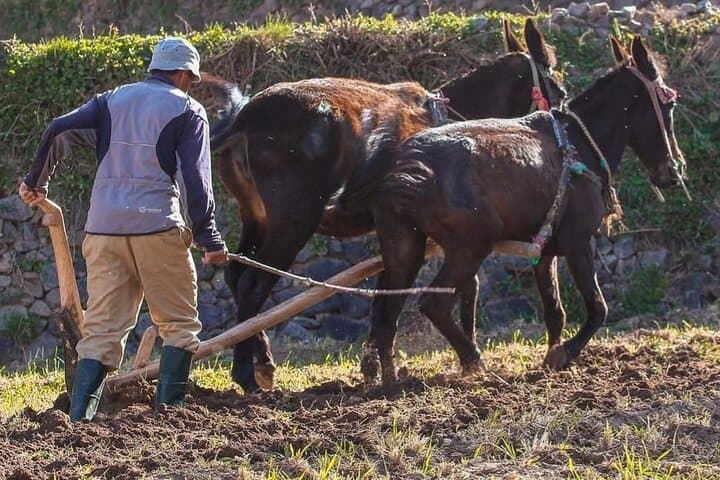
Imlil sits at the lower reaches of the Toubkal massif; its landscape is younger geology than the Sahara sands, shaped by glacial and fluvial forces that carved narrow valleys and exposed slate and schist ridgelines. The people here are predominantly Berber (Amazigh), with a long tradition of terrace farming, pastoralism, and hospitality. Guesthouses and family-run kitchens serve simple, high-flavor meals—tagines and flatbreads—that reflect mountain-grown produce and communal cooking.
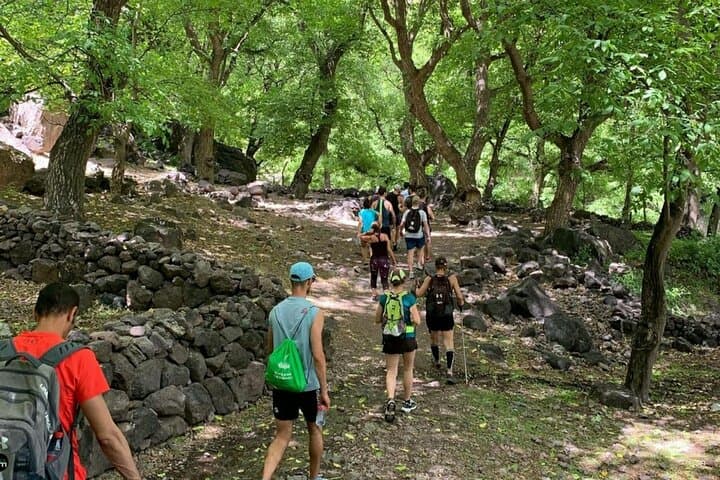
On this day trip visitors usually choose between a short guided hike (about 1–1.5 hours) on well-worn tracks or a mule ride that follows the same routes. The terrain alternates packed dirt trails, low scree, and paved village lanes, with elevations that reward with views back toward Marrakech and up toward Toubkal’s higher slopes. Photographers will find dramatic light in the afternoon; hikers should note the altitude and variable weather.
Practical guidance: leave Marrakech early to avoid midday traffic, bring at least 1.5–2 L of water, wear sturdy footwear and layers, and budget time after lunch for a relaxed stroll or photos. Respect local customs—ask before photographing people—and tip guides and mule handlers for good service. This is a compact mountain day that pairs culture with an easy mountain walk.
moderate.
7–8 hours.
Suitable for travelers in average shape; expect short climbs and walking on uneven ground at higher elevation.
The guided walk offered on the tour is typically 1 to 1.5 hours each way for a short circuit; the full excursion including transport and lunch makes the day 7–8 hours.
Yes—mule rides are offered on the same trails and are a traditional way to navigate the valley; inform the operator ahead if you prefer riding.
Lunch with a local family or guesthouse is usually included; expect a traditional Moroccan meal such as tagine, bread, salad, and mint tea, with vegetarian options often available on request.
Altitude at Imlil (around 1,740 m) can make exertion feel harder; the itinerary is family-friendly but those with cardiovascular concerns should consult a doctor and pace themselves.
Imlil has long been a mountain gateway for Berber communities and for early ascents of Toubkal; terraces and stone houses reflect centuries of mountain agriculture.
Tourism supports local livelihoods but increases pressure on water and waste systems; choose operators who follow leave-no-trace practices and support local guesthouses.
morocco travel holidays operates guided outdoor trips and adventures with an emphasis on safety, stewardship, and memorable experiences.
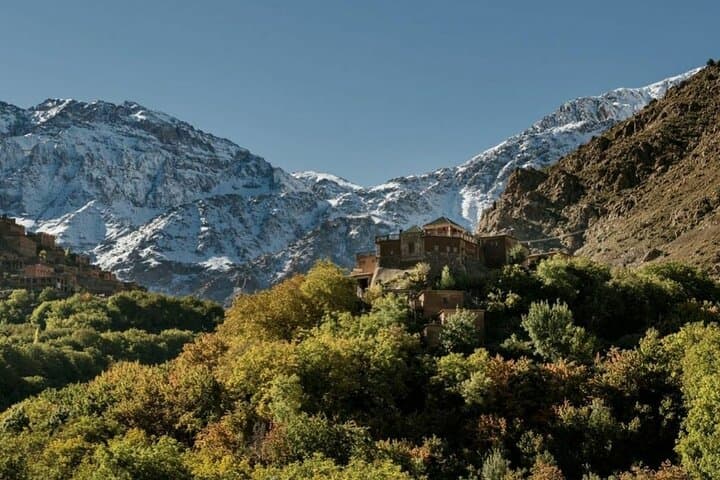
Drive out of Marrakech as the city’s heat thins into stony foothills and the road starts to climb toward the High Atlas. The valley opens before you—steep terraces, a braided stream that seems to dare you to follow it uphill, and the small cluster of Imlil (1,740 m) where mule tracks and footpaths thread between stone houses.
Drive out of Marrakech as the city’s heat thins into stony foothills and the road starts to climb toward the High Atlas. The valley opens before you—steep terraces, a braided stream that seems to dare you to follow it uphill, and the small cluster of Imlil (1,740 m) where mule tracks and footpaths thread between stone houses.
Imlil sits at the lower reaches of the Toubkal massif; its landscape is younger geology than the Sahara sands, shaped by glacial and fluvial forces that carved narrow valleys and exposed slate and schist ridgelines. The people here are predominantly Berber (Amazigh), with a long tradition of terrace farming, pastoralism, and hospitality. Guesthouses and family-run kitchens serve simple, high-flavor meals—tagines and flatbreads—that reflect mountain-grown produce and communal cooking.
On this day trip visitors usually choose between a short guided hike (about 1–1.5 hours) on well-worn tracks or a mule ride that follows the same routes. The terrain alternates packed dirt trails, low scree, and paved village lanes, with elevations that reward with views back toward Marrakech and up toward Toubkal’s higher slopes. Photographers will find dramatic light in the afternoon; hikers should note the altitude and variable weather.
Practical guidance: leave Marrakech early to avoid midday traffic, bring at least 1.5–2 L of water, wear sturdy footwear and layers, and budget time after lunch for a relaxed stroll or photos. Respect local customs—ask before photographing people—and tip guides and mule handlers for good service. This is a compact mountain day that pairs culture with an easy mountain walk.