THE ADVENTURE COLLECTIVE® · Independent discovery and booking for outdoor travel

Spend a day rising from Marrakech into the High Atlas: mule tracks, terraced orchards, a Berber family lunch and close-up views of Toubkal. This accessible Imlil Valley trip blends short hikes and cultural stops for a complete mountain day.
Spend a day rising from Marrakech into the High Atlas: mule tracks, terraced orchards, a Berber family lunch and close-up views of Toubkal. This accessible Imlil Valley trip blends short hikes and cultural stops for a complete mountain day.
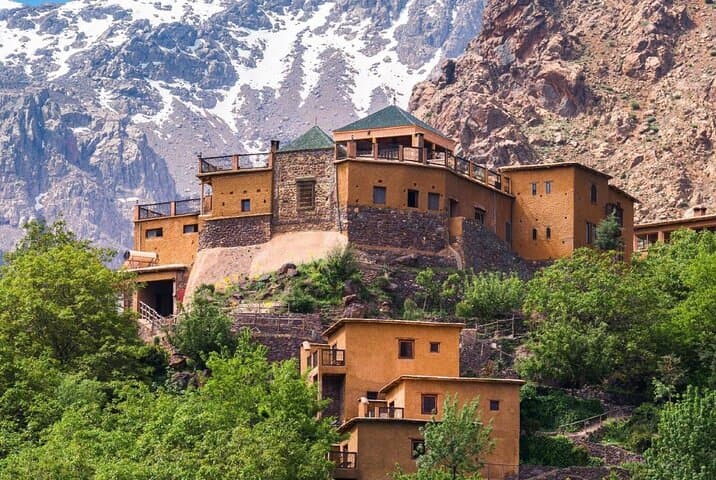
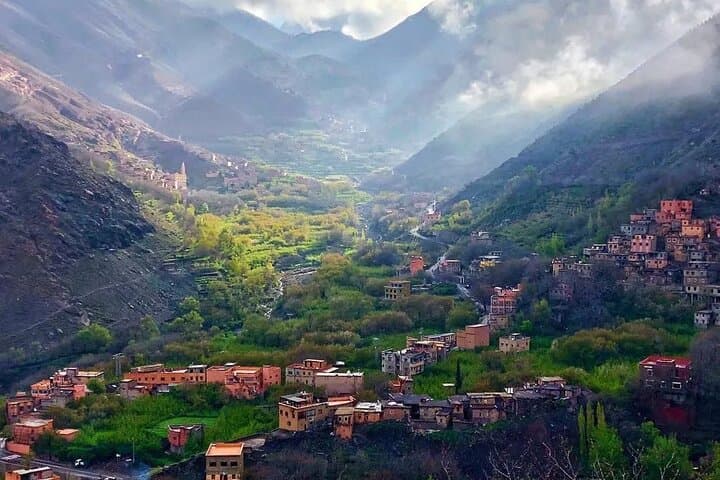
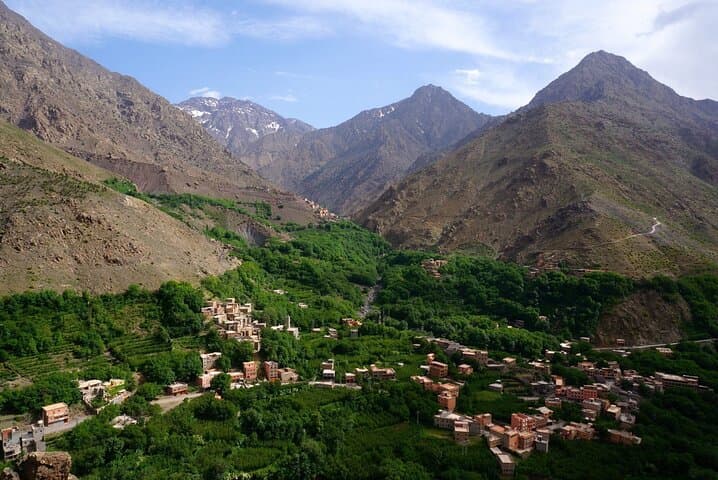
A late-morning minivan leaves Marrakech and the light sharpens as the city gives way to scrub and terraced fields. By the time you arrive in Imlil — a high-Atlas cluster of stone houses and narrow alleys — the air tastes of mint tea and cold mountain wind. A local guide greets you, and the valley stretches upward: walnut trees, irrigated terraces, and a distant, snow-capped Toubkal that seems to move closer with every step.
Verified experiences and guided adventures in the surrounding area.
Operated by red city travel · Imlil, Marrakech-Safi
A late-morning minivan leaves Marrakech and the light sharpens as the city gives way to scrub and terraced fields. By the time you arrive in Imlil — a high-Atlas cluster of stone houses and narrow alleys — the air tastes of mint tea and cold mountain wind. A local guide greets you, and the valley stretches upward: walnut trees, irrigated terraces, and a distant, snow-capped Toubkal that seems to move closer with every step.
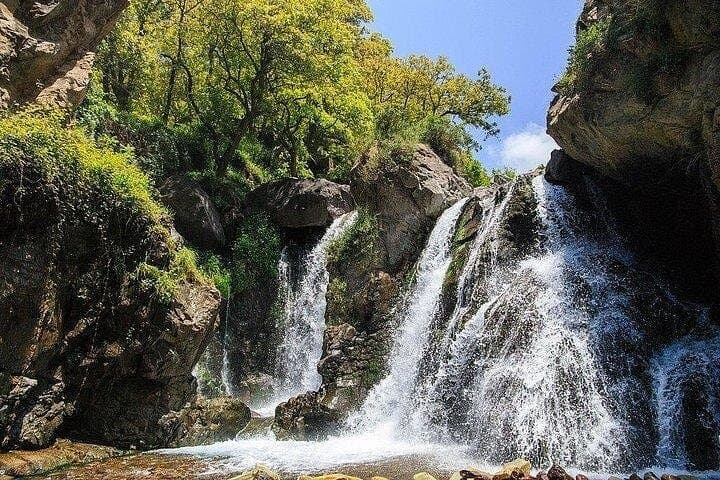
The High Atlas is young, folded rock pushed up by tectonics; villages here follow ancient irrigation routes and Berber agricultural patterns that predate modern Marrakech. You’ll pass Moulay Brahim Gorges and Asni marketland, cross a cascading stream, and may visit a small waterfall before climbing to a higher village near 1,900 m. Culture is tactile — mules, guesthouse kitchens, and a shared lunch with a Berber family offering simple, hearty fare and an unobstructed view of North Africa’s highest peak.
Expect a mix of flat valley walking, short steep sections, and optional mule or camel rides. The day covers 7–8 hours with frequent stops for photos and tea. Trails are rocky in places and can be muddy after rain; good walking shoes and layers are non-negotiable. Hydrate for the altitude, move deliberately on descents, and allow time to sit and watch local life: shepherds, birds of prey circling, children tending orchards. Return to Marrakech in the evening with a clearer sense of Atlas geology, Berber hospitality, and why this valley still feels like a frontier a short drive from the city.
moderate.
7–8 hours.
Moderate fitness: able to walk 7–10 km with some elevation change and short steep sections.
The transfer takes roughly 1–1.5 hours each way depending on traffic and the exact pickup location in Marrakech.
Children can participate if used to walking; company policy requires children be accompanied by an adult and some sections may be steep for very young kids.
Yes — the program offers optional mule rides and a camel ride in the valley for those who prefer less walking.
Tipping is customary: a modest tip for the guide and an appreciation gesture for the host family meal are appropriate if service was good.
Imlil’s villages follow centuries-old Berber routes into the High Atlas and serve as traditional bases for ascents of Toubkal; irrigation terraces reflect long-established mountain agriculture.
The High Atlas is ecologically fragile—stay on trails, avoid single-use plastics, and respect grazing patterns to reduce erosion and water stress.
red city travel operates guided outdoor trips and adventures with an emphasis on safety, stewardship, and memorable experiences.
A late-morning minivan leaves Marrakech and the light sharpens as the city gives way to scrub and terraced fields. By the time you arrive in Imlil — a high-Atlas cluster of stone houses and narrow alleys — the air tastes of mint tea and cold mountain wind. A local guide greets you, and the valley stretches upward: walnut trees, irrigated terraces, and a distant, snow-capped Toubkal that seems to move closer with every step.
A late-morning minivan leaves Marrakech and the light sharpens as the city gives way to scrub and terraced fields. By the time you arrive in Imlil — a high-Atlas cluster of stone houses and narrow alleys — the air tastes of mint tea and cold mountain wind. A local guide greets you, and the valley stretches upward: walnut trees, irrigated terraces, and a distant, snow-capped Toubkal that seems to move closer with every step.
The High Atlas is young, folded rock pushed up by tectonics; villages here follow ancient irrigation routes and Berber agricultural patterns that predate modern Marrakech. You’ll pass Moulay Brahim Gorges and Asni marketland, cross a cascading stream, and may visit a small waterfall before climbing to a higher village near 1,900 m. Culture is tactile — mules, guesthouse kitchens, and a shared lunch with a Berber family offering simple, hearty fare and an unobstructed view of North Africa’s highest peak.
Expect a mix of flat valley walking, short steep sections, and optional mule or camel rides. The day covers 7–8 hours with frequent stops for photos and tea. Trails are rocky in places and can be muddy after rain; good walking shoes and layers are non-negotiable. Hydrate for the altitude, move deliberately on descents, and allow time to sit and watch local life: shepherds, birds of prey circling, children tending orchards. Return to Marrakech in the evening with a clearer sense of Atlas geology, Berber hospitality, and why this valley still feels like a frontier a short drive from the city.